If you have found a vacation rental in Emilia-Romagna and you are a foodie, you’re in luck as there are lots of delicious local treats, eateries, products, and more to get acquainted with over the course of your stay in the area. However, if you are seriously into food and you are looking for a rather unique foodie experience in Italy then you might want to head 20 minutes out of Bologna to FICO Eataly World, a food theme park located just outside of town on a 20-acre plot that was previously home to a fruit and vegetables market.
None of this, however, has to be simply passive. This is a theme park and there are various “rides” involved. Attend one of the 30 events or 50 classes per day that are held in various classrooms, theatres and learning facilities dotted around the park, ride around on three-wheeler bikes specially designed for the park by the Italian bicycle company Bianchi to explore the grounds, meet and pet the animals in their pens, take the mini train around, watch dogs go truffle hunting, go on a guided tour with one of the park’s “biodiversity ambassadors”, sample products, and much more besides. There is lots to do!
20
Sep
2019
2019
Posted in: Activities
Campania
Food and Wine
Products & Specialities
Southern Italy
Tours
Wineries & Breweries
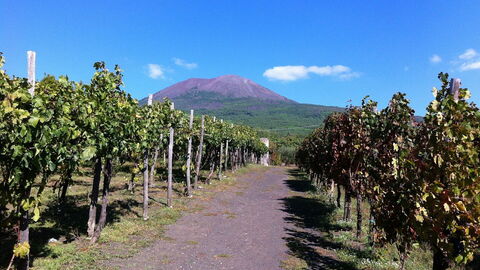
When you think of Mount Vesuvius, it is probably images of the destruction of the ancient city of Pompeii or of legions of tourists going to observe the famous volcano for themselves. You are less likely to immediately picture wine and, yet, that is one of the things you are very likely to encounter as, at the base of the volcano, there are famous vineyards, that stretch part-way up the slopes and produce wines that have been consumed since the fifth century BC. So, if you’re interested in wine, the history of wine, and unique wines, in particular, then you need to make sure you experience this rather special variety when you plan your vacation in Campania.
Lacryma Christi, also known as Lachryma Christi of Vesuvius, is the name of this celebrated Neapolitan type of wine made on the slopes of Mount Vesuvius. Literally meaning, "tears of Christ," the wine type dates back to even before the time of Jesus, to the fifth century BC, when Greek settlers first came to the area and planted Italy’s very first vineyards, as noted by Aristotle who recorded that the ancient people of Thessaly in Magna Grecia planted the first vineyards on Mount Vesuvius' slopes. After the Greeks came the Romans, who named the area, “Campania Felix,” (or “fertile countryside,” from which the region’s modern-day name of Campania derives) and spread the legend that Bacchus wept tears of joy upon seeing such a beautiful land, which caused vines to flourish in the landscape. Roman poet Martial wrote, "Bacchus loved these hills more than his native hills of Nisa". As is often the case, this story was later Christianised and medieval wine-making monks swapped out Bacchus for Christ and motivated his fertile tears with a tale of the sorrow the Son of God felt over Lucifer's fall from heaven. Lucifer was also said to have taken a little piece of heaven with him when he fell, further imbuing magic and blessings into the soils of the area.
6
Sep
2019
2019
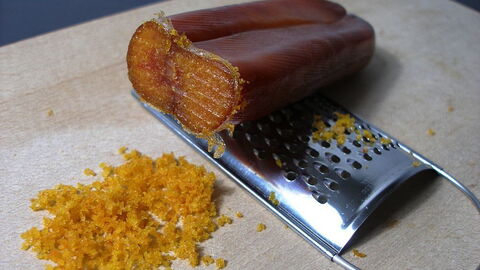
Italy is home to lots of unique culinary delicacies and specialities. Many are familiar to most people around the world and are readily available abroad but there are some that are somewhat lesser-known gems yet to be discovered by a wider international audience. One such item is bottarga, known as “Mediterranean caviar,” or as the “truffle of the sea”, which is made of salted, cured fish roe, typically of the grey mullet or the bluefin tuna. While similar products are actually made in Japan, Korea, and Egypt, the Italian iteration, with which we are concerned today comes from Sardinia but is also made in Sicily and Calabria. It is rather expensive and harder to source abroad so it is best to try as a treat during your travels if you have found a vacation rental in Sardinia, a holiday rental in Sicily, or a rental in Calabria.
15
Aug
2019
2019
The world is full of food markets but one of the headiest and most appealing to foodies has to be Palermo's incredible Mercato di Ballarò or Ballarò Market. If you have found a vacation rental in Sicily and are looking for somewhere to get the freshest and best-quality food products, to sample local street foods, and to immerse yourself in Sicilian food culture, then the Mercato di Ballarò is absolutely and undoubtedly a must. Pencil it into your travel itinerary and make sure to leave plenty of space in your stomach before heading out to experience it all for yourself.
According to a 10th -century Arab writer's travel diary, Ballarò Market is the oldest food market in Palermo and the very fact that it was being noted as being a fixture of the city all the way back in the 10th century is astounding and showcases just how steeped in local history and culture it is. Held in Albergheria, one of the four Norman quarters of the capital city of Sicily, it is one of four traditional markets, with each quarter having one of its own. The markets of Ballarò, Vucciria, and Capo are the most famous and popular among both locals and tourists, with the Mercato di Ballarò being the most popular and well-known of all.
The historic markets in Palermo feel a lot like the medinas of Marrakech or Cairo, which makes sense as Sicily was once under Arab rule and many remainders and reminders of this time still flavour the island and Palermo, in particular, from the architecture to the food to the language. This is one of the aspects of Sicilian life in which Arab traditions and culture feel the most alive and best-preserved in the Italy of today. As such, they also offer a rather unique cultural and culinary experience in Italy and really are a must-see.
According to a 10th -century Arab writer's travel diary, Ballarò Market is the oldest food market in Palermo and the very fact that it was being noted as being a fixture of the city all the way back in the 10th century is astounding and showcases just how steeped in local history and culture it is. Held in Albergheria, one of the four Norman quarters of the capital city of Sicily, it is one of four traditional markets, with each quarter having one of its own. The markets of Ballarò, Vucciria, and Capo are the most famous and popular among both locals and tourists, with the Mercato di Ballarò being the most popular and well-known of all.
The historic markets in Palermo feel a lot like the medinas of Marrakech or Cairo, which makes sense as Sicily was once under Arab rule and many remainders and reminders of this time still flavour the island and Palermo, in particular, from the architecture to the food to the language. This is one of the aspects of Sicilian life in which Arab traditions and culture feel the most alive and best-preserved in the Italy of today. As such, they also offer a rather unique cultural and culinary experience in Italy and really are a must-see.
Posted in: Activities
Curiosities
Food and Wine
Localities
Milan
Must See Attractions
Restaurants & Cafés
Shopping
Milan is one of the most impressive fashion capitals in Italy and in the world with a long and lauded sartorial history, plenty of incredible boutiques, headquarters and flagship stores of many of the world’s most famous designer labels, designer cafés, restaurants, and bars, fashion museums, ample opportunity for stylish people-watching, and so much more besides. However, as more and more of the clothing market turns to vintage and resale in a bid to make the industry much more sustainable, savvy and stylish travellers who have found a vacation rental in Milan might be looking for some of the best places to shop for clothes in search of a new home. As such, we have compiled a list of just five of the must-see vintage stores in Milan in order to kick off your trip to this fashion fanatics’ dream holiday destination. Read on, get shopping, and go green.