Majella National Park
Posted in: Abruzzo Central Italy Parks & Gardens Tourist Attractions
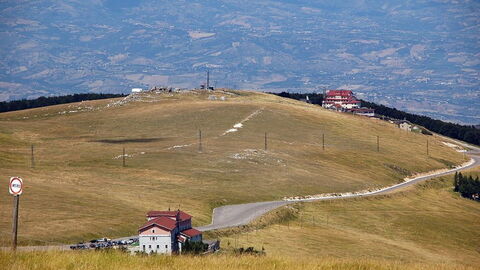
Maiella (or Majella) National Park is located across Chieti, L’Aquila and Abruzzo and is a mountainous nature reserve centered around the Maiella calcareous massif.

The vast park is composed of 9 nature reserves: Monte Rotondo Nature Reserve, Bosco di S. Antonio, Quarto Santa Chiara, Majella Orientale, Fara San Martino Palombaro, Feudo Ugni, Piana Grande della Majelletta, Valle dell’Orfento and Lama Bianca di Sant’Eufemia a Maiella. It is unique area of incredible wilderness that is populated by stunning views and an unbelievably rich wildlife and variation of vegetation.

Just find a holiday rental in Chieti, a villa in L'Aquila or a vacation rental in Abruzzo and explore this natural gem for yourself. You'll need to see it to believe your eyes!
Sistine Chapel
Posted in: Central Italy Churches & Religious Buildings Florence History Latium Localities Museums & Galleries Renaissance Tourist Attractions
Michelangelo is one of the most famous artists in the western world, as has been the case since early on his career and will probably always be true. Born in the fifteenth century, he was a Florentine sculptor, painter, poet, architect and engineer who was prodigiously talented and the true definition of a Renaissance man. His work is now scattered across the globe but Florence and Rome remain the best places to see it.

If you are an art lover or a Michelangelo fan, in particular, be sure to find a holiday rental in Rome or luxury villa in Florence or both and track down some of his greatest works. We have gathered a list of some of them to help you out.

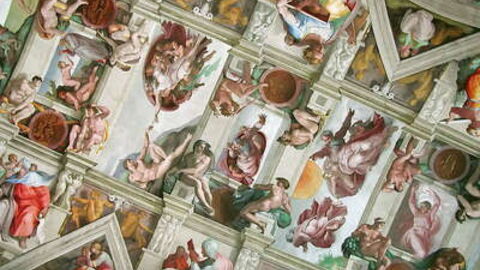
There are certain works that are must-sees, that are worth the lines and waiting. The Sistine Chapel, perhaps Michelangelo's most famous project, is one of these. It was completed under the patronage of three different popes and two bouts of painting over a total of ten years.
Montecristo Island
Posted in: Architectural Gems Beaches Livorno Localities Tourist Attractions Tuscan Coast
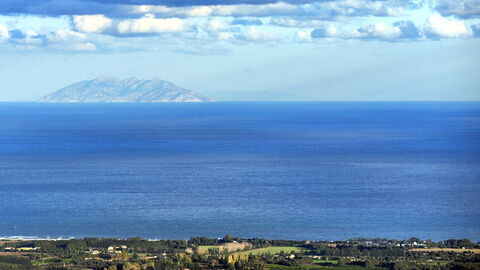
The name “Montecristo” probably immediately brings to mind The Count of Monte Cristo, the adventure novel by French author Alexandre Dumas that was released in 1844 and is one of the author's most popular and famous works, along with The Three Musketeers.

The story takes place in France, Italy, and islands in the Mediterranean during the historical events of 1815–1839 and centres around a man who is wrongfully imprisoned and later gets revenge.

It is considered an indisputable literary classic today and has been directly adapted to film, television and stage, as well being the inspiration for many similar tales of revenge and is the precursor to a long history of such tales over the years.
Venus of Urbino
Posted in: Central Italy Florence History Localities Museums & Galleries Renaissance Tourist Attractions Tuscany
The Uffizi Gallery, or Galleria degli Uffizi, in Piazza della Signoria is one of the oldest and most famous art museums in Europe and the world. Originally begun under Vasari for Cosimo I de' Medici in 1560, its name comes from the Italian word for “offices”, as that is what the building was intended to house when it was first constructed.
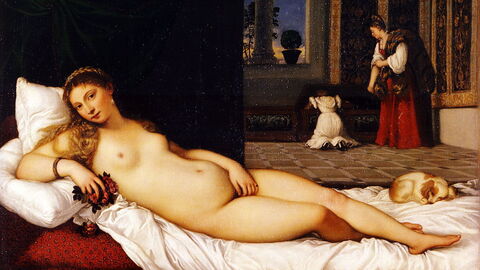
More and more space was dedicated to the display of artworks over time until that became its primary function and then, in the sixteenth century, access was granted to visitors who requested it. In 1765, it was officially opened to public access and, today, it is one of the world's best known and most beloved art galleries. It houses works by many famous artists from all over the world but one of the highlights has to be the work of Titian.
Saint Columbanus Window
Posted in: Churches & Religious Buildings History Important People Legends Lombardy Northwest Italy Tourist Attractions
Columbanus, known as San Columbano, in Italy, was an Irish saint who was active in the Frankish Empire, establishing monasteries throughout what is now France, Germany, Belgium and Switzerland, in the 6th and 7th centuries.

The best known are: St. Gall in Switzerland, Disibodenberg in the Rhine Palatinate, St. Paul's at Besançon, Lure and Cusance in the Diocese of Besançon, Beze in the Diocese of Langres, Remiremont Abbey and Moyenmoutier Abbey in the Diocese of Toul, Fosses-la-Ville in the Diocese of Liège, Mont-St-Michel at Peronne, Ebersmunster in Lower Alsace, St. Martin at Cologne.

Finally, he moved on to Italy, where, at Bobbio, he established a great monastic centre. He worked to convert the Arian Lombards and restore unity with the Bishop of Rome. It was here that he spent the last years of his life, leaving a corpus of writings that shaped the monastic culture of the Middle Ages.