Archive for 'Friuli Venezia Giulia'


Krampus
Santa is familiar to all of us. He's that jolly, ruddy-cheeked, bearded gentleman that delivers presents to all the children in the world on Christmas Eve. His origins as a Turkish saint may be less familiar to some and his evil counterpart, Krampus, probably even less so.

While Santa Claus is all things comfy and nice, Krampus is a literal demon. He is pictured with big curling horns, dark hair and fangs and comes equipped with a chain and bells that he lashes about, along with a bundle of birch sticks meant to swat naughty children. His aim? Well, it sure isn't to deliver lovely gifts or, even, lumps of coal. No, Krampus has little sympathy for the bad kids. He doesn't try and teach them a lesson or the error of their ways, he merely hauls them down to the underworld.

The name Krampus is derived from the German word “krampen”, which means claw. Said to be the son of Hel in Norse mythology, he was created as a counterpart to kindly St. Nicholas and is part of a centuries-old Christmas tradition in Germany. According to folklore, Krampus purportedly shows up in towns the night before December 6, at night known as Krampusnacht, or Krampus Night. December 6, meanwhile, happens to be Nikolaustag, or St. Nicholas Day, when German children look outside their door to see if the shoe or boot they'd left out the night before contains either presents (a reward for good behavior) or a rod (bad behavior).

Krampus, as a legend, and the celebrations surrounding his existence, were long suppressed by the Catholic church as pagan traditions. However, in recent years, Krampus has reared his horned head once more and is becoming increasingly popular. He has been featuring in popular culture more and more, being referenced in television shows, videos and movies. In fact, a whole movie was made based on the legend and released last Christmas.

If you are curious about Krampus, there are even towns in Italy, such as Pontebba, that have celebrations dedicated to the beast. Just find a vacation rental in Friuli Venezia Giulia and indulge a creepier festive tradition this Christmas. If you are curious about the celebrations themselves, be sure to read on to our next article to learn more!     Read More


Strucchi
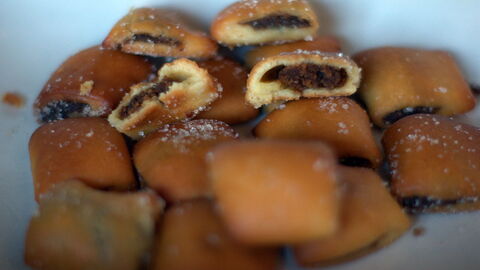
If you have a sweet tooth, Friuli Venezia Giulia is the region for you. It may be best known for its wine and its Austrian and Hungarian influenced savoury dishes but its sweets need to be experienced to be fully understood. Strucchi, for example, are a particularly delicious treat: sweet crumbly dough filled with pine nuts, hazelnuts, and grappa-soaked currants and raisins. They are boozy, bite-sized and delicious and can be cooked in a variety of ways. Baked, boiled or fried, they are typically served with powdered sugar or a scoop of gelato and are just the thing to warm you up in the colder weather of this mountainous region. Named for the Slovenian dumplings called štruklji, these small rectangular cookies are a tasty Italian take on the dish. If you want to try them at home while you pack and plan to head off to the perfect holiday rental in Friuli Venezia Giulia, just try out this recipe.     Read More


Pitina
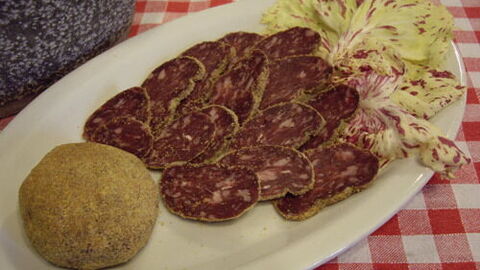
One of the best parts about holidaying in Italy is trying its cuisine in between bouts of dashing around museums, taking in the landscapes, admiring the buildings and artworks, learning about the history, shopping the boutiques, wandering the markets and venturing through its beautiful streets. Every single town and region has its unique dishes to try and it would take several lifetimes just to put a dent in the long list of delicious dishes. In saying that, we suggest you persevere and try and make even a little dent in that list. Friuli Venezia Giulia is a region, in particular, with an interesting cuisine, inspired by neighbouring nations, its mountainous terrain and harsh winters. Once you've found the best possible vacation rental in Friuli Venezia Giulia, we suggest that you try pitina, a traditional cold cut from the region.     Read More


Napoleonic Road
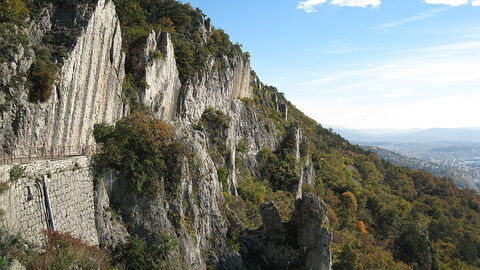
The Napoleonic Road (Strada Napoleonica) has been an integral part of Trieste since its construction began in 1821. It is a 5km-long path outside the city, joining the Italian countryside from Opicina to the region of Prosecco. This route offers the best view to the sea and the Gulf of Trieste and, if you’re on the ball, you can catch one of the most beautiful sunsets in the country here as well. It is the perfect place to take a break from dashing around museums and attractions to spend some time outdoors, take in some fresh air and immerse yourself in the extraordinary beauty of this part of the world. Just find a vacation rental in Friuli Venezia Giulia and spend time exploring the city of Trieste and the wonders that surround it, such as the Napoleonic Road.     Read More


Palazzo Revoltella
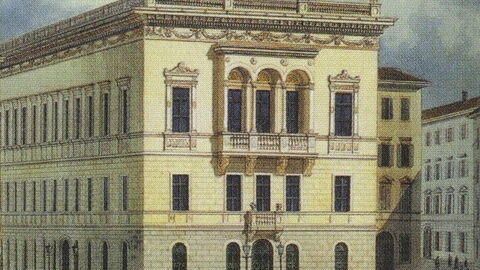
One of Italy's prettiest museums has to be Museo Revoltella in Trieste. The museum occupies the former home of Baron Revoltella and has since spilled out into two neighbouring buildings as the collections have grown over the years. Founded in 1872, it gathers the works of 19th and 20th century artists from the area and presents them alongside some of the original décor of the building including chandeliers, ornate gilded plasterwork and flamboyant silk wallpaper. The museum is also home to a lovely rooftop café and a great bookshop. Find a holiday rental in Friuli Venezia Giulia and pay a visit to the city, in order to see this amazing museum.     Read More