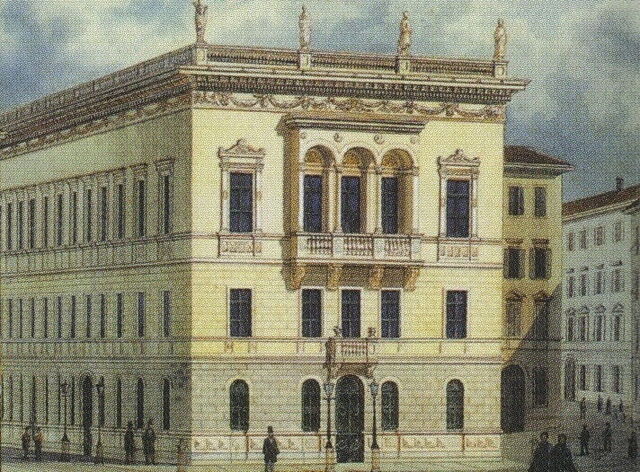
One of Italy's prettiest museums has to be Museo Revoltella in Trieste. The museum occupies the former home of Baron Revoltella and has since spilled out into two neighbouring buildings as the collections have grown over the years. Founded in 1872, it gathers the works of 19th and 20th century artists from the area and presents them alongside some of the original décor of the building including chandeliers, ornate gilded plasterwork and flamboyant silk wallpaper. The museum is also home to a lovely rooftop café and a great bookshop. Find a holiday rental in Friuli Venezia Giulia and pay a visit to the city, in order to see this amazing museum.
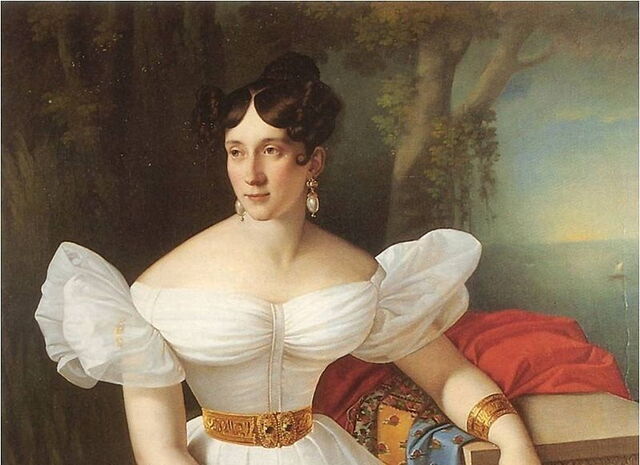
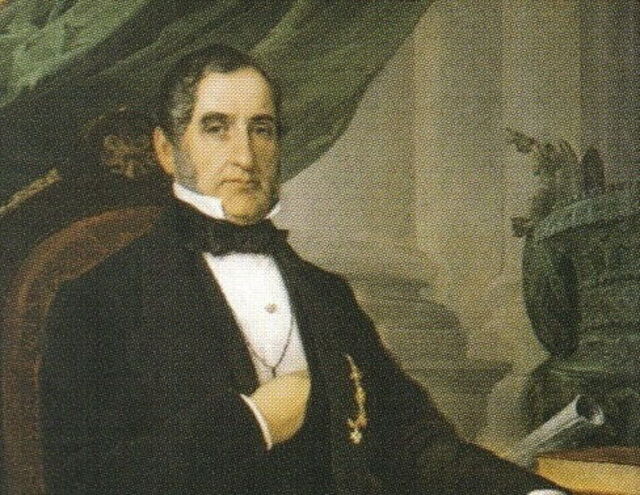
The museum was established after Baron Revoltella's death when he donated the building, contents and a fund for further expansion of the collection. Due to this, it has been able to amass a rather large collection and could boast works by Italian painters such as Hayez, Morelli, Favretto, Nono, Palizzi and Previati, as well as many foreign painters by the late nineteenth century.
During the twentieth century, the Museo Revoltella continued to grow, becoming an increasingly prestigious cultural institution and an important location for viewing and studying modern and contemporary art.
During the twentieth century, the Museo Revoltella continued to grow, becoming an increasingly prestigious cultural institution and an important location for viewing and studying modern and contemporary art.
Its collections took in all the important names of 20th century Italian art, including Casorati, Sironi, Carrà, Mattes, Bolaffio, Morandi, De Chirico, Manzù, Marini, Fontana and Burri.
Temporary exhibitions, and even some involvement in the activities of the scientific world, led to the cementing of its reputation as an important cultural asset to the city and Italy.
In the 60s the Palazzo Brunner was acquired to allow more space for the ever-growing collections and special exhibition spaces. The works was begun in 1968 by Carlo Scarpa and was not finished until 1991.
Today the Museum occupies a complex of three buildings, forming an entire block, with the third building and latest addition, the Basevi building, housing the museum's management and administration offices. The Brunner Palace houses most of the Revoltella art collection and the carefully restored Revoltella palace, has regained its identity as an historical residence and now holds works mainly from the founder's collection.
Museo Revoltella, therefore, offers the visitor the experience of visiting both a top-class art gallery filled with great names and important works and the opportunity of visiting a beautifully restored 19th century Italian palace – all in one place! It's truly on of the highlights of Trieste and the entire Friuli Venezia Giulia region.
Temporary exhibitions, and even some involvement in the activities of the scientific world, led to the cementing of its reputation as an important cultural asset to the city and Italy.
In the 60s the Palazzo Brunner was acquired to allow more space for the ever-growing collections and special exhibition spaces. The works was begun in 1968 by Carlo Scarpa and was not finished until 1991.
Today the Museum occupies a complex of three buildings, forming an entire block, with the third building and latest addition, the Basevi building, housing the museum's management and administration offices. The Brunner Palace houses most of the Revoltella art collection and the carefully restored Revoltella palace, has regained its identity as an historical residence and now holds works mainly from the founder's collection.
Museo Revoltella, therefore, offers the visitor the experience of visiting both a top-class art gallery filled with great names and important works and the opportunity of visiting a beautifully restored 19th century Italian palace – all in one place! It's truly on of the highlights of Trieste and the entire Friuli Venezia Giulia region.