A villa on the Amalfi Coast means access to endless beautiful seaside towns, pretty beaches, and charming spots with incredible views over the coast. It is an innately scenic part of Italy and the world and if you're fond of wonderful panoramas and visiting impossibly picturesque attractions then it is a great option for your next holiday in Italy. Among all of the lovely things to see and places to visit in the region, however, one of the most magical of all has to be the Giardino della Minerva in the town of Salerno. Browse our vacation rentals on the Amalfi Coast and get planning your trip today to take in this gorgeous garden and the infinite list of other beautiful attractions in the area.
The Giardino della Minerva (or Minerva's Garden) is a rather special botanical garden located on a high terrace that boasts sweeping views over the city of Salerno and out over the coast. Found in the medieval core of the city, in an area that was once known as the Plaium Montis, the garden traces its roots all the way back to the 12th century and is a very special gem that is now open to the public to be enjoyed for its educational, aesthetic and therapeutic qualities.

3
Jun
2021
2021
If you find a luxury villa in Veneto and are exploring the region, you'll have endless options of things to see and do from visiting the stunning and famous cities of Verona and Venice to spending days enjoying the outdoor pursuits of Lake Garda, and much more besides. However, many people do not realise that the region is also home to an incredible safari park and zoo where many different endangered species of flora and fauna are given a good home. If you are an animal lover and you are planning a trip to this part of Italy, then be sure to set aside some time to visit the wonderful Parco Natura Viva.
Located in Bussolengo in the Province of Verona, the Parco Natura Viva was founded back in the 1960s by Veronese architect Alberto Avesani and his wife Giorgia, who transformed their land from agricultural use into a wildlife area. They began by gathering local fauna to be bred and by protecting and preserving the biodiversity of the area with the idea of eventually opening the park to the public. This came to pass in June 1969 and the park was initially opened as the Parco Zoo del Garda, stretching over ten hectares that would later become the current so-called Fauna Trail.
Located in Bussolengo in the Province of Verona, the Parco Natura Viva was founded back in the 1960s by Veronese architect Alberto Avesani and his wife Giorgia, who transformed their land from agricultural use into a wildlife area. They began by gathering local fauna to be bred and by protecting and preserving the biodiversity of the area with the idea of eventually opening the park to the public. This came to pass in June 1969 and the park was initially opened as the Parco Zoo del Garda, stretching over ten hectares that would later become the current so-called Fauna Trail.
The stunning coastline of Liguria is known as the Italian Riviera and is, understandably, home to lots of excellent beaches. So, if you browse our villas in Liguria and are planning a vacation in the region, you will have endless options of beaches to choose from. As with all beaches in Italy, you will find quite a bit of variation in the styles and amenities of the strands in Liguria: from free beaches to beaches that you need to pay to use; options with umbrella and lounger rentals, showers, bathrooms, and more to natural and untouched beaches with little to no amenities; popular hot spots to hidden gems; access for animals or not; beaches fronting towns and boasting snack bars and beach clubs to stretches of coast in more romantic and remote locations. Depending on your own preferences and needs, some of these options will be more appealing to you than others. If you are in the market, however, for a strand fronting a town with lots of facilities, a buzzing beach club, and access for furry pals, then you could find no better option in all of Liguria than Baba Beach. This pet-friendly beach is exceptionally pretty and boasts lots of amenities, ensuring that you and your four-legged friends can enjoy perfectly relaxing days at the sea.
20
May
2021
2021
Posted in: Architectural Gems
Castles & Palaces
Main Islands
Must See Attractions
Sicily and Sardinia
Tourist Attractions
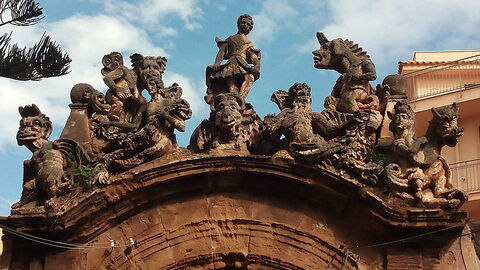
One of the most appealing and visited architectural gems is the endlessly fascinating Villa Palagonia, located in the town of Bagheria, 15km from the capital of Sicily, Palermo. Left in a dilapidated state, it is open to the public to be visited and while not all of it is currently accessible, it is nonetheless hauntingly beautiful and intriguing. If you have found a villa in Sicily or vacation rental in Palermo and you are interested in the island's rich and unique architectural and cultural heritage, then this is definitely a must-see to pencil in during your vacation in Italy.
Famous for the monstrous statues that decorate the garden, the so-called Villa dei Mostri (or Villa of the Monsters) was built in the 18th century according to the designs of Tommaso Napoli with the help of Agatino Daidone. An early example of the unique and richly intriguing Sicilian Baroque, the Villa Palagonia first gained international interest and attention when Grand Tour travellers exploring the area began to record and write of it and the series of grotesques on the grounds, in particular, in the 18th and 19th centuries. The likes of Henry Swinburne, Patrick Brydone, John Soane, Goethe, the Count de Borde, artists such as Jean-Pierre Houël or Alexandre Dumas, surrealists like André Breton, contemporary authors such as Giovanni Macchia and Dominique Fernandez, and more are all known to have noted, been inspired by, and reported about the villa.
Famous for the monstrous statues that decorate the garden, the so-called Villa dei Mostri (or Villa of the Monsters) was built in the 18th century according to the designs of Tommaso Napoli with the help of Agatino Daidone. An early example of the unique and richly intriguing Sicilian Baroque, the Villa Palagonia first gained international interest and attention when Grand Tour travellers exploring the area began to record and write of it and the series of grotesques on the grounds, in particular, in the 18th and 19th centuries. The likes of Henry Swinburne, Patrick Brydone, John Soane, Goethe, the Count de Borde, artists such as Jean-Pierre Houël or Alexandre Dumas, surrealists like André Breton, contemporary authors such as Giovanni Macchia and Dominique Fernandez, and more are all known to have noted, been inspired by, and reported about the villa.
21
Apr
2021
2021
Posted in: Curiosities
Food and Wine
Lombardy
Must See Attractions
Northwest Italy
Pretty Views
Tourist Attractions
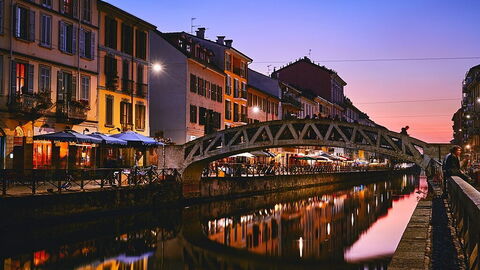
For many, the novelty of simply having the time and freedom to sit out and watch the world go by while enjoying a meal or a coffee or a glass of wine is one of the best parts about being on holiday. While seeing famous landmarks and trying out new and interesting activities is all well and good, truly relaxing and having some proper down time to unplug and unwind is key to a good vacation. There are, of course, particular spots that are especially well-suited to this kind of leisurely relaxation such as markets, town squares, seafront promenades, and more. Or, if you have found a vacation rental in Lombardy, along an impossibly picturesque canal lined with restaurants and bars.