Liguria is home to the Italian Riviera, a stretch of the coast that boasts some of Italy's most beautiful beaches and, as a result, it is an especially popular holiday destination. However, in addition to having lots of options for days of fun and sun at the beach, a villa in Liguria also means enjoying incredible fresh seafood and plenty of delicious local specialties including mushroom pie and mussels stuffed with cheese and herbs; visits to exclusive holiday resorts such as the luxurious and star-studded Portofino; wonderful walks and hiking routes along the coast where you can enjoy the scent of the sea and endless lemon groves that permeates the air or in the Ligurian Alps where you'll take in some of the most extraordinary views in the world; wandering the picturesque towns of the famous Cinque Terre; trips to villages famous for witch trials, inspiring Monet, annual carnival celebrations, and more; and, of course, time exploring the stunning and elegant capital of the region, Genoa. Genoa is an incredibly beautiful gem with an old town full of pretty winding little streets among tall old buildings, palaces, museums, and architectural feats. Among all of the wonderful things to see and do in the city, however, if you have found a villa in Liguria and are spending the day in Genoa, then a visit to the Palazzo Reale is a must.
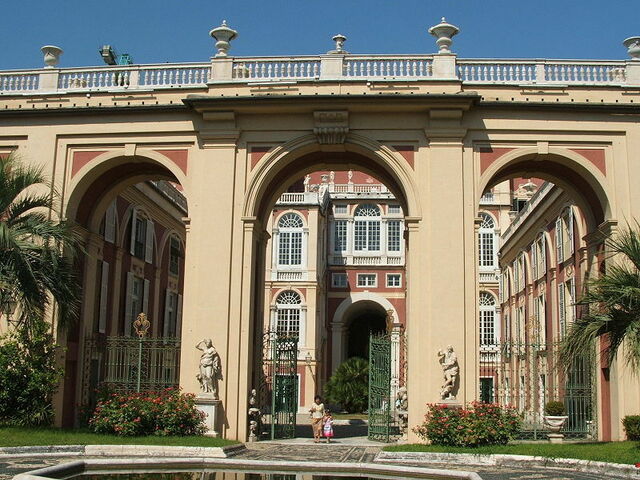
Genoa's Palazzo Reale, or Palazzo Stefano Balbi, is a magic and well-preserved beauty that is full of amazing works of art and frescoes. Located on Via Balbi and now home to a National Gallery, the palace was originally constructed between 1618 and 1655 for the Balbi family. Work began under Stefano Balbi and continued by his son Giovanni Battista, as part of their scheme of creating a whole street of buildings called the Strada delli Signori Balbi (Street of the Balbis). The palace was then finished between 1643 and 1655 under the direction of the architects Pier Francesco Cantone, Michele Moncino, and Giovanni Angelo Falcone. This original palace was made up of a square central body flanked by two side wings extending towards the sea, with a façade facing out onto Via Balbi that was around 30m in height. The final, and current, façade would measure an extraordinary 100m in height. The Balbi family also had the interiors decorated by some of the most important fresco painters of the time including Genoese Valerio Castello (whose Fama still remains today), Giovan Battista Carlone, Angelo Michele Colonna, and Agostino Mitelli (whose Spring and Winter frescoes remain). The deaths of Stefano and Giovanni Battista Balbi during the 1657 plague saw the end of the first phase building. In 1677, the Durazzo family purchased the palace and incorporated it with a neighbouring building in 1685, expanding the palace greatly. Then, in 1705, the whole palace complex was completely transformed by the famous architect Carlo Fontana, under whom the portal, atrium, and stairways were altered and a courtyard and the hanging garden overlooking via Prè and the Porto Vecchio were added to very picturesque effect. As if it wasn't already a behemoth, the Falcone Theatre was also eventually absorbed into the complex.
Further generations of the family occupied the palace until 1824 and then it was bought by the House of Savoy who, following the restoration, had annexed the Republic of Genoa to the Kingdom of Sardinia. It became the summer residence of King Carlo Felice of Savoy. On the occasion of the wedding of Vittorio Emanuele II of Savoy and Maria Adelaide in 1842, Genoese set designer Michele Canzio was commissioned to renovate the interiors and alterations were made to the throne room, audience halls, ballroom, and the apartments on the piano nobile. Genoese artists including Giuseppe Isola, Giacomo Varese, and Santo Varni were invited to decorate these apartments. In 1885, the Ponte Reale was built, which crossed the driveway and directly connected the palace with the pier and the royal tribune inside the church of San Sisto. Finally, in 1919, Vittorio Emanuele III sold the palace to the state and it became a public museum that is one of the most impressive in Italy and a true highlight for anyone on vacation in Liguria.
Further generations of the family occupied the palace until 1824 and then it was bought by the House of Savoy who, following the restoration, had annexed the Republic of Genoa to the Kingdom of Sardinia. It became the summer residence of King Carlo Felice of Savoy. On the occasion of the wedding of Vittorio Emanuele II of Savoy and Maria Adelaide in 1842, Genoese set designer Michele Canzio was commissioned to renovate the interiors and alterations were made to the throne room, audience halls, ballroom, and the apartments on the piano nobile. Genoese artists including Giuseppe Isola, Giacomo Varese, and Santo Varni were invited to decorate these apartments. In 1885, the Ponte Reale was built, which crossed the driveway and directly connected the palace with the pier and the royal tribune inside the church of San Sisto. Finally, in 1919, Vittorio Emanuele III sold the palace to the state and it became a public museum that is one of the most impressive in Italy and a true highlight for anyone on vacation in Liguria.
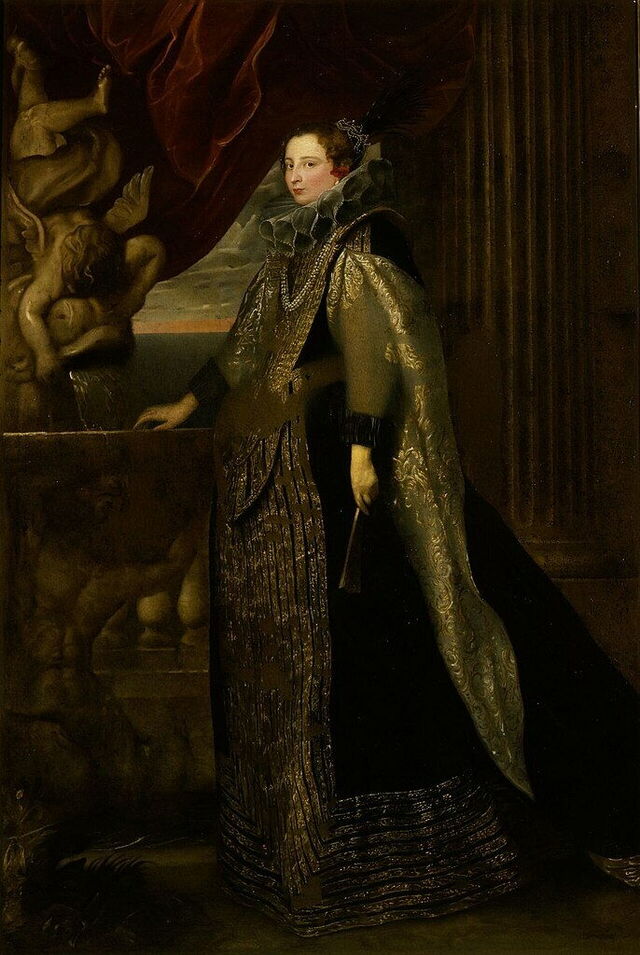
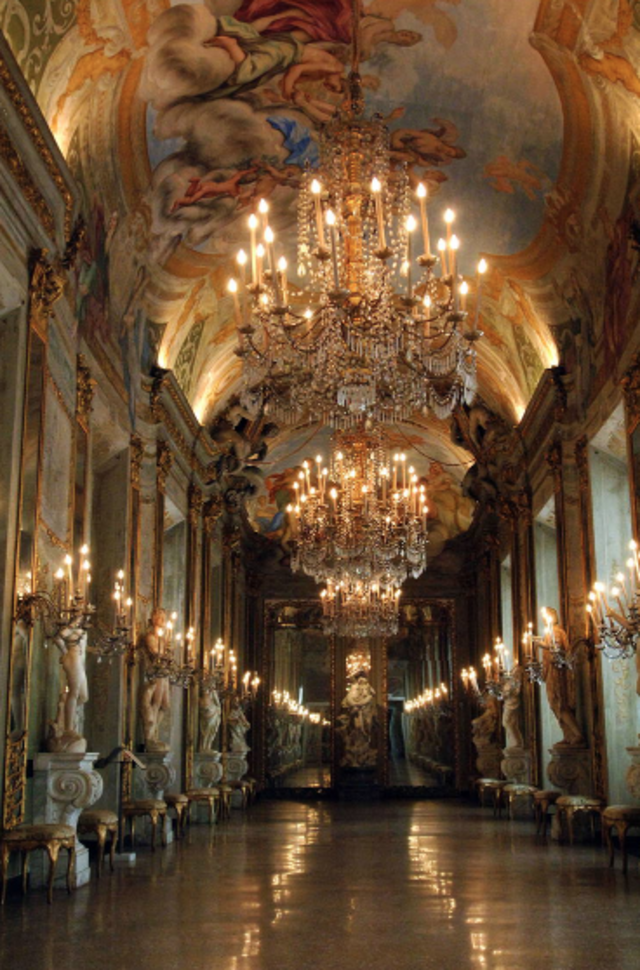
This incredible museum today includes the stunning and famous Galley of Mirrors created by Domenico Parodi, which merges painting, sculpture, and architecture, competes with the more well-known galleries of the Colonna and Doria Pamphjli palaces in Rome and Versailles, and houses original Roman sculptures once owned by the Durazzo family. The main collection of artworks, other than those integrated into this room, are spread over two floors and comprise over two hundred pieces including paintings by the likes Bernardo Strozzi, Grechetto, Bassano, Tintoretto, Luca Giordano, Antoon Van Dyck, Simon Vouet, and Guercino, ancient and modern sculptures, and original furnishings dotted throughout.
A giant and astounding architectural gem boasting amazing sea views, incredible original features and antiques, and an utterly extraordinary museum of works of art, the gorgeous Palazzo Reale is truly mind-boggling and is a must-see attraction for anyone who has found a villa in Liguria and is spending a day in Genoa while exploring this part of Italy.
Palazzo Reale Museum
Via Balbi 10, 16126 Genoa
Opening Hours:
Monday to Friday from 8.30am to 1.30pm (last admittance at 1pm)
Closed on Saturday and Sunday
Tickets:
Adults, €4
EU citizens between 18 and 25 years of age, €2
Free entrance for those under 18
A giant and astounding architectural gem boasting amazing sea views, incredible original features and antiques, and an utterly extraordinary museum of works of art, the gorgeous Palazzo Reale is truly mind-boggling and is a must-see attraction for anyone who has found a villa in Liguria and is spending a day in Genoa while exploring this part of Italy.
Palazzo Reale Museum
Via Balbi 10, 16126 Genoa
Opening Hours:
Monday to Friday from 8.30am to 1.30pm (last admittance at 1pm)
Closed on Saturday and Sunday
Tickets:
Adults, €4
EU citizens between 18 and 25 years of age, €2
Free entrance for those under 18
Photo credits
Picture 1: Twice25 e Rinina25 / CC BY 2.5;
Picture 2: Zenawiki / CC BY-SA 4.0
Picture 1: Twice25 e Rinina25 / CC BY 2.5;
Picture 2: Zenawiki / CC BY-SA 4.0