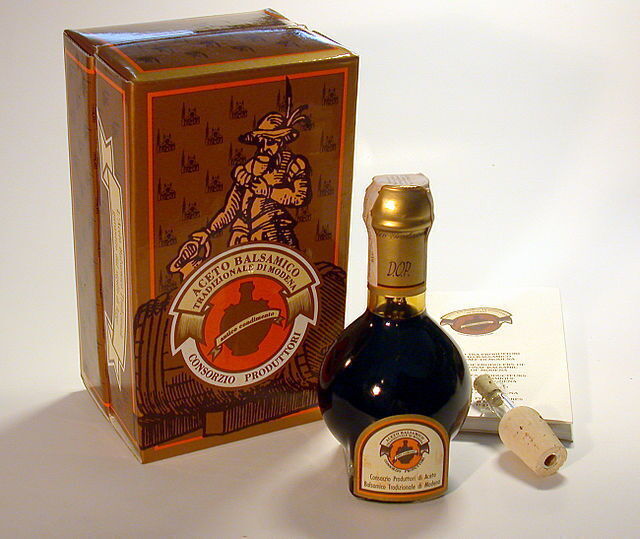
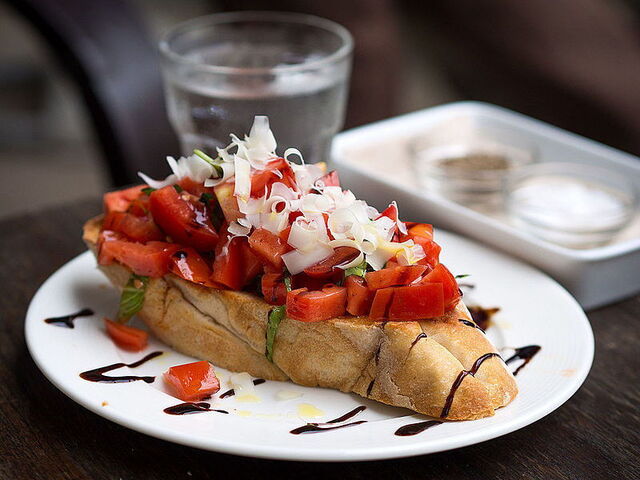
Italy is famed for its food and one of the most iconic products is the Balsamic Vinegar. Most people have a bottle in their cupboard and consume it on a regular basis. Used as a condiment on salads, bruschetta and the like, it is made from a reduction of cooked white Trebbiano grape juice. It has been produced in the cities of Modena and Reggio Emilia in the Emilia-Romagna region since the Middle Ages, with written records going back to the 11th century.
Just one of the many, many reasons to visit Modena, it is, however, a particularly tasty one!
Why not find a villa with pool in Emilia-Romagna and explore the city and its cuisine for yourself?
Just one of the many, many reasons to visit Modena, it is, however, a particularly tasty one!
Why not find a villa with pool in Emilia-Romagna and explore the city and its cuisine for yourself?
The absolute origins of balsamic vinegar go back to ancient Roman times. Several kinds have always existed in Modena, however, the term “balsamico” or balsamic, was first used only in 1747 in the listing of stock in the wine cellars of the Ducal Palace of Modena. The name probably refers to the therapeutic use of the vinegar which was described as having a refreshing, balsamic or softening effect.
The number of producers multiplied in the 1800s, and, in the 20th century, economic prosperity encouraged producers and the local government to commercialise the product. The condiment, therein, was marketed as Balsamic Vinegar.
The number of producers multiplied in the 1800s, and, in the 20th century, economic prosperity encouraged producers and the local government to commercialise the product. The condiment, therein, was marketed as Balsamic Vinegar.
Over time, its reputation continued to flourish internationally. Moving forward, strict techniques and requirements were established to be followed by any producers of Balsamic Vinegar and it was awarded an IGP label by the European Commission in 2009, recognising its status as a protected traditional regional product.
Balsamic Vinegar is made from the must of grapes. Only grapes from Lambruschi, Sangiovese, Trebbiani, Albana, Ancellotta, Fortana, and Montuni can be used. Wine vinegar is added to the grape must and some recipes also call for the addition of caramel, though this must be under 2% of the entire volume.
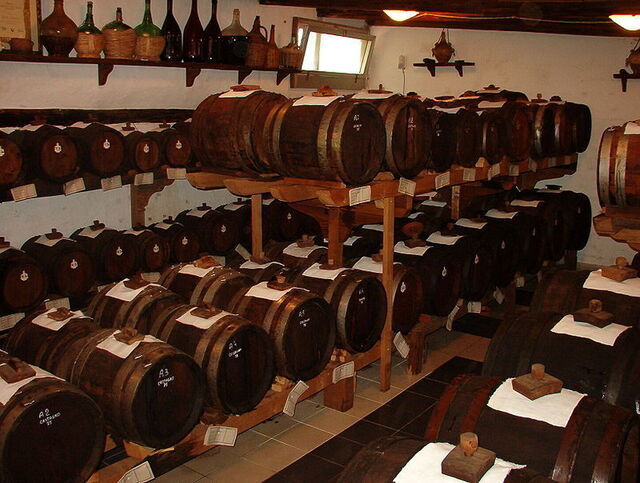
When the ingredients have been mixed, they are left in containers – normally wood – for a minimum of sixty days. To be labelled as “aged”, the vinegar must be left in containers for at least three years.
Aceto Balsamico Tradizionale is the true balsamic vinegar, aged for longer and thicker in consistency. Aged for a minimum of 12 years and with a rich, complex flavour, it is closer to the traditions of the area. The Aceto Balsamico Tradizionale di Modena, however, is the less expensive, commercial version of the product that most are more familiar with.
Each September the Acetaie Aperte takes place in which over 30 Balsamic Vinegar producers welcome visitors to see their artisan factories and enjoy tastings. Tours and tastings are also available from particular producers and the comune all year round. For any foodies visiting Modena, it's an absolute must to experience the area's most famous food export!
Balsamic Vinegar is made from the must of grapes. Only grapes from Lambruschi, Sangiovese, Trebbiani, Albana, Ancellotta, Fortana, and Montuni can be used. Wine vinegar is added to the grape must and some recipes also call for the addition of caramel, though this must be under 2% of the entire volume.
When the ingredients have been mixed, they are left in containers – normally wood – for a minimum of sixty days. To be labelled as “aged”, the vinegar must be left in containers for at least three years.
Aceto Balsamico Tradizionale is the true balsamic vinegar, aged for longer and thicker in consistency. Aged for a minimum of 12 years and with a rich, complex flavour, it is closer to the traditions of the area. The Aceto Balsamico Tradizionale di Modena, however, is the less expensive, commercial version of the product that most are more familiar with.
Each September the Acetaie Aperte takes place in which over 30 Balsamic Vinegar producers welcome visitors to see their artisan factories and enjoy tastings. Tours and tastings are also available from particular producers and the comune all year round. For any foodies visiting Modena, it's an absolute must to experience the area's most famous food export!
Photo credits
picture 2: Takeaway / CC BY-SA 4.0;
picture 3: Sputnikcccp / CC BY-SA 3.0
picture 2: Takeaway / CC BY-SA 4.0;
picture 3: Sputnikcccp / CC BY-SA 3.0
