Archive for 'Lombardy'


Books
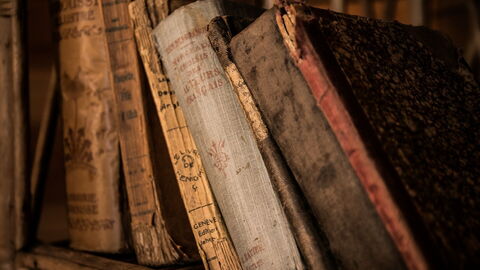
The idea of festivals in Italy evokes images of fun, music, dancing and great celebrations and while, of course, there are plenty of these all over the country, there are also a large variety of very unique and particular festivals as well. It is these that cater to more specific interests and, if you're someone with a singular passion for something, you're sure to find a corresponding festival somewhere in Italy. If that passion is literature, you need look no further as 2016 Italian Capital of Culture; Mantua has just what you are looking for. Every year, this beautiful and historic city plays host to a literature festival which attracts the finest writers and, even, Nobel Prize winners each year. Just find a holiday rental in Lombardy and you could be rubbing shoulders with some of the greatest literary minds this September.     Read More


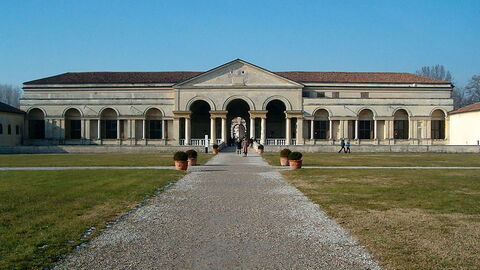
Palazzo del Te, Facade
Palazzo del Te is a 16th century villa in Mantua though the title of “palace” does seem more accurate as it is unbelievably grand and combines aspects of palace and villa architecture and function. It has also been called the “greatest of all Mannerist villas”. This astounding building was designed by Giulio Romano, the most gifted of Raphael's students, for Federigo Gonzaga, Duke of Mantua, son of the famous Isabella d'Este and famous in his own right as one of the most cultured and learned off all Renaissance patrons of the arts. A villa suburbana, it was built in the countryside close to the city to take advantage of the fresh air and more rural pursuits without having to venture too far away. Why not find a holiday rental in Lombardy and pay a visit to Mantua and the villa for yourself?     Read More


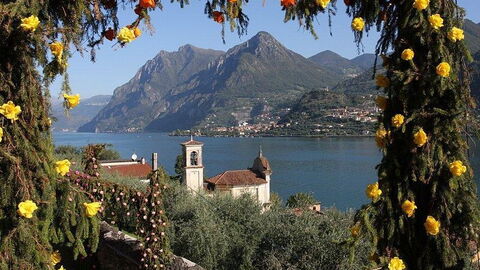
View from Monte Isola
Monte Isola is a town and commune in Brescia, Lombardy. However, it is a little bit different to a lot of towns in Italy and a little more special as it is an island on Lake Iseo. In fact, it is actually the largest lake island in Europe. The town and its setting are both beautiful and this area is less swamped by tourist crowds than many of the other lake districts in Italy. Little known outside Italy, it’s smaller than the likes of Lake Como but is quieter and more charming. If you’re looking for a holiday full of lakeside pursuits, water sports, beautiful surroundings and the chance to get well and truly away from it all, then Monte Isola is the place for you! Just find a holiday rental in Lombardy and spend some time exploring this hidden gem of a town.     Read More


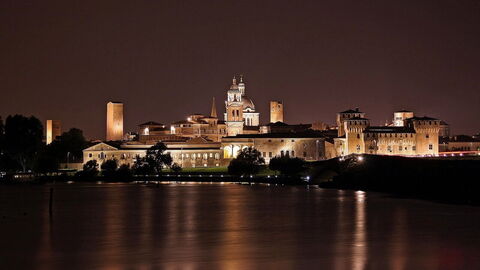
Mantua at Night
This year, Mantua, the artistic lesser-known gem of Lombardy, is to be the Italian Cultural Capital. Milan may be the biggest metropolis of the region but, for 2016, Mantua is to be the cultural hub of Lombardy. The city was selected from a shortlist of ten by a judging panel of experts appointed by the Minister of Cultural Heritage and beat out other contenders such as Aquileia, Como, Ercolano, Parma, Pisa, Pistoia, Spoleto, Taranto and Terni.

An official UNESCO World Heritage Site, birthplace of Virgil, ancient Roman poet par excellence, and former seat of the Gonzaga family and Renaissance excellence, Mantua truly is a cultural hub for history buffs, art-lovers, architecture aficionados and music fans alike. If you're interested in witnessing some of the special events planned this year, why not find a vacation rental in Lombardy and spend some time in Mantua?     Read More


Cassoeula
Cassoeula (also known as Cazzuola, Cazzola and Bottaggio) is a typical winter dish composed of cabbage and pork which is popular in Northern Italy and Lombardy, in particular. With a rich, strong flavour, it is the perfect, comforting dish for cold winter months.

There are several accounts of the origins of the dish, as is often the case with Italian specialities. However, one associates it with the celebration of St Anthony the Abbot on January 17th, which coincided with the end of pig slaughtering season. The parts of the pig used in the dish were those that could be immediately used after it was slaughtered and the better cuts were hung to improve the flavour of the meat. Another story states that the dish traces its roots back to 16th century, Spanish-ruled Milan. In this version of the origin story, the dish was taught to a Milanese girl by her Spanish lover, an army officer. She then served it to the noble Milanese family that she worked for and it was extremely well-received, soon gaining recognition and popularity.     Read More