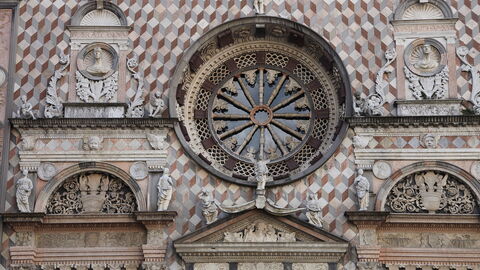
Bergamo is a stunning city in Lombardy that is surrounded by captivating scenery and stuffed full of architectural and cultural gems. One of the most beautiful buildings in the whole city, however, has to the Cappella Colleoni.
Built between 1472 and 1476, it was constructed as a mausoleum-cum-chapel for the Bergamese mercenary commander Bartolomeo Colleoni. One of the most famous mercenary captains in Italy, he led Venice's armies in campaigns across northern Italy and was known as a fearless soldier.
With a charming exterior and stunningly lovely interior, his chapel is a must-see for visitors coming to the city. Just find a vacation rental in Lombardy and spend time exploring Bergamo and her architectural boons.
14
Nov
2016
2016