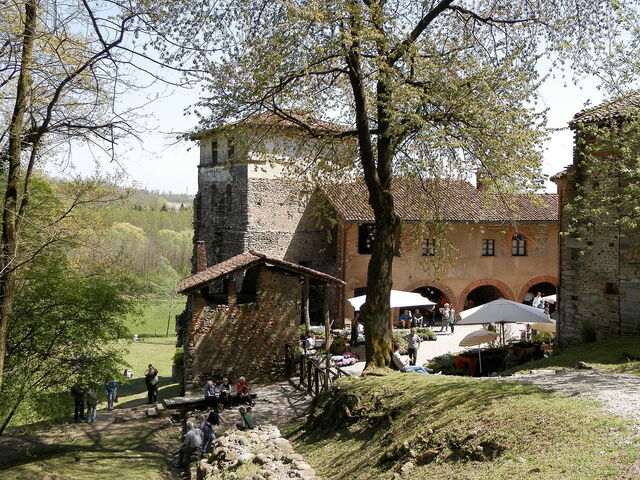
Torba Monastery was originally built in the 5th century as a Roman stronghold against barbarian invasions and was used for military purposes under various rules and guises until it came into the possession of a group of Benedictine nuns in the 8th century. The building was expanded and adapted into a religious complex and the interiors were decorated with elaborate murals and frescoes.
Later still, the monastery fell into disuse as a religious building and was adopted by local farmers with far more practical goals in mind. They decided to cover the paintings with plaster and, in some cases, merely ignored the works, letting them fall into disrepair.
Much was lost, as a result, but some of the works managed to survive, despite the neglect. One particular example that remains has become famous and has led to the creation of lots of legends and rumours.
Later still, the monastery fell into disuse as a religious building and was adopted by local farmers with far more practical goals in mind. They decided to cover the paintings with plaster and, in some cases, merely ignored the works, letting them fall into disrepair.
Much was lost, as a result, but some of the works managed to survive, despite the neglect. One particular example that remains has become famous and has led to the creation of lots of legends and rumours.
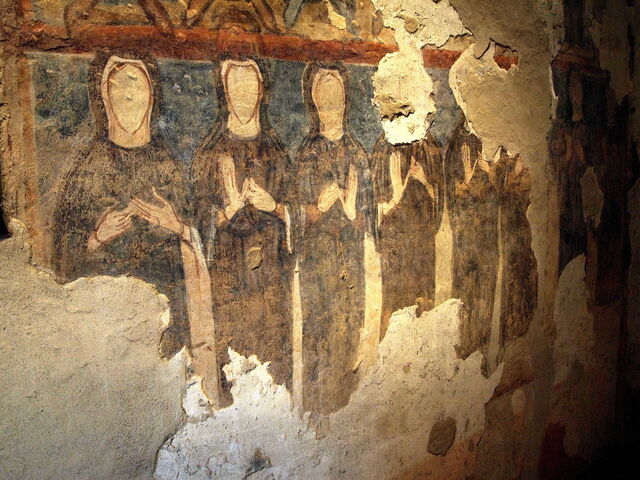
The “faceless nuns” of Torba have attracted a lot of attention because of the way that they have survived; much of the piece is crumbling and, among the procession of the eight figures, three are missing their faces with perfect oval circles of white remaining in place of them.
This perfect disappearance of just the faces has made many question what exactly happened, thinking it too particular to merely have been erosion.
Local tradition says that during the painting of the piece, three nuns left the monastery and never returned, and thus were not used as subjects for the work. Because of this, it is said that their souls wander the surrounding area without peace. The hands of all of the figures, posed in precise gestural expressions, also have led to speculation and are thought by some to contain a secret meaning.
This perfect disappearance of just the faces has made many question what exactly happened, thinking it too particular to merely have been erosion.
Local tradition says that during the painting of the piece, three nuns left the monastery and never returned, and thus were not used as subjects for the work. Because of this, it is said that their souls wander the surrounding area without peace. The hands of all of the figures, posed in precise gestural expressions, also have led to speculation and are thought by some to contain a secret meaning.
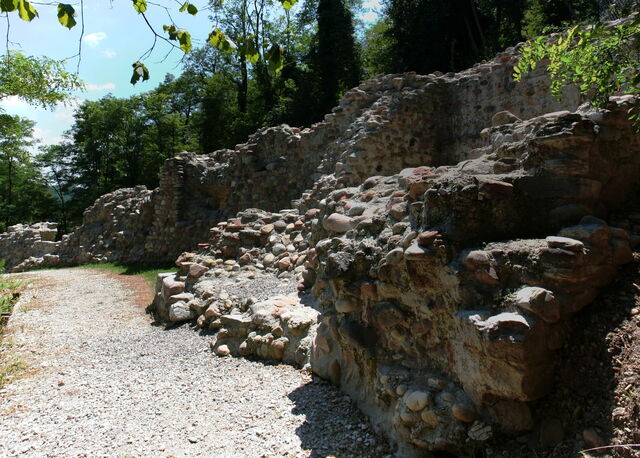
Overall, the nuns are a bizarre sight that lend a spooky and eerie atmosphere to the historic and fascinating site and make it all the more interesting to visit.
The whole complex is part of the serial UNESCO world heritage site "The Longobards and their places of power", together with the archaeological area of Castelseprio, and are a must see for those who have found a
vacation rental in Lombardy.
The whole complex is part of the serial UNESCO world heritage site "The Longobards and their places of power", together with the archaeological area of Castelseprio, and are a must see for those who have found a
vacation rental in Lombardy.
Photo credits
picture 1: Paul Barker Hemings / CC BY-SA 2.0;
picture 2: RoyalMailShip / CC BY-SA 3.0;
picture 3: Alessio Facchin / CC BY-SA 3.0
picture 1: Paul Barker Hemings / CC BY-SA 2.0;
picture 2: RoyalMailShip / CC BY-SA 3.0;
picture 3: Alessio Facchin / CC BY-SA 3.0