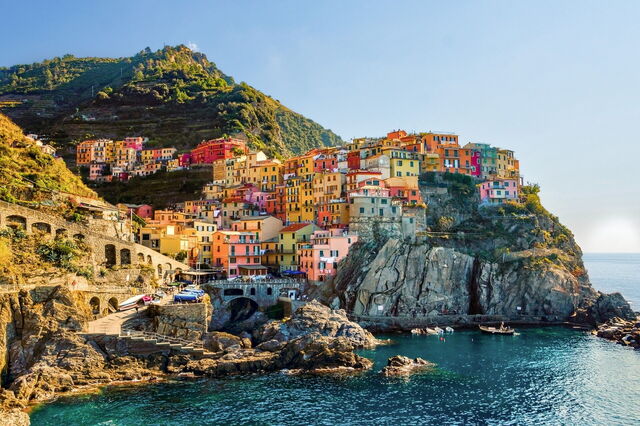
Have you been dreaming of a trip to Italy for years and have finally decided to bite bullet and plan the holiday that you have always wanted? Have you dreamed of tasting the famously delicious food, sipping wine in the beautiful vineyards, exploring the pretty little towns and majestic cities, seeing world class works of art with your own eyes, wandering palaces and villas and gardens, visiting stunning churches, taking in incredible views, hanging out on perfect beaches, skiing in the Alps, enjoying the bountiful wonders of the amazing landscapes that make up the countryside, and much more besides? There is just so much to see and do and look forward to! Just browse our amazing vacation rentals in Italy and luxury villas in Tuscany and get planning it all today.
However, if you are planning your first trip to Italy, then you might be unsure of what to expect when you get there. You might have some questions. So, we decided to answer some important ones to help you get started.
However, if you are planning your first trip to Italy, then you might be unsure of what to expect when you get there. You might have some questions. So, we decided to answer some important ones to help you get started.
1. Is driving in Italy hard?
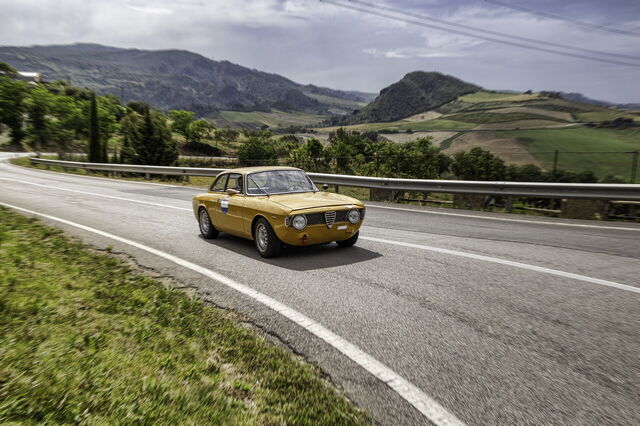
Yes, and no. If you are a careful driver and take your time, then you will totally be fine but, as with any country, there are different rules and driving cultures to keep in mind and to which you will need to grow accustomed. If you are coming from America or most of the rest of Europe and the world, you’ll be relieved to know that they drive on the right side of the road in Italy so those coming from Ireland or the UK or any of the other countries that drive on the left-hand side of the road will need to pay particular attention! The most important thing to keep in mind are ZTLs, which are parts of historic cities like Florence and Pisa (check out our luxury villas in Florence and our luxury villas in Pisa here), where you are not allowed drive without special permits. Usually not well signposted, you need to be really careful of these zones as driving into them will lead to a fine following you home in the post. For a full guide to driving in Italy, you can read our article on the topic.
Yes, and no. If you are a careful driver and take your time, then you will totally be fine but, as with any country, there are different rules and driving cultures to keep in mind and to which you will need to grow accustomed. If you are coming from America or most of the rest of Europe and the world, you’ll be relieved to know that they drive on the right side of the road in Italy so those coming from Ireland or the UK or any of the other countries that drive on the left-hand side of the road will need to pay particular attention! The most important thing to keep in mind are ZTLs, which are parts of historic cities like Florence and Pisa (check out our luxury villas in Florence and our luxury villas in Pisa here), where you are not allowed drive without special permits. Usually not well signposted, you need to be really careful of these zones as driving into them will lead to a fine following you home in the post. For a full guide to driving in Italy, you can read our article on the topic.

2. Do you need to be able to speak Italian to visit Italy?
No, you don’t. However, it does make things a lot easier. Particularly in the countryside or smaller towns, you may find fewer people who will be able to communicate with you. In bigger towns and cities, where they are used to tourists, they will be better able to facilitate your needs. Famous museums and restaurants and other institutions and attractions will often offer reading materials, signs, and information in multiple languages. If you can speak English, you’ll be most likely able to find someone wherever you are who can also speak enough of the language for you to figure things out. If in doubt, translation apps are your friend so ensure you have internet access. You’ll also probably be able to look up the answers to a lot of your questions online, where other travellers will have posted about their experiences. It is nice, however, to learn a few key phrases to help yourself out and to show Italians that you are trying.
No, you don’t. However, it does make things a lot easier. Particularly in the countryside or smaller towns, you may find fewer people who will be able to communicate with you. In bigger towns and cities, where they are used to tourists, they will be better able to facilitate your needs. Famous museums and restaurants and other institutions and attractions will often offer reading materials, signs, and information in multiple languages. If you can speak English, you’ll be most likely able to find someone wherever you are who can also speak enough of the language for you to figure things out. If in doubt, translation apps are your friend so ensure you have internet access. You’ll also probably be able to look up the answers to a lot of your questions online, where other travellers will have posted about their experiences. It is nice, however, to learn a few key phrases to help yourself out and to show Italians that you are trying.

3. What visas do you need to visit Italy?
It depends. If you are just going on holidays then, no, you most likely don’t need to get a visa. Visa requirements for Italy do vary depending on citizenship and the length of your proposed stay. However, if you are just planning on a vacation that will last under 90 days, then you can visit without any issues. Visitors from the European Union, obviously, do not have this concern.
4. Do you need to tip in Italy?
There is not really a tipping culture in Italy in the way that exists in other countries, as such, so you are not expected to tip in restaurants, taxis, etc. There is a “coperto” or service charge in restaurants that is added to most bills (usually listed at the bottom of the first page of the menu), which is mandatory and included in the bill but if you want to tip someone for particularly good service, be sure to give it to the person directly as it may otherwise get confused as tipping is so uncommon and taken by someone else. If you go on a tour with a guide, you can tip the guide and that is a much more common practice as they are more used to working with tourists, in particular.
It depends. If you are just going on holidays then, no, you most likely don’t need to get a visa. Visa requirements for Italy do vary depending on citizenship and the length of your proposed stay. However, if you are just planning on a vacation that will last under 90 days, then you can visit without any issues. Visitors from the European Union, obviously, do not have this concern.
4. Do you need to tip in Italy?
There is not really a tipping culture in Italy in the way that exists in other countries, as such, so you are not expected to tip in restaurants, taxis, etc. There is a “coperto” or service charge in restaurants that is added to most bills (usually listed at the bottom of the first page of the menu), which is mandatory and included in the bill but if you want to tip someone for particularly good service, be sure to give it to the person directly as it may otherwise get confused as tipping is so uncommon and taken by someone else. If you go on a tour with a guide, you can tip the guide and that is a much more common practice as they are more used to working with tourists, in particular.
5. Do businesses close in the middle of the day in Italy?
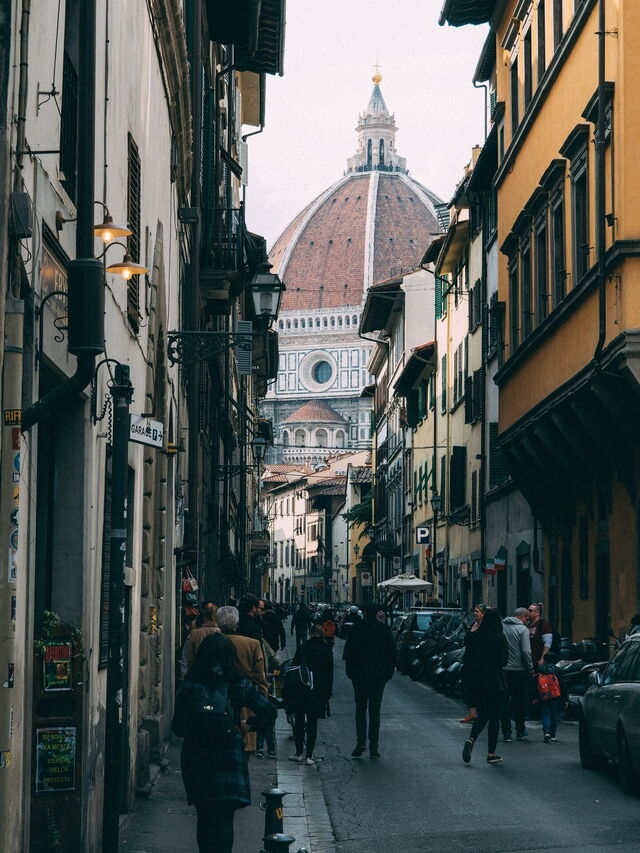
Yes, they do! During the day, generally between 1pm to 3.30 or 4pm, many businesses take a "riposo” or “pausa pranzo", which is like a siesta or long lunch break. This is changing in bigger towns and stores, and particularly in international chains but most smaller towns and businesses still shut for several hours in the middle of the day. Grocery stores are often an exception to the rule but clothes stores, little shops, and other businesses will likely be closed at this time. However, this does mean that they will stay open later in the evening, until 7.30 or 8pm. This is better suited to working people who can then go to the stores they want to visit after they leave work for the day. Restaurants will be open for lunch, so you’ll get fed, but if you want to go shopping, keep it in mind that some of the shops you want to visit may be closed for a chunk of the afternoon. It is also worth noting that a lot of businesses are also closed on Sundays and Monday mornings and then reopen on Monday afternoons, after lunch.
Now that you’re armed with some important information, you can get to the fun part: planning your vacation in Italy!
Yes, they do! During the day, generally between 1pm to 3.30 or 4pm, many businesses take a "riposo” or “pausa pranzo", which is like a siesta or long lunch break. This is changing in bigger towns and stores, and particularly in international chains but most smaller towns and businesses still shut for several hours in the middle of the day. Grocery stores are often an exception to the rule but clothes stores, little shops, and other businesses will likely be closed at this time. However, this does mean that they will stay open later in the evening, until 7.30 or 8pm. This is better suited to working people who can then go to the stores they want to visit after they leave work for the day. Restaurants will be open for lunch, so you’ll get fed, but if you want to go shopping, keep it in mind that some of the shops you want to visit may be closed for a chunk of the afternoon. It is also worth noting that a lot of businesses are also closed on Sundays and Monday mornings and then reopen on Monday afternoons, after lunch.
Now that you’re armed with some important information, you can get to the fun part: planning your vacation in Italy!