The mosaics of Ravenna entered the common parlance and radars of a very large audience in 2013 when Dolce & Gabbana used prints of some of the works of art in their garments. However, the Byzantine mosaics created in the city in the 5th and 6th centuries have always been one of its distinguishing features and one of the things that it is most well-known for.
Even today, it is still one of Italy's greatest producers of mosaics.
If you are interested in art or are fond of awe-inspiring church interiors that glitter like jewellery boxes then find a vacation rental in Ravenna and see them for yourself.
Even today, it is still one of Italy's greatest producers of mosaics.
If you are interested in art or are fond of awe-inspiring church interiors that glitter like jewellery boxes then find a vacation rental in Ravenna and see them for yourself.
In 535, the Byzantine Emperor Justinian I's general, Belisarius invaded Italy and had captured Ravenna within five years. It then became the Italian seat of the Byzantine government. During the Byzantine rule, the bishops of Ravenna began a new building program of ecclesiastical buildings. Mosaics, being one of the principal ways that they decorated these buildings, abounded as a result.
Thanks to this period in history, the city now has a rich heritage of mosaics that remain today. Many of these magnificent buildings are now UNESCO World Heritage Sites.
Thanks to this period in history, the city now has a rich heritage of mosaics that remain today. Many of these magnificent buildings are now UNESCO World Heritage Sites.
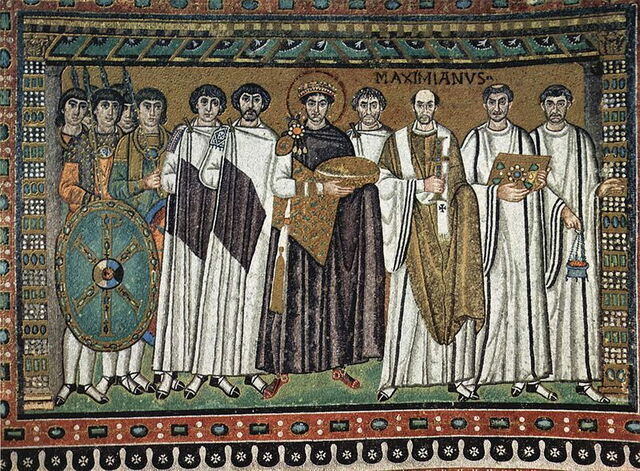
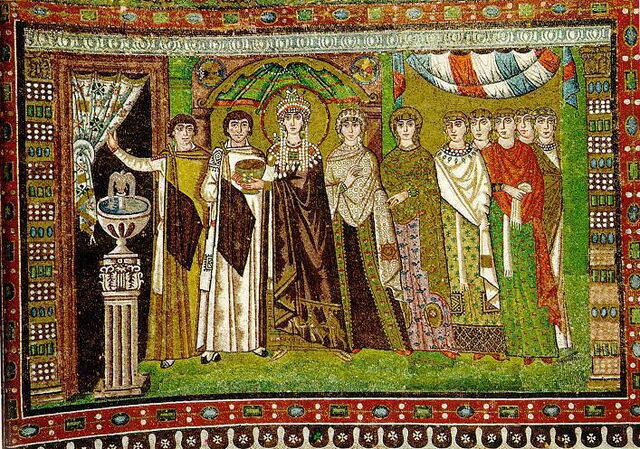
The Basilica of San Vitale is probably one of the most famous and important examples. The church itself is stunning, octagonal in plan and combining Roman and Byzantine influences, but it is the mosaics inside that it is most celebrated for. They are the best-preserved and largest of their kind outside of Constantinople. It is also the only major church from the first period of Byzantine rule in Ravenna to remain intact to this day. The large cycle of mosaics depict a variety of stories from the bible including those of Moses, Cain and Abel, Abraham, Isaac and Jeremiah and Isaiah. There are also images of the Evangelists, Christ, the Apostles and various saints.
Two panels are particularly iconic; dating to 547, they depict Justinian and his wife, Theodora, each flanked by attendants. The style of all the mosaics is typical of the period; lively, colourful and rich.
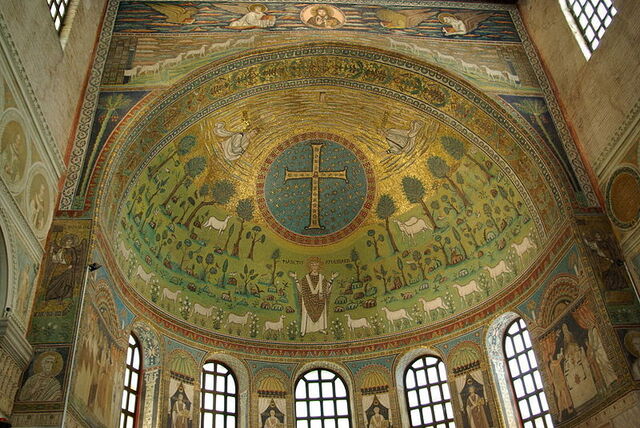
Similarly, the Basilica of Sant'Apollinare in Classe also displays wonderful examples of Byzantine mosaics. They are mostly limited to the apse of this church due to a period of demolition in the 15th century. Despite this, what remains is lavish and beautiful. Depicted are the Evangelists, Christ, Elijah, Moses and Saint Apollinaris praying God to give grace to his followers, symbolised by twelve white lambs. Though there is a smaller number of mosaics than in San Vitale, they are equally beautiful and well-preserved.
If you ever find yourself anywhere near Ravenna, put seeing the mosaics to the top of your itinerary! You won't regret it.
Two panels are particularly iconic; dating to 547, they depict Justinian and his wife, Theodora, each flanked by attendants. The style of all the mosaics is typical of the period; lively, colourful and rich.
Similarly, the Basilica of Sant'Apollinare in Classe also displays wonderful examples of Byzantine mosaics. They are mostly limited to the apse of this church due to a period of demolition in the 15th century. Despite this, what remains is lavish and beautiful. Depicted are the Evangelists, Christ, Elijah, Moses and Saint Apollinaris praying God to give grace to his followers, symbolised by twelve white lambs. Though there is a smaller number of mosaics than in San Vitale, they are equally beautiful and well-preserved.
If you ever find yourself anywhere near Ravenna, put seeing the mosaics to the top of your itinerary! You won't regret it.