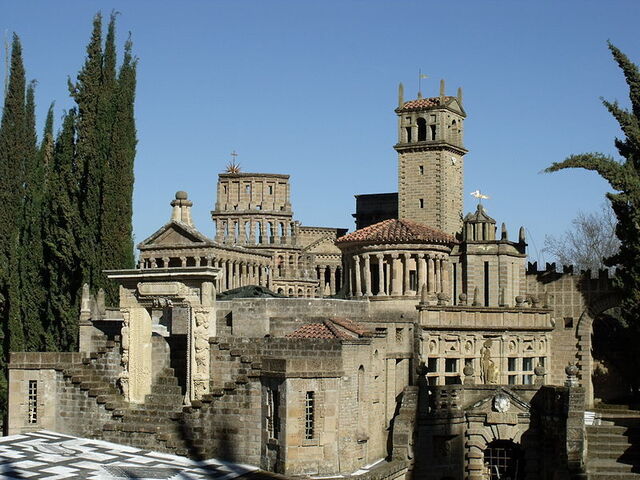
In 1218, we are told that St Francis of Assisi planted a rose and laurel near Montegiove in Umbria. From this spot, a fountain rose up and he built a hut made of “scarza” (a marsh plant) and founded a monastery on the miraculous site. In the 1400s a church and monastic buildings were built in order to celebrate the saint and this act. However, this was abandoned in the 18th century. The buildings and site fell into a state of disrepair and sections were lost until the Milanese architect, Tomaso Buzzi bought it in 1957. He restored the monastery and then went on to build his “ideal city”.
This fantastical city and landscape is bizarre and surreal but truly unique and fascinating.
This fantastical city and landscape is bizarre and surreal but truly unique and fascinating.
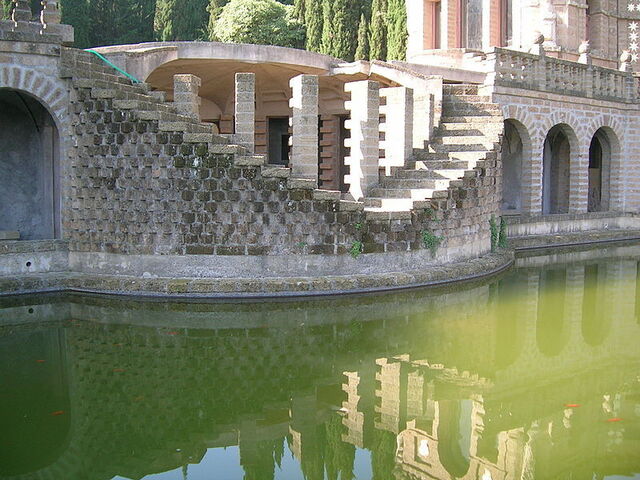
Find a luxury villa in Umbria and spend a day exploring this amazing corner of the world.
Buzzi spent over twenty years planning and building his city. He was a leading architect and artist of his time. His professional work was known for a note of irreverence and use of humanistic, literary and classical allusions. Scarzuola's additions began when he retired and it became an autobiography of sorts of his career. After restoring the existing buildings of the monastery, Buzzi set to work on the lands around, turning them into a work of art. The gardens are comprised of mazes, statuary, fountains and exotic plants – this came to be his “sacred city”.
Buzzi spent over twenty years planning and building his city. He was a leading architect and artist of his time. His professional work was known for a note of irreverence and use of humanistic, literary and classical allusions. Scarzuola's additions began when he retired and it became an autobiography of sorts of his career. After restoring the existing buildings of the monastery, Buzzi set to work on the lands around, turning them into a work of art. The gardens are comprised of mazes, statuary, fountains and exotic plants – this came to be his “sacred city”.
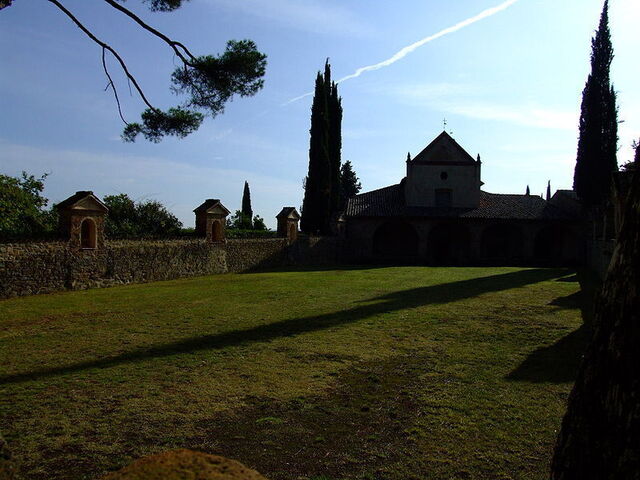
His next addition, the “profane city” was the surreal city that he plucked from his imagination and for which the site is famous. The Cittá Buzziana, as it was dubbed, is a mixture of Classical, Gothic, Renaissance, and Mannerist styles built around a natural amphitheatre in the hillside and made up of seven theatres, an Acropolis, the Tower of Babel, the Arch of Triumph, meditation grottoes, pagan temples and a monumental nude. Staircases often lead nowhere, proportion is warped. The buildings have astounding façades but are actually empty inside. However, don't allow the appearance to make you think that there is anything incidental or random about the city. Meaning and symbolism abounds and everything was meticulously planned.
Buzzi died in 1981 and his unfinished plans have since been brought to life by his nephew, Marco Solari, who inherited the site and continued his uncle's work. He also now gives guided tours of the attraction, explaining the layers of meaning that others might miss and none would know so intimately. Bookings can be made throughout the year but groups need to have at least eight people and should contact Solari.
Truly unique and undeniably spectacular, La Scarzuola and the Cittá Buzziana are something very much off the beaten track but well worth visiting. If you ever find yourself in Umbria, do stop by.
Buzzi died in 1981 and his unfinished plans have since been brought to life by his nephew, Marco Solari, who inherited the site and continued his uncle's work. He also now gives guided tours of the attraction, explaining the layers of meaning that others might miss and none would know so intimately. Bookings can be made throughout the year but groups need to have at least eight people and should contact Solari.
Truly unique and undeniably spectacular, La Scarzuola and the Cittá Buzziana are something very much off the beaten track but well worth visiting. If you ever find yourself in Umbria, do stop by.
Photo credits
picture 1: LigaDue / CC BY 3.0;
picture 2: Binomio77 / CC BY-SA 3.0
picture 1: LigaDue / CC BY 3.0;
picture 2: Binomio77 / CC BY-SA 3.0