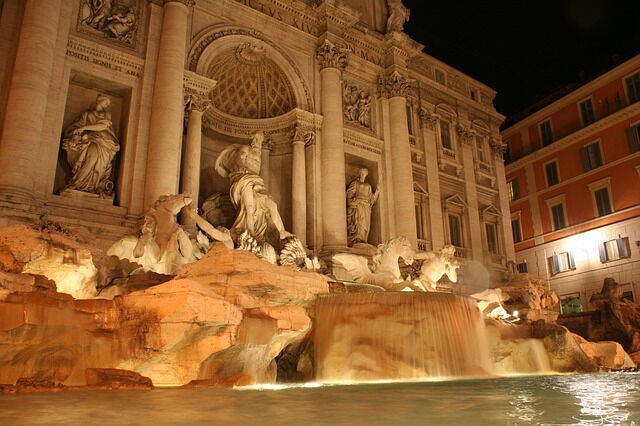
The rebirth of Rome’s status in the Renaissance was a spectacular affair. At the start of the 15th century, Rome was a shadow of its former self when it was once the headquarters of the mighty Roman Empire. It had a population of approximately one million around the first century which diminished to around 25,000 at the start of the 15th century.
Why not stay in a stylish apartment in Rome city where you can walk around the splendid building inspired by the lavish style of Renaissance architecture?
No longer an urban centre of strong commerce or influence, Rome was left to disintegrate further when the Catholic papacy that had been a major advocate of the cities riches, moved to Avignon in France during the 14th century, leaving behind a decaying urban mess.
Why not stay in a stylish apartment in Rome city where you can walk around the splendid building inspired by the lavish style of Renaissance architecture?
No longer an urban centre of strong commerce or influence, Rome was left to disintegrate further when the Catholic papacy that had been a major advocate of the cities riches, moved to Avignon in France during the 14th century, leaving behind a decaying urban mess.

In 1420, it returned under the rule of Pope Martin V and through the following centuries, great efforts were made to rebuild Rome in likeness of its former glory. Catholic church leaders took a great interest in the advances of the Renaissance movement and were keen to get a taste of the action.
With the appointment of Pope Nicholas V in 1447, the spark began to ignite!
He was originally a Tuscan monk before coming pope and had established strong connections with the Medici family, especially Cosimo de Medici, the powerful Florentine banker. Cosimo sponsored Nicholas large sums of money to help revitalise Rome and as a reward, he was later appointed as papal banker.
With the appointment of Pope Nicholas V in 1447, the spark began to ignite!
He was originally a Tuscan monk before coming pope and had established strong connections with the Medici family, especially Cosimo de Medici, the powerful Florentine banker. Cosimo sponsored Nicholas large sums of money to help revitalise Rome and as a reward, he was later appointed as papal banker.
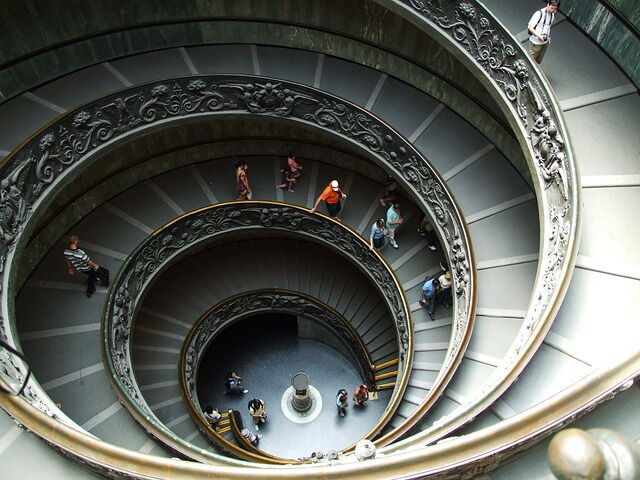
He set about gathering massive volumes of important literature documents, artistic treasures and other intriguing artefacts for the Vatican library, knowing full well the power held within knowledge and secrets. He helped instil a great sense of learning and intellectualism throughout the city to build its status in the Renaissance movement.
In eight short years, the city was transformed into a glittering city of renewed glamour and influence. But as the wealth and fame grew, so too did Vatican control over the city of Rome and the rest of Italy and Europe in centuries to come.
Why not read through our other fascinating articles on the Renaissance and the place of its birth; Florence city in Tuscany?
In eight short years, the city was transformed into a glittering city of renewed glamour and influence. But as the wealth and fame grew, so too did Vatican control over the city of Rome and the rest of Italy and Europe in centuries to come.
Why not read through our other fascinating articles on the Renaissance and the place of its birth; Florence city in Tuscany?