Property Description
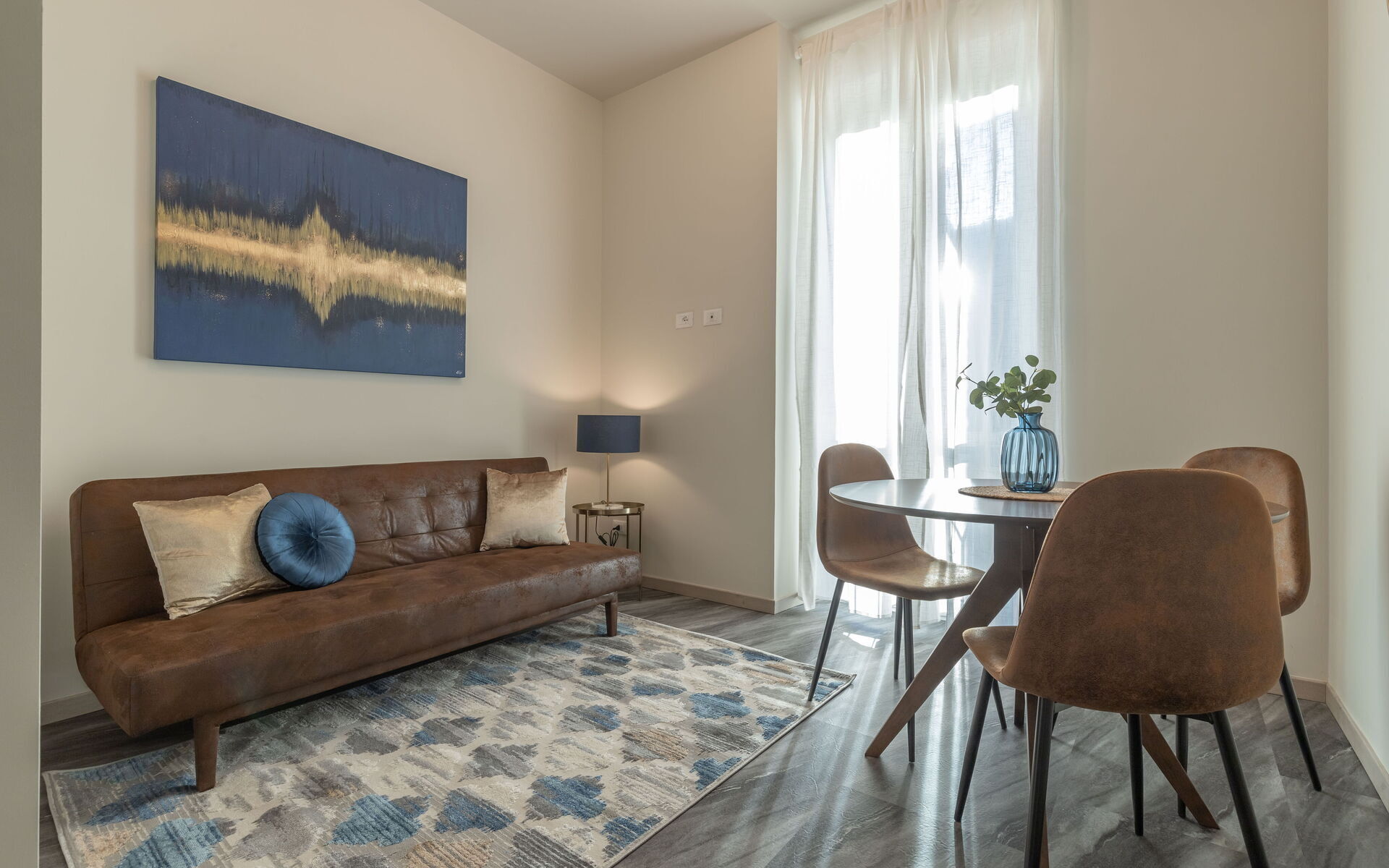
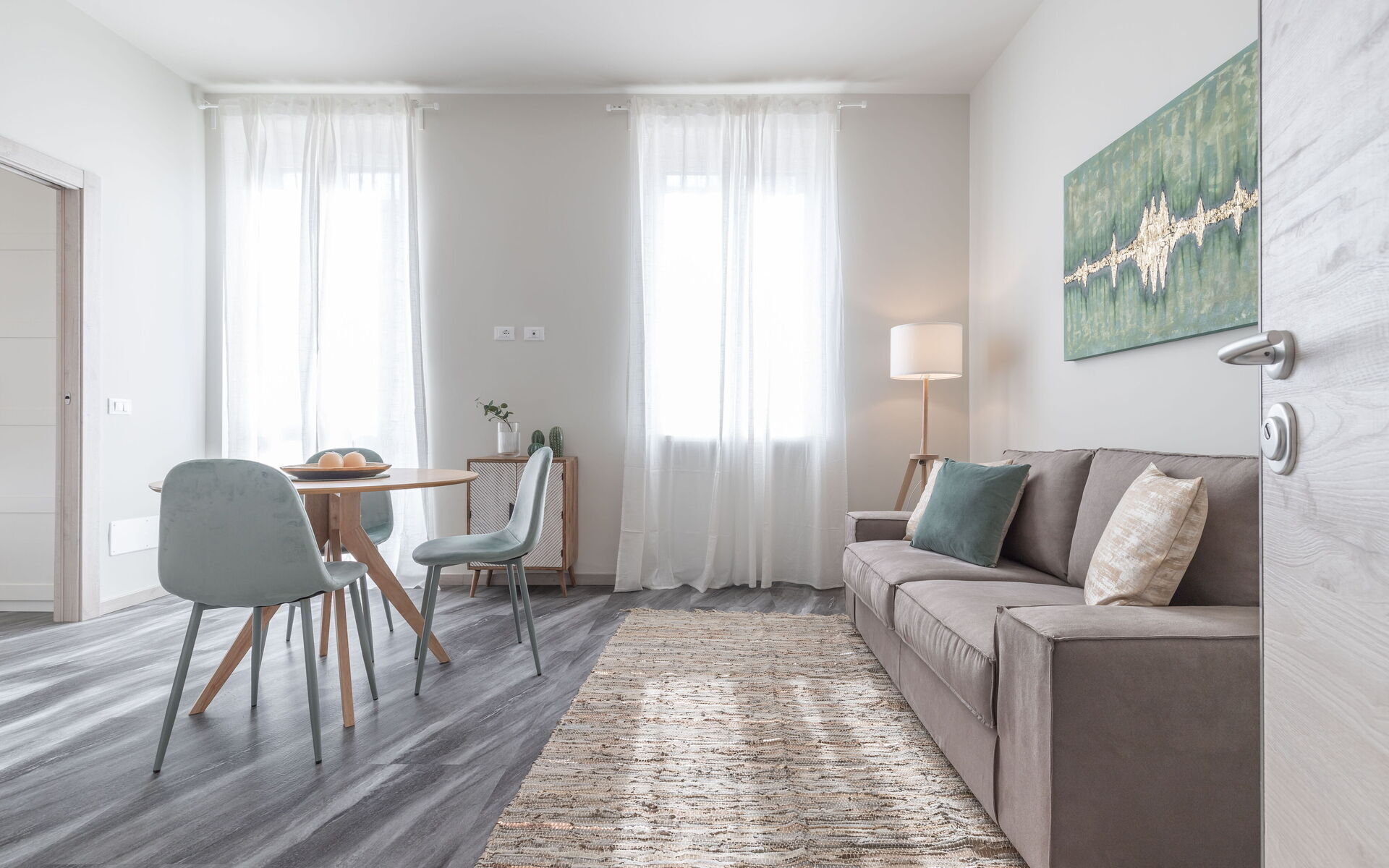
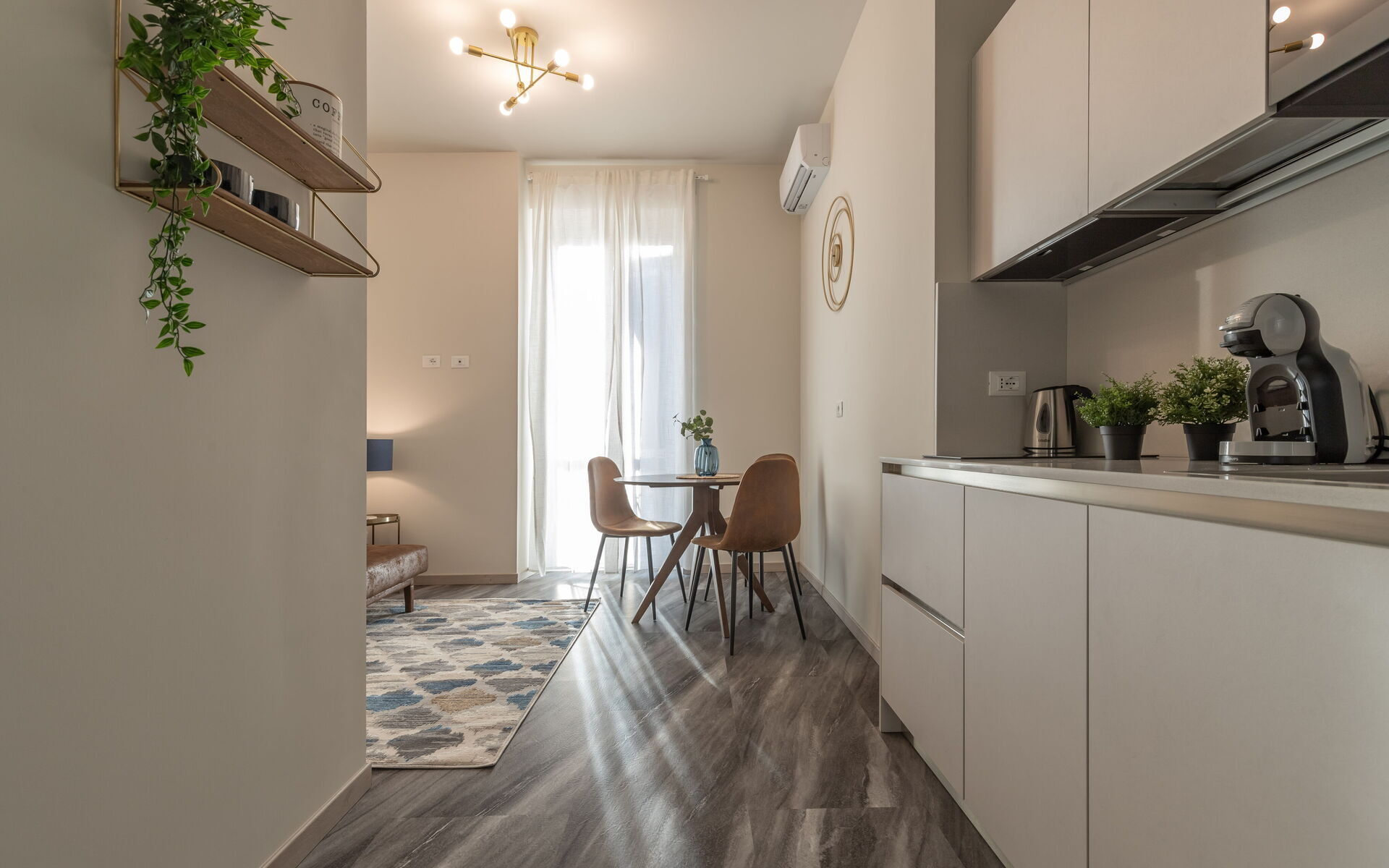
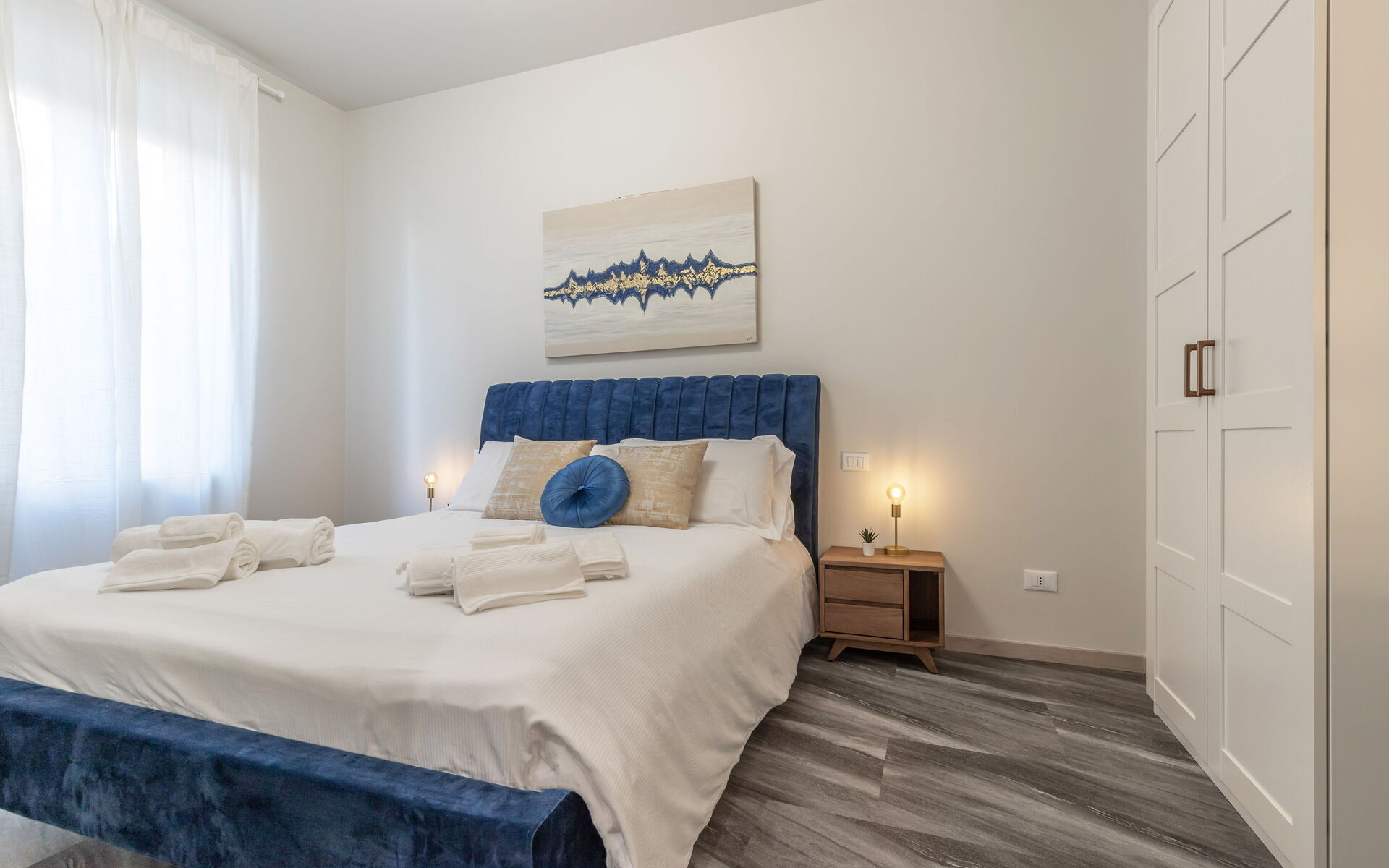
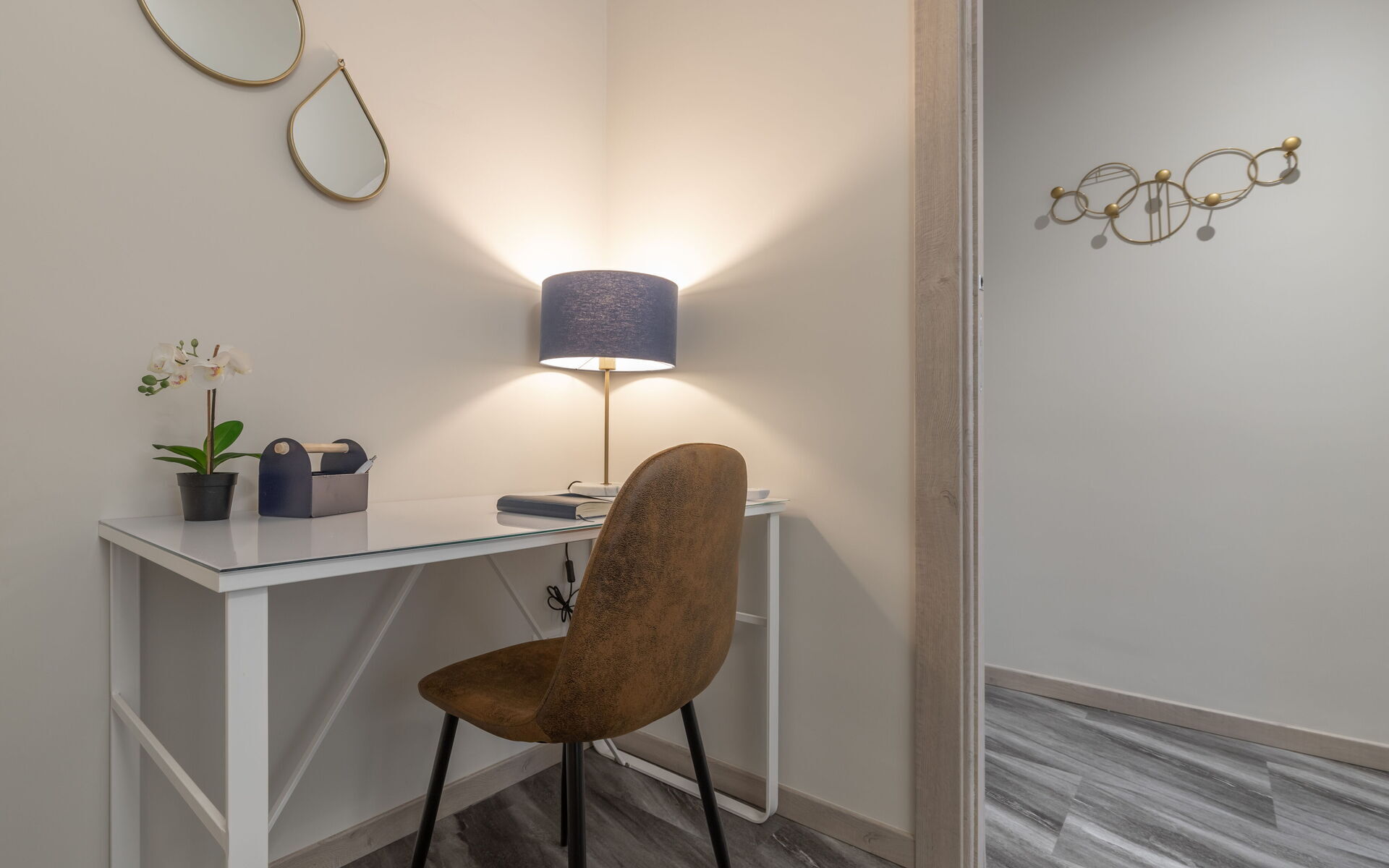
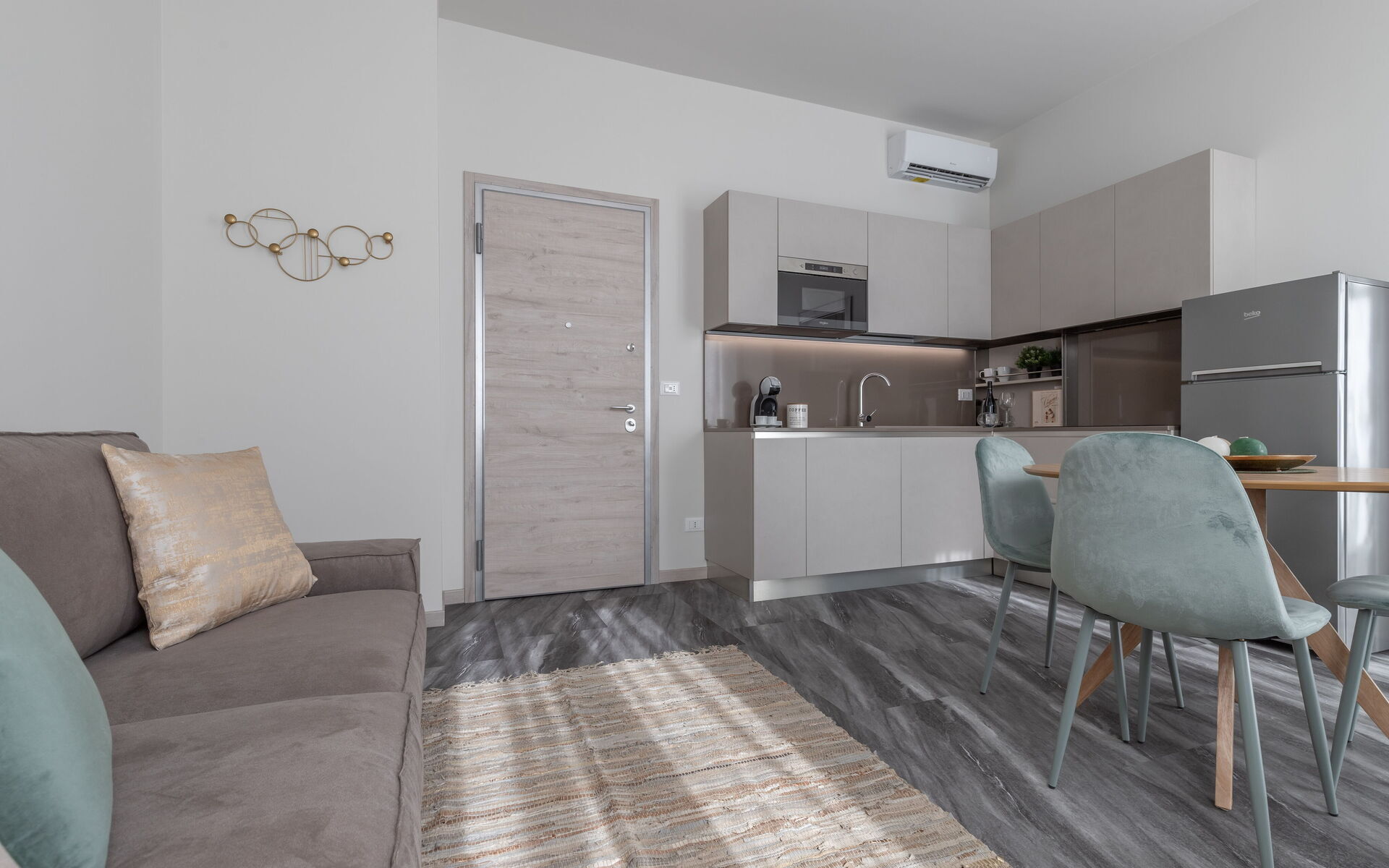
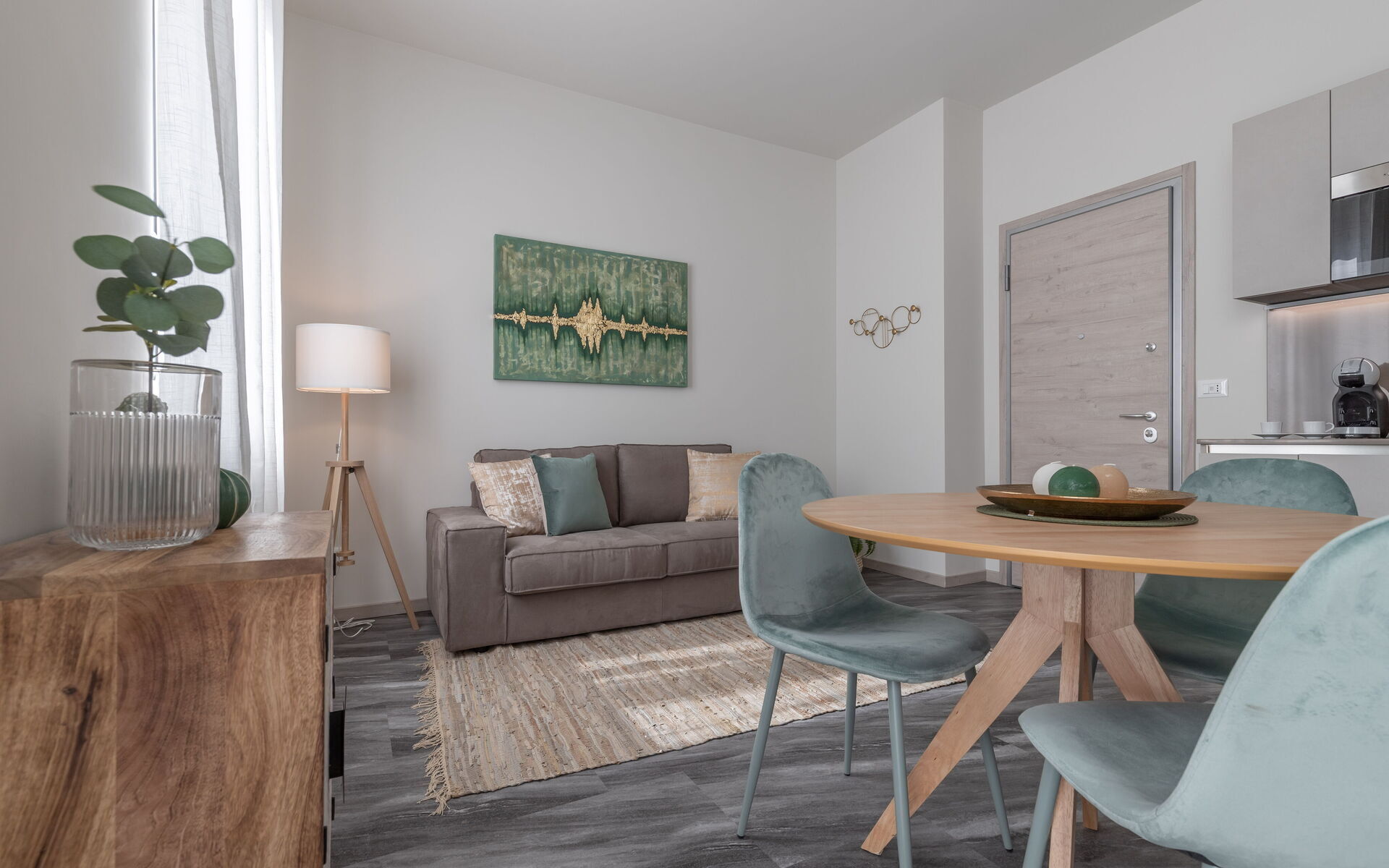
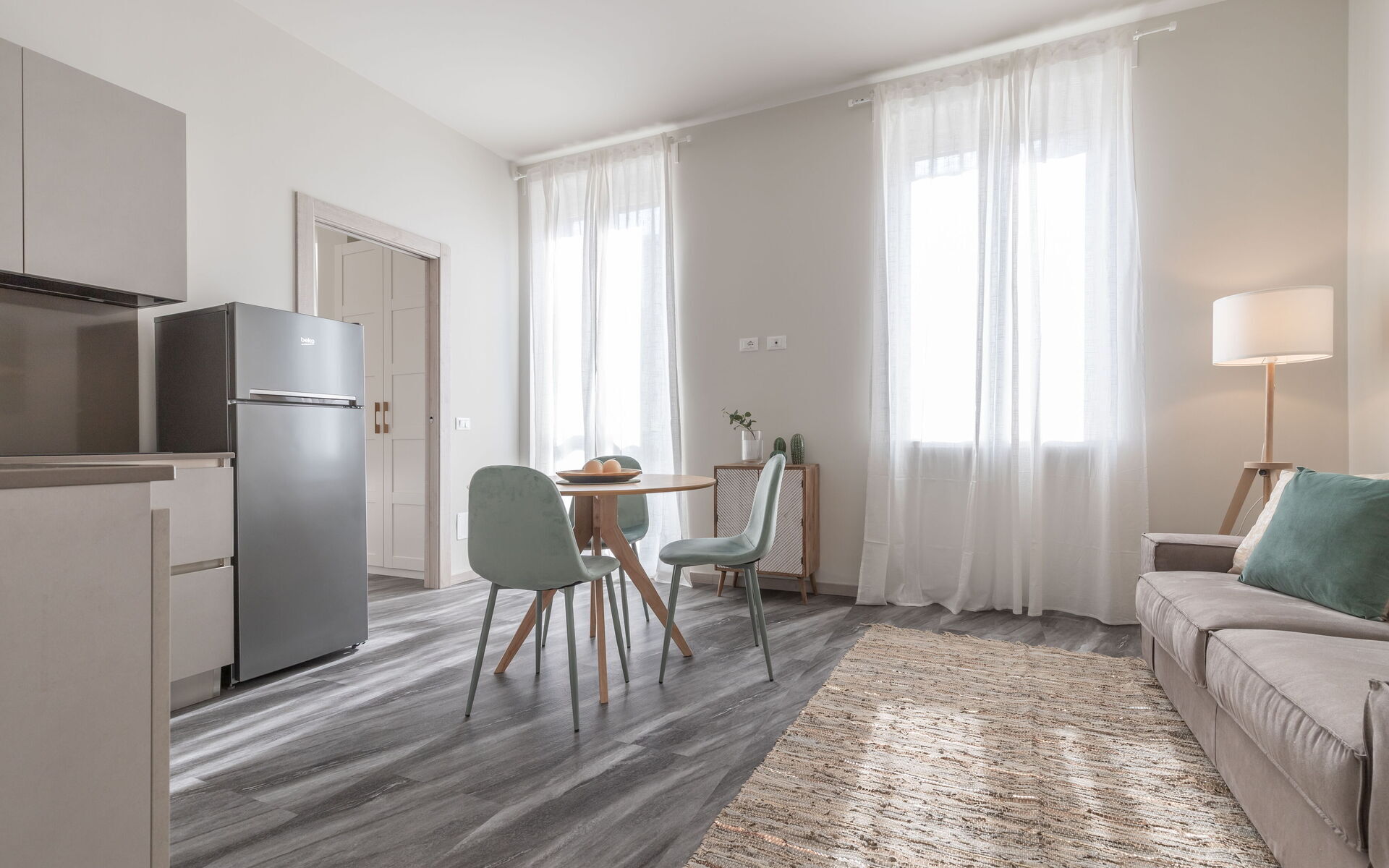
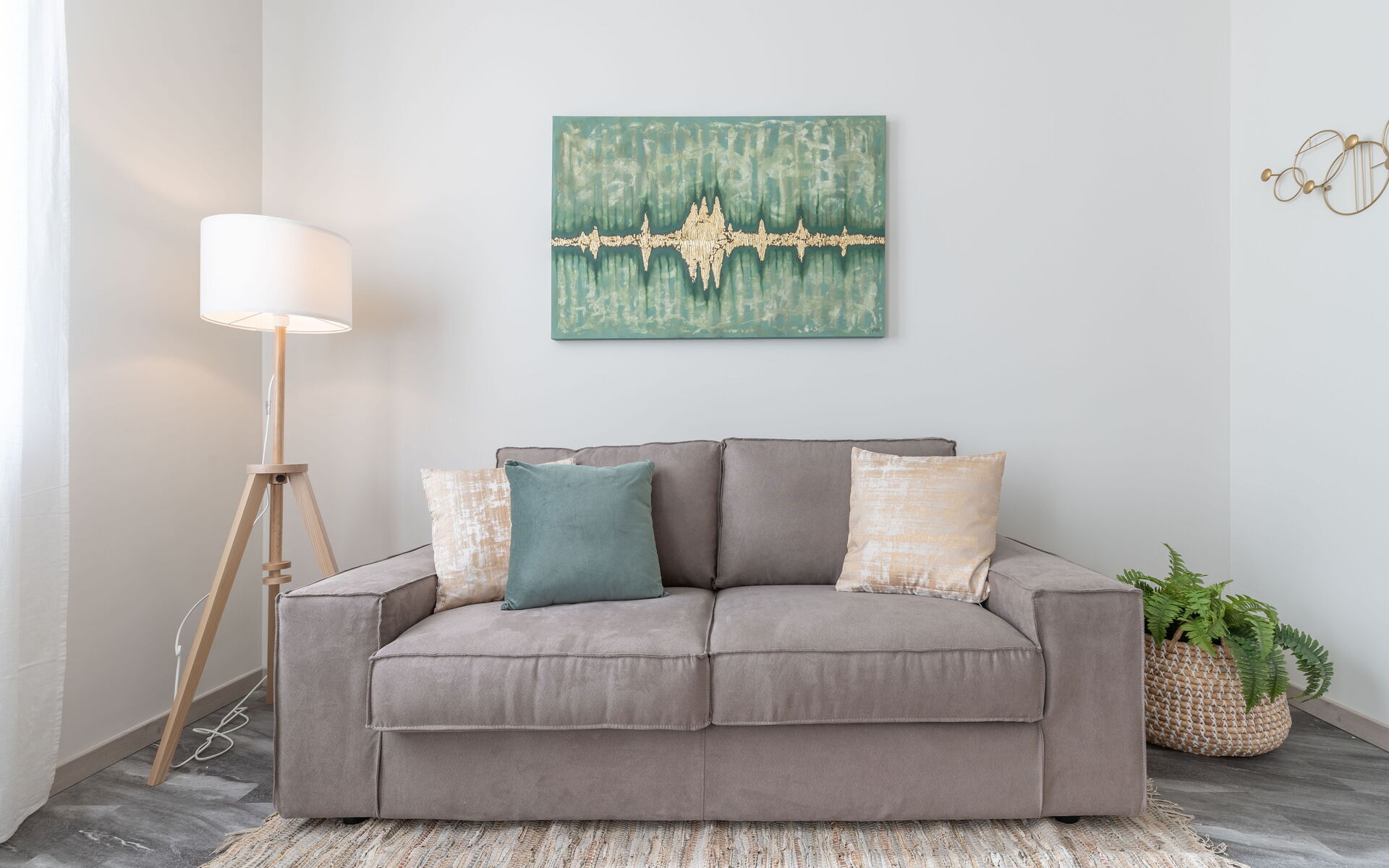
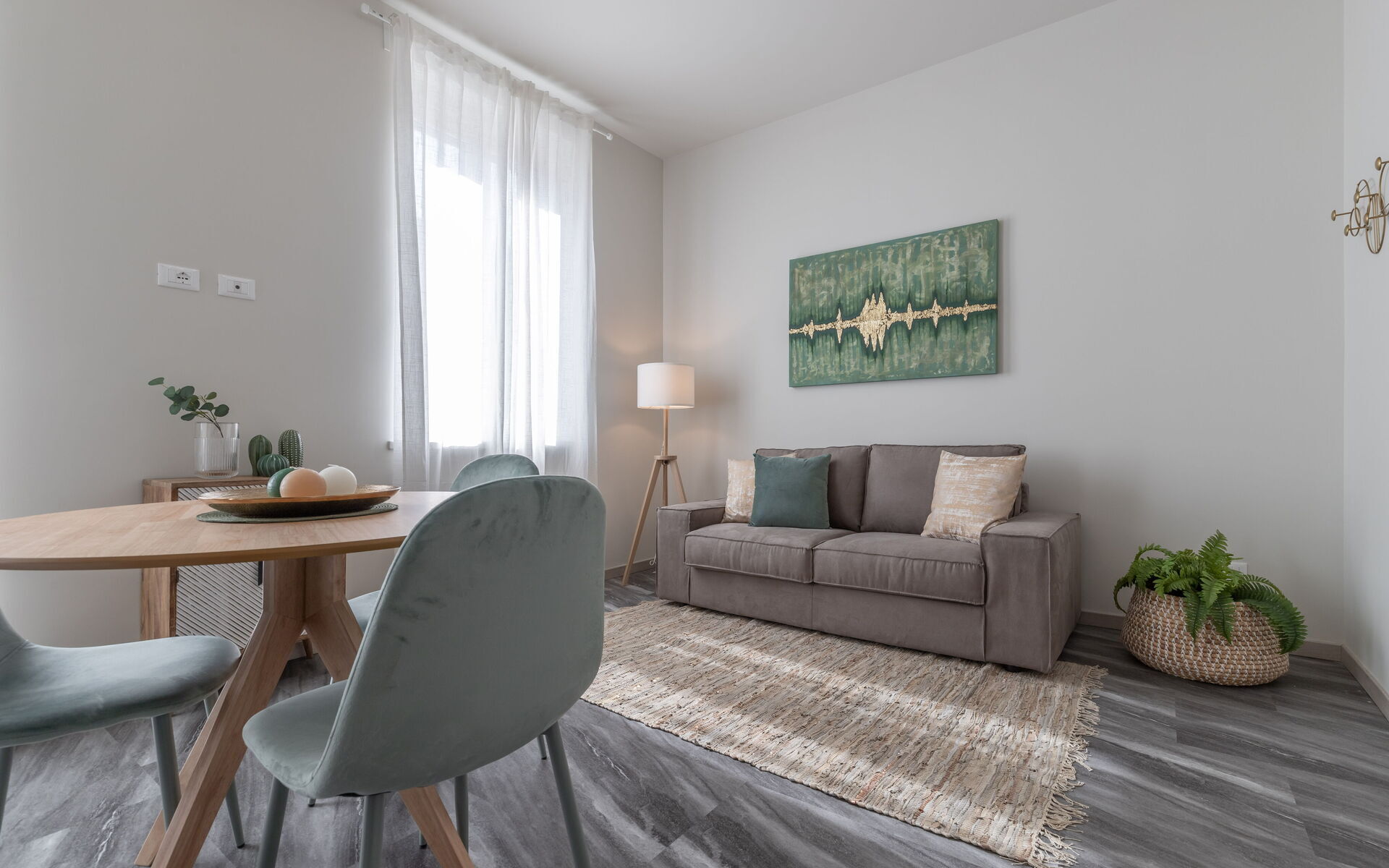
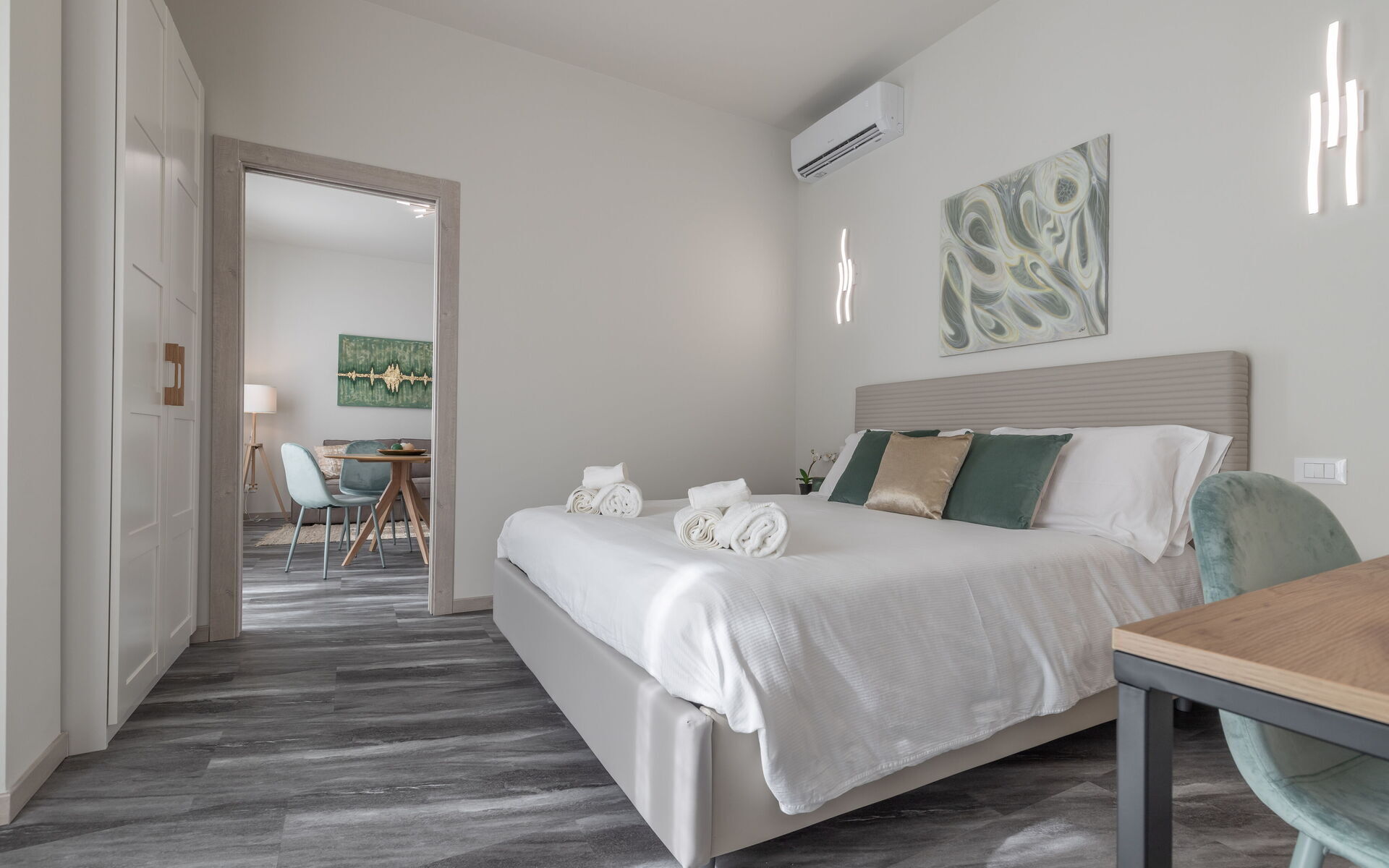
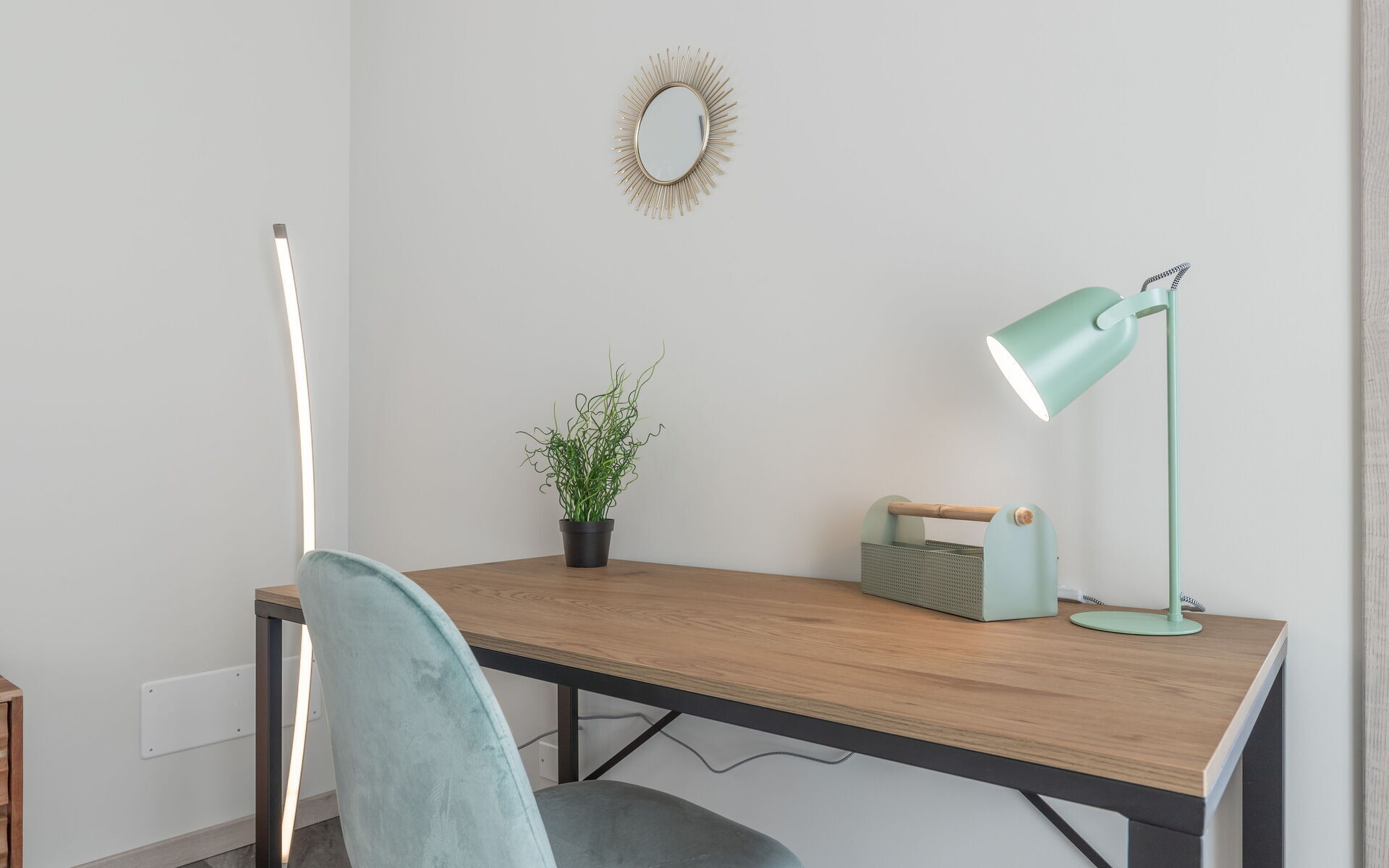
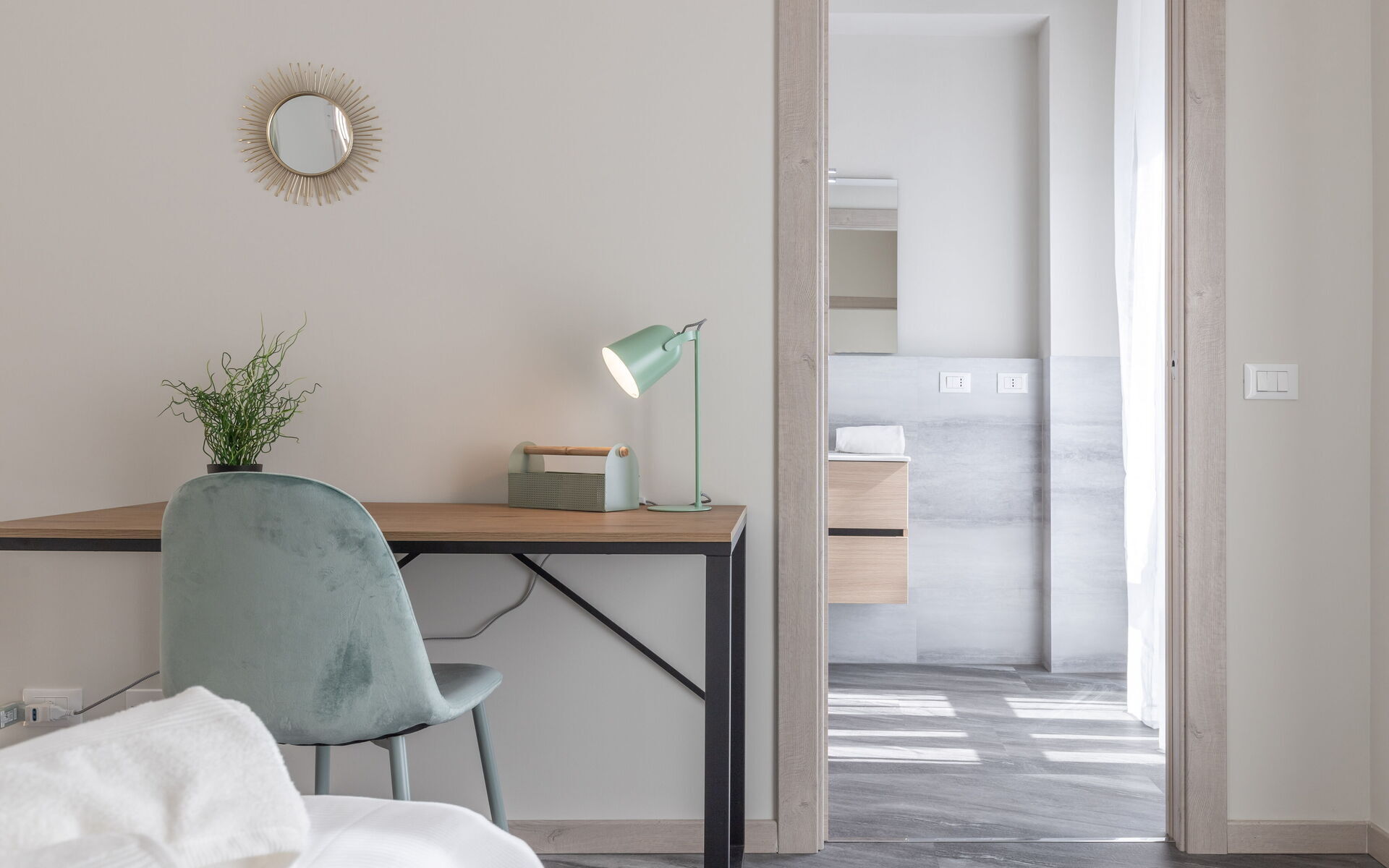
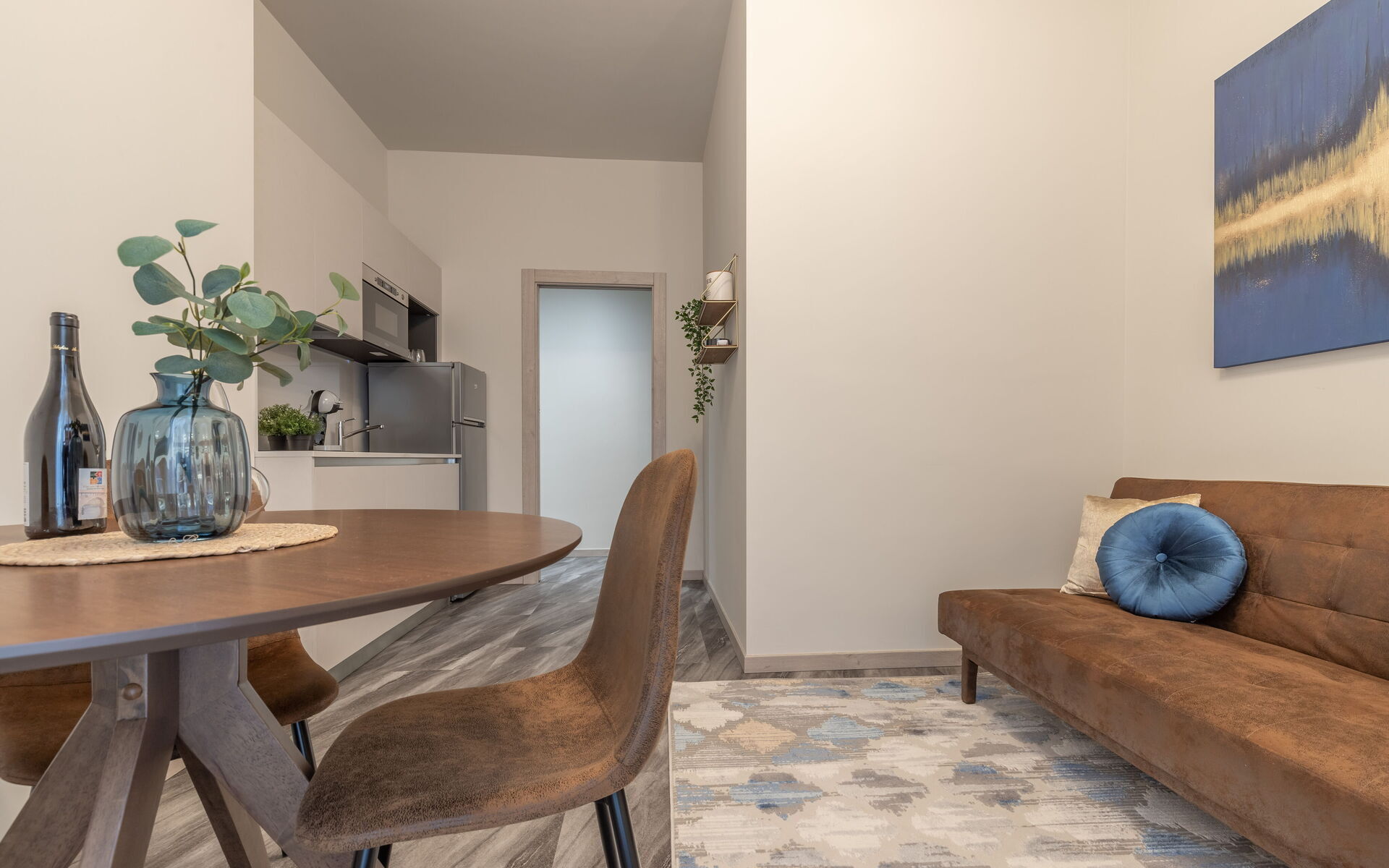
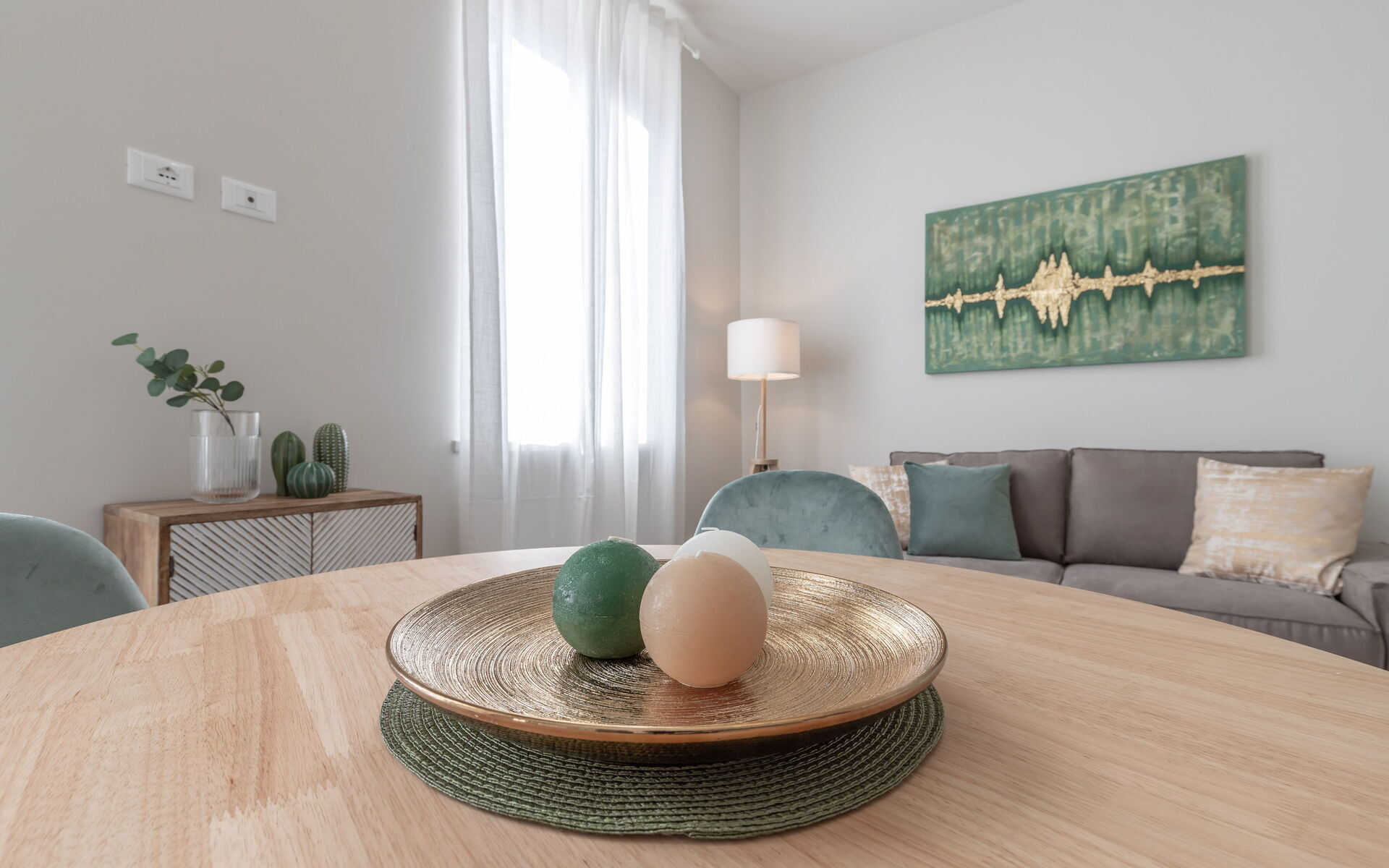
Conveniently located in the centre of Pavia, Italy and only 43 km (27 mi) from Milan. Vacation rental Suite Leonardo Da Vinci is a lovely property (100 sq m) that includes WiFi internet and air conditioning. The property can accommodate up to four people comfortably in two bedrooms with two bathrooms.
Your Experience
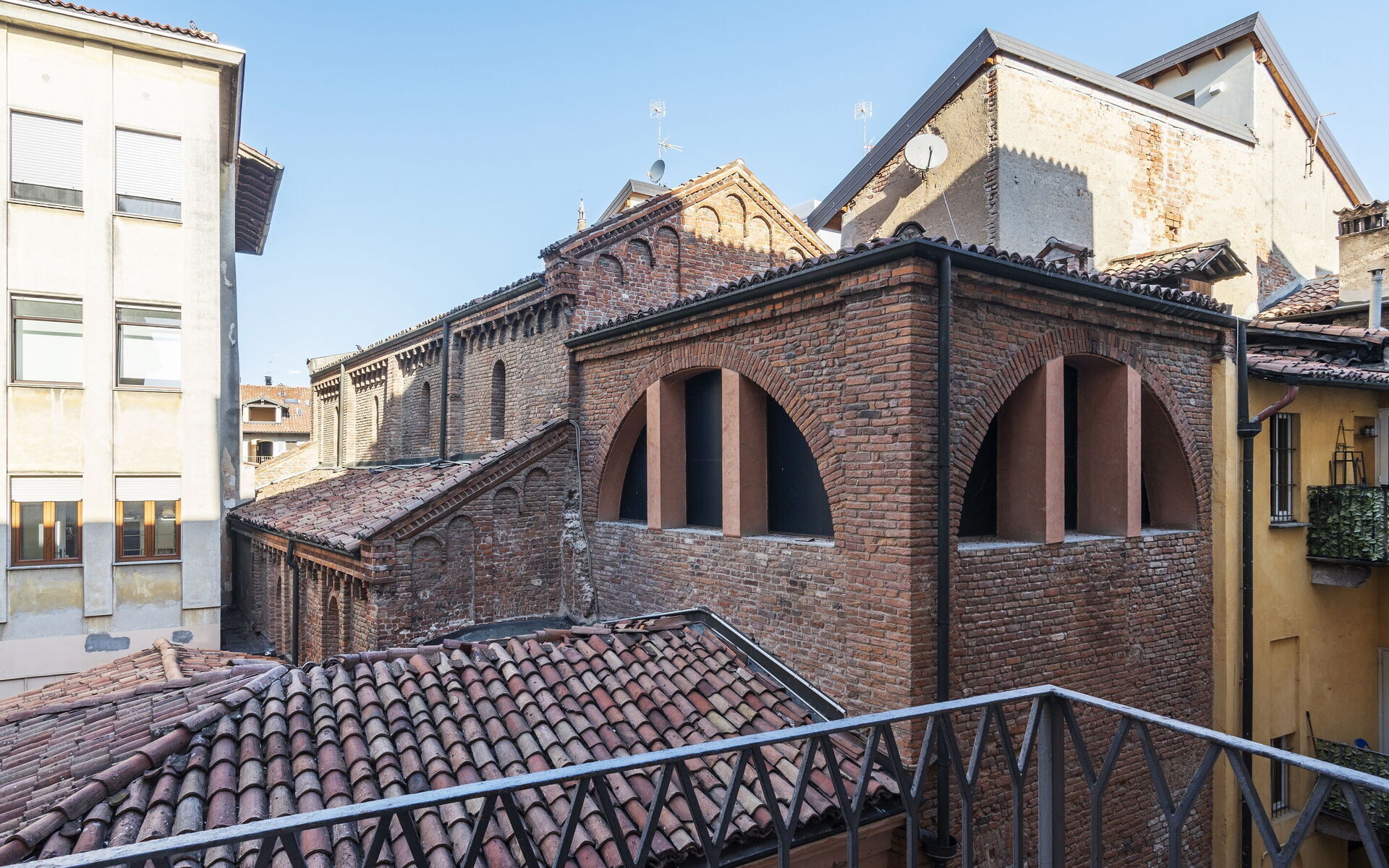
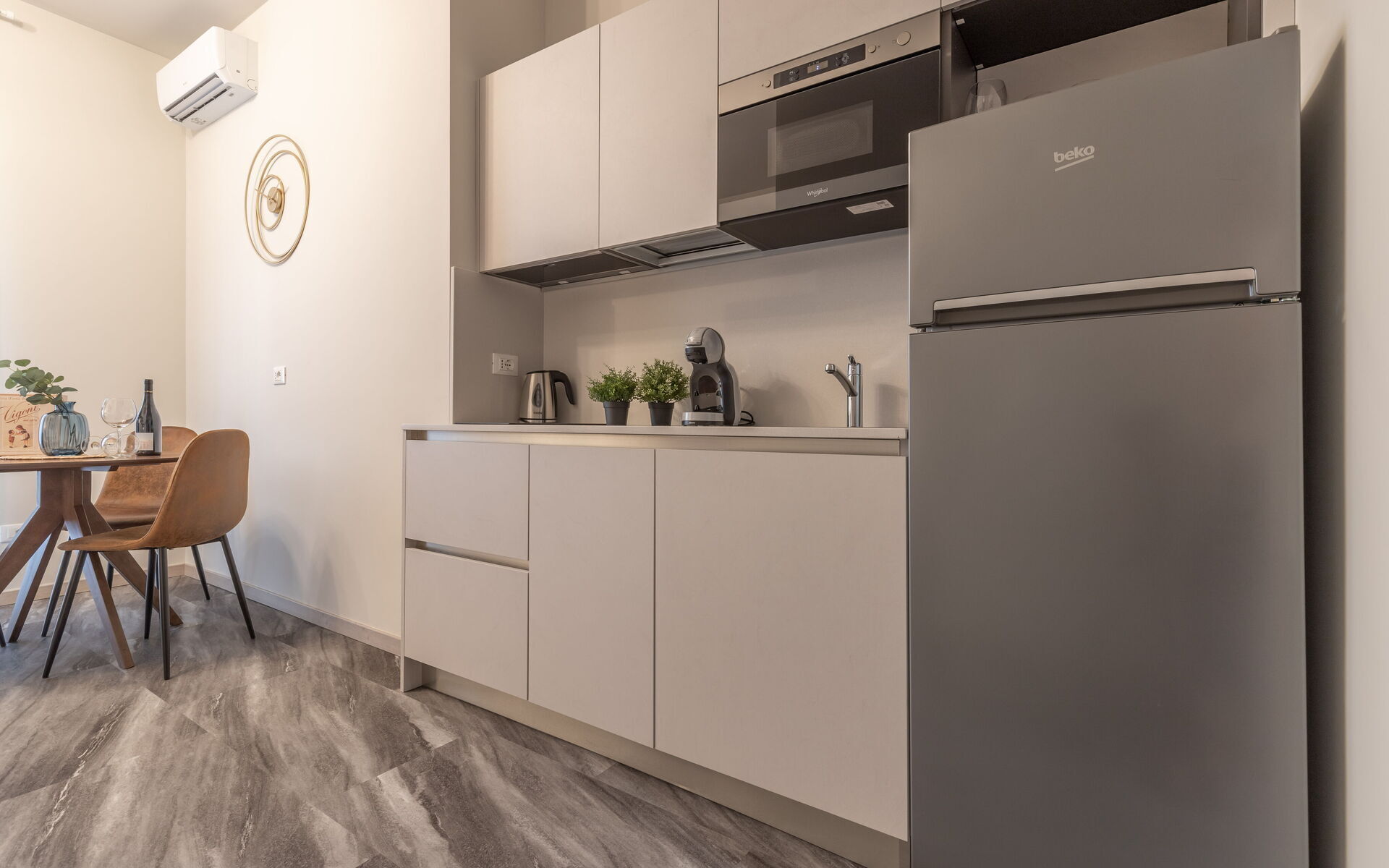
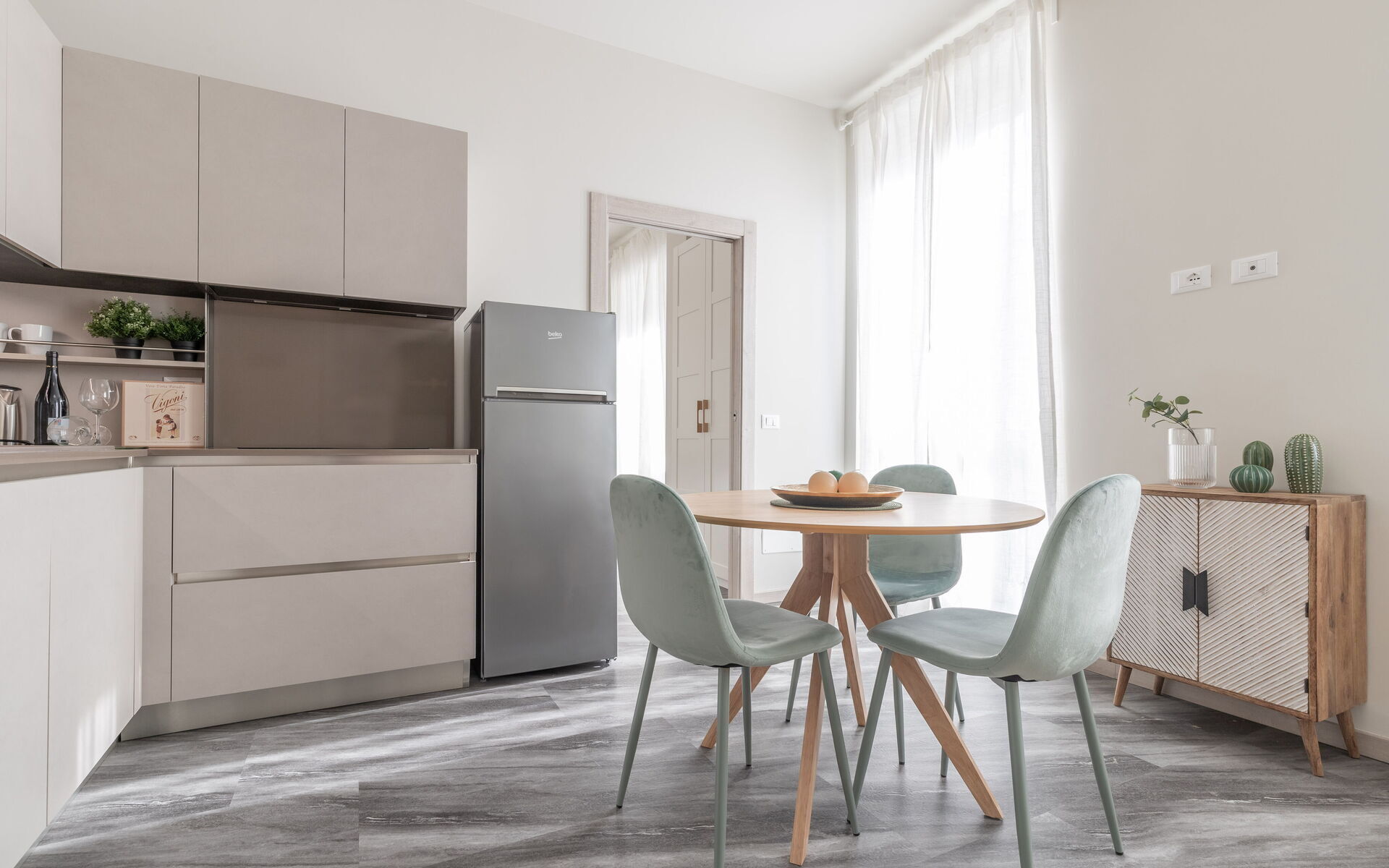
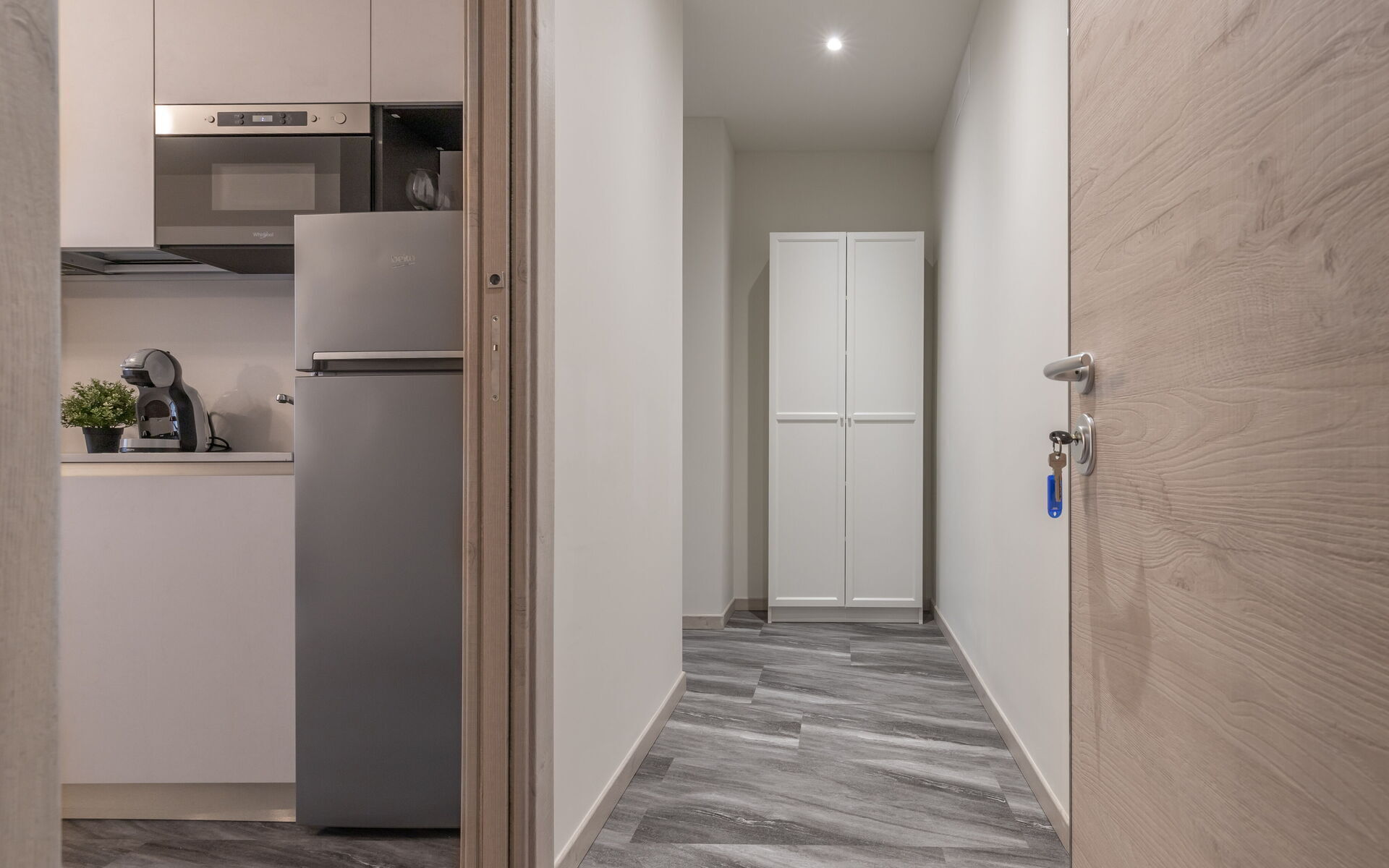
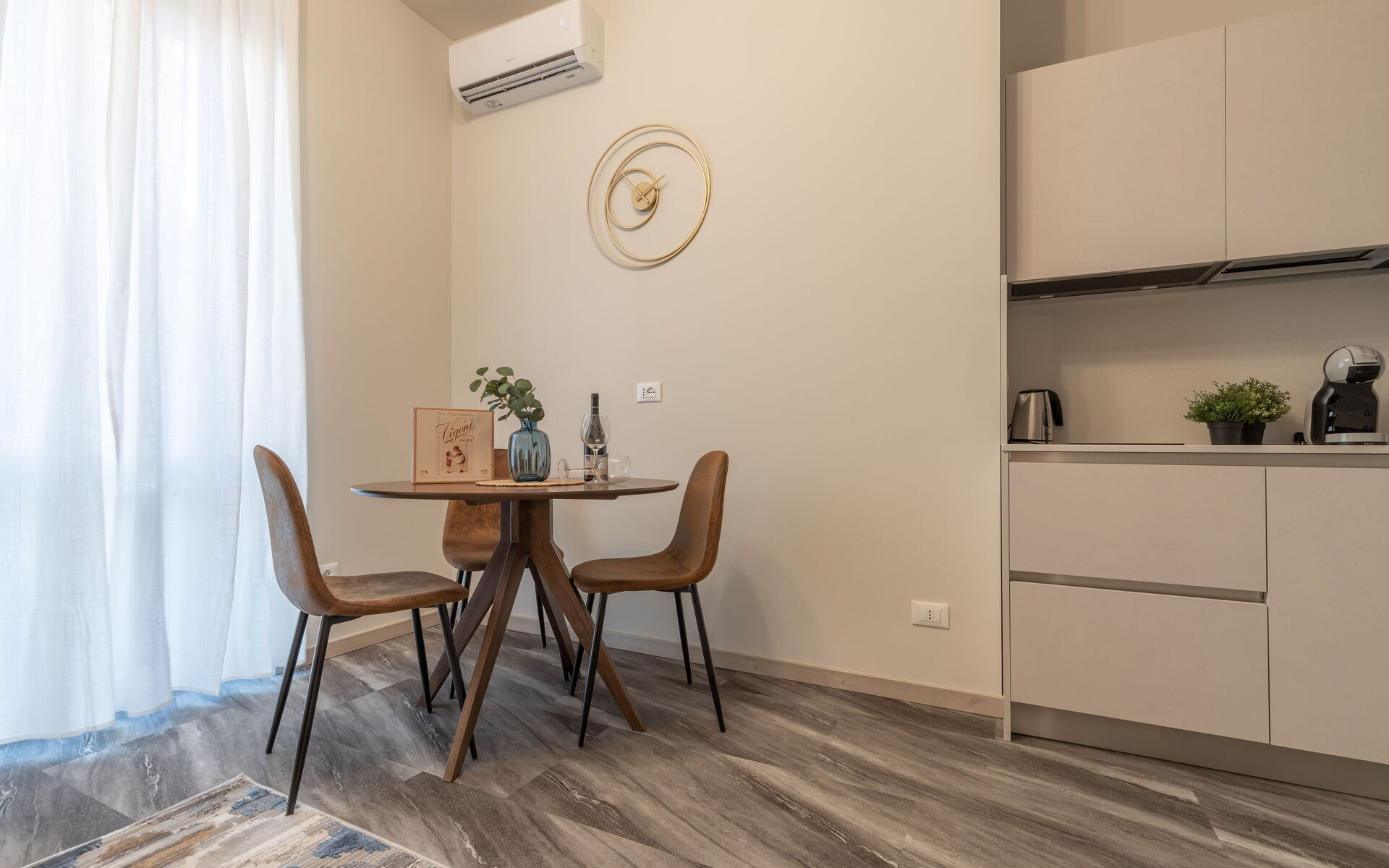
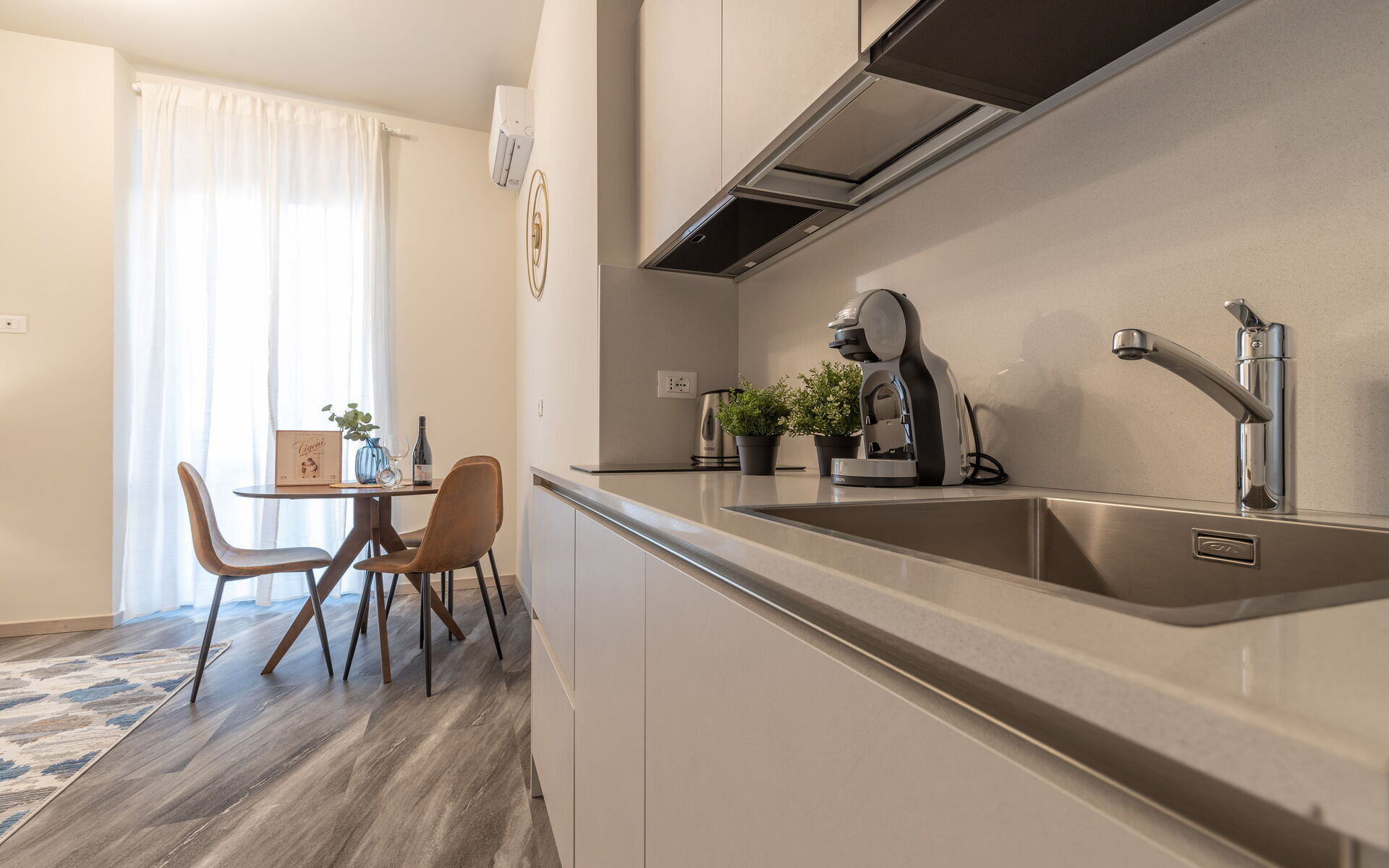
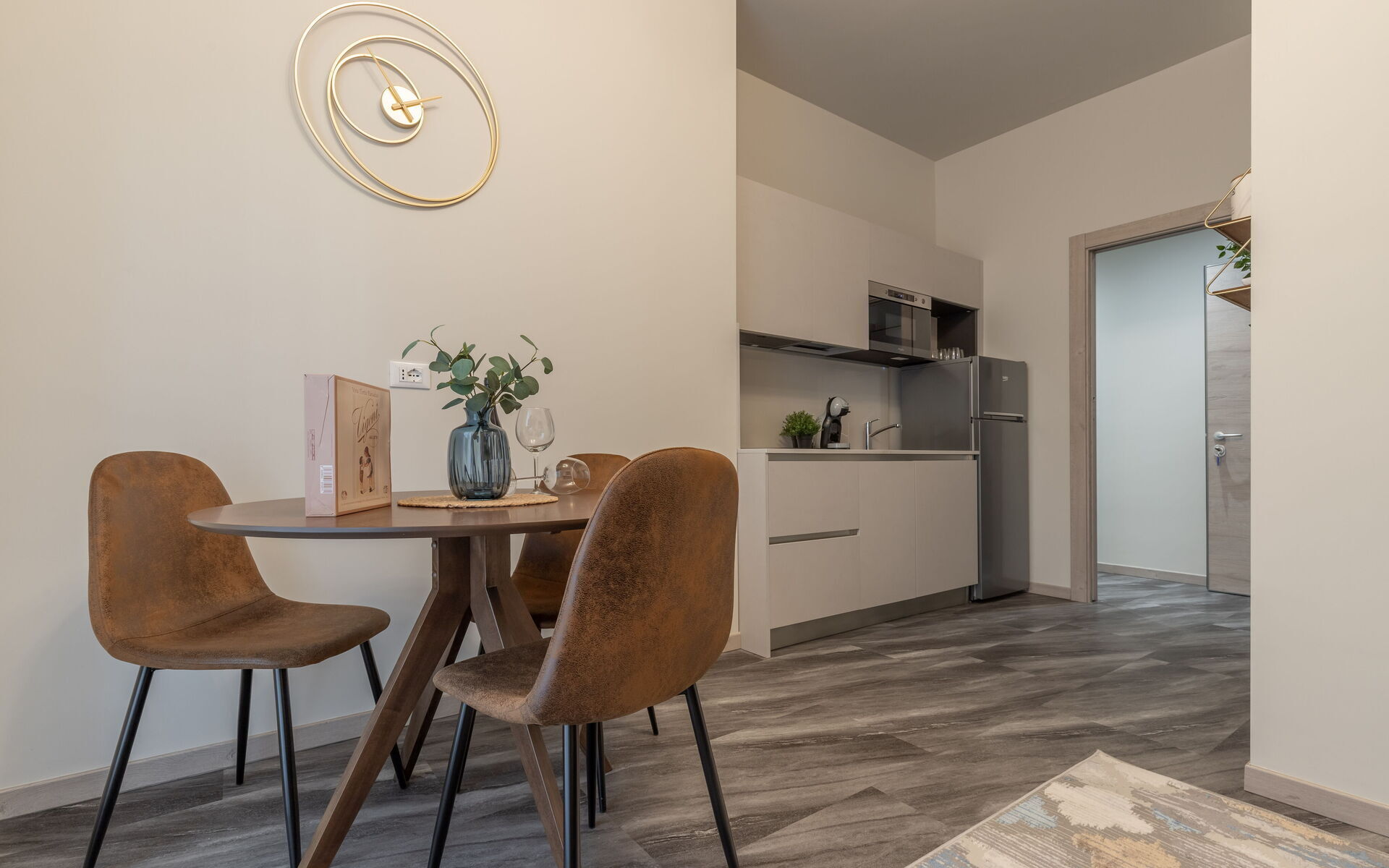
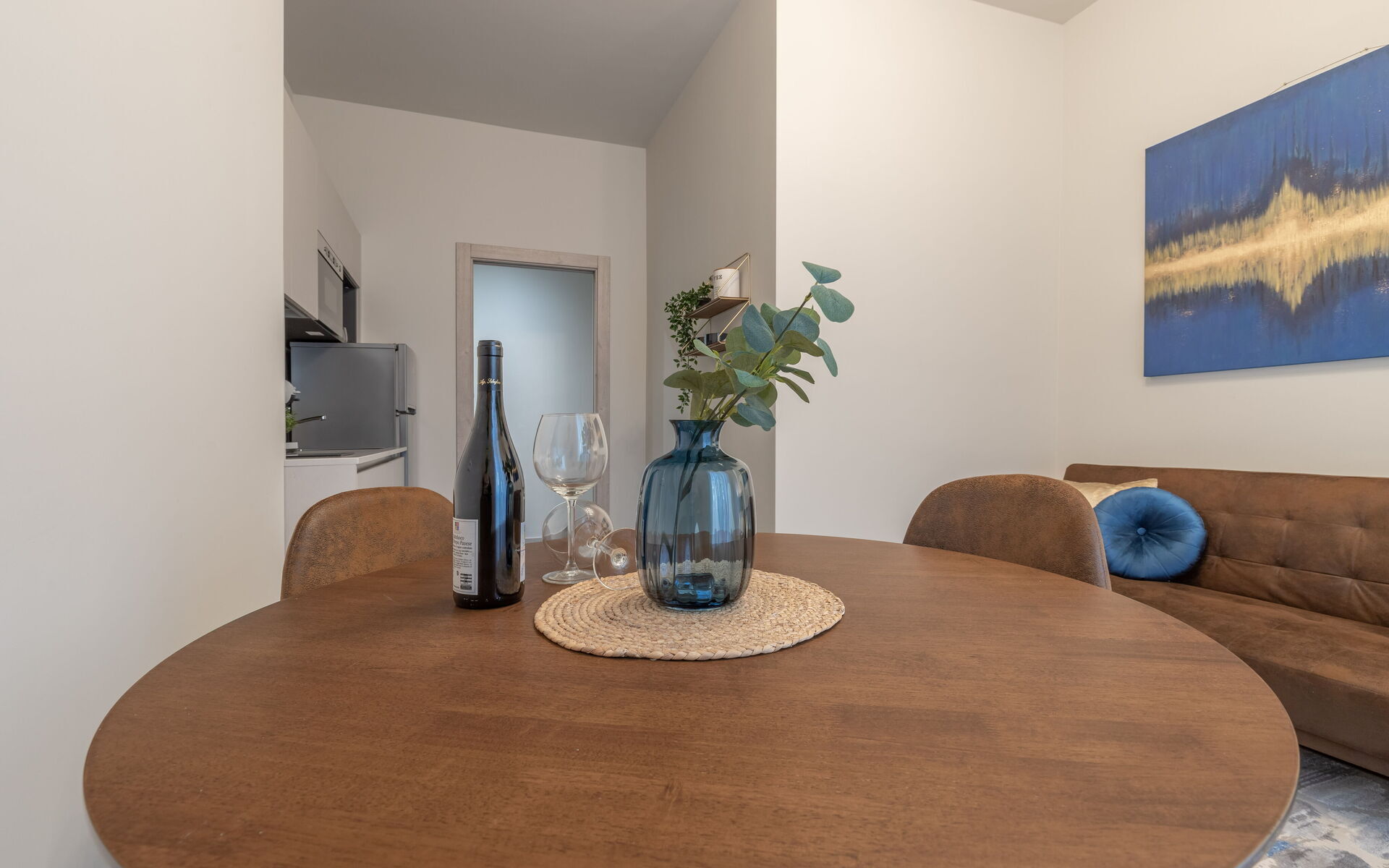
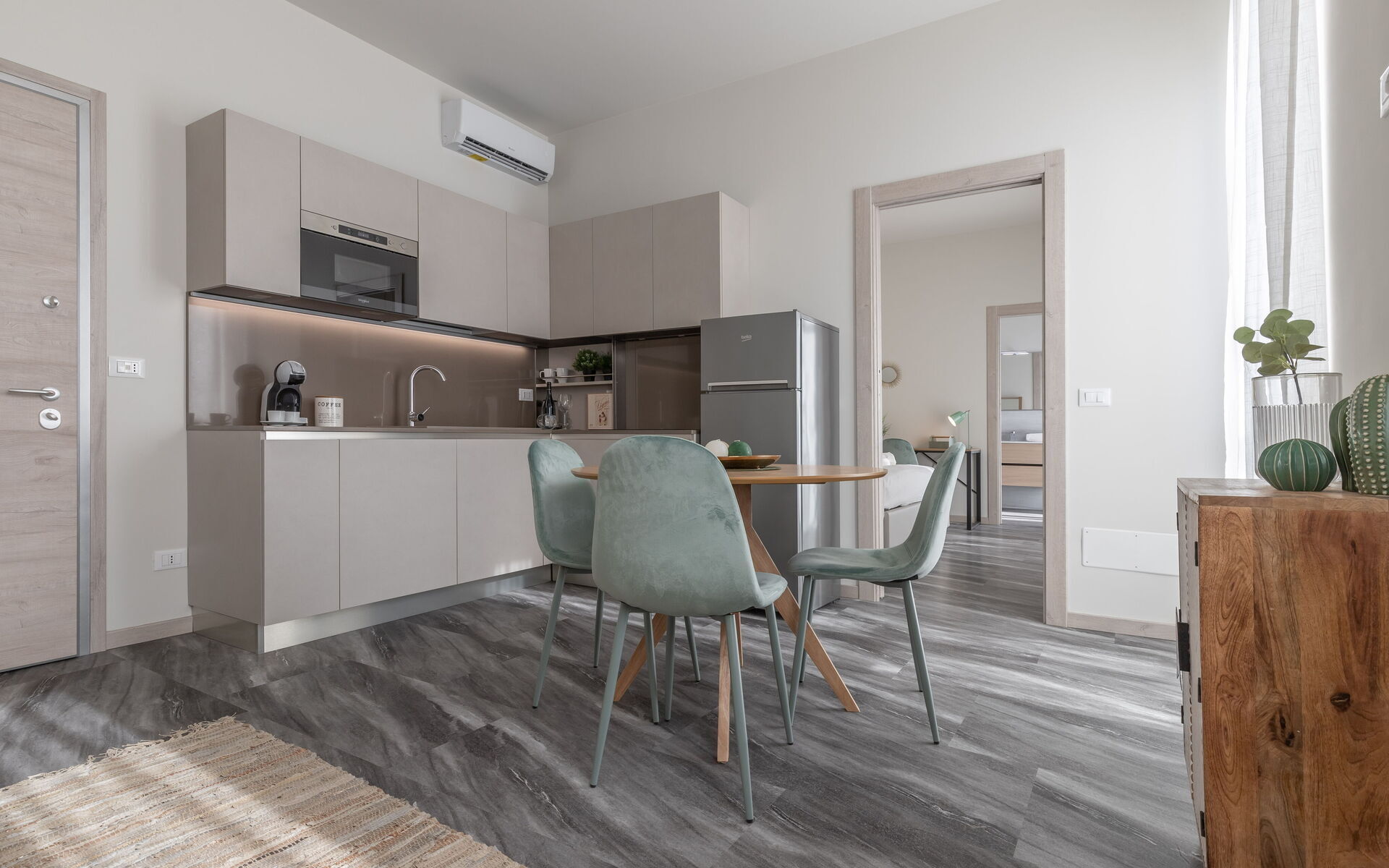
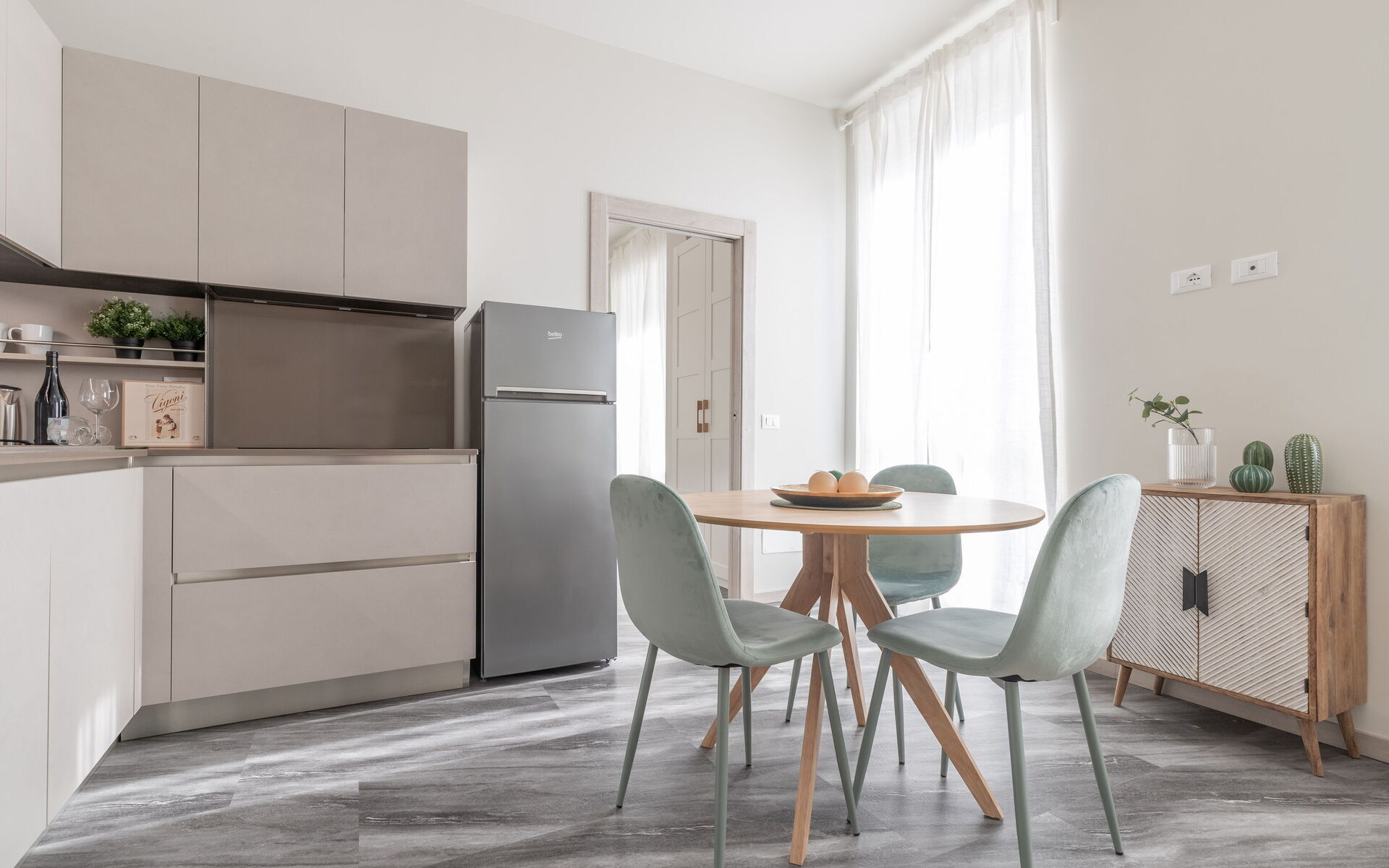
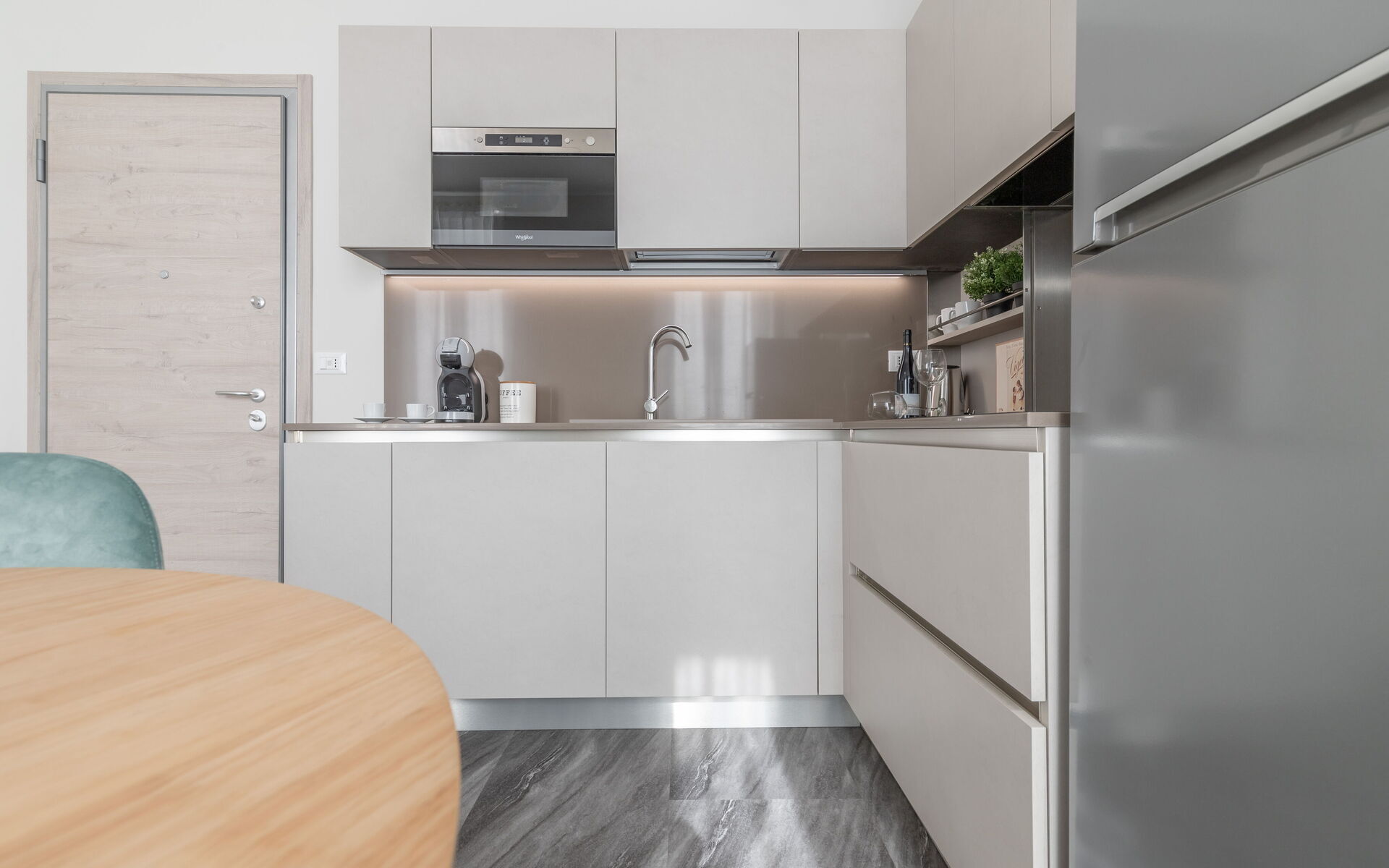
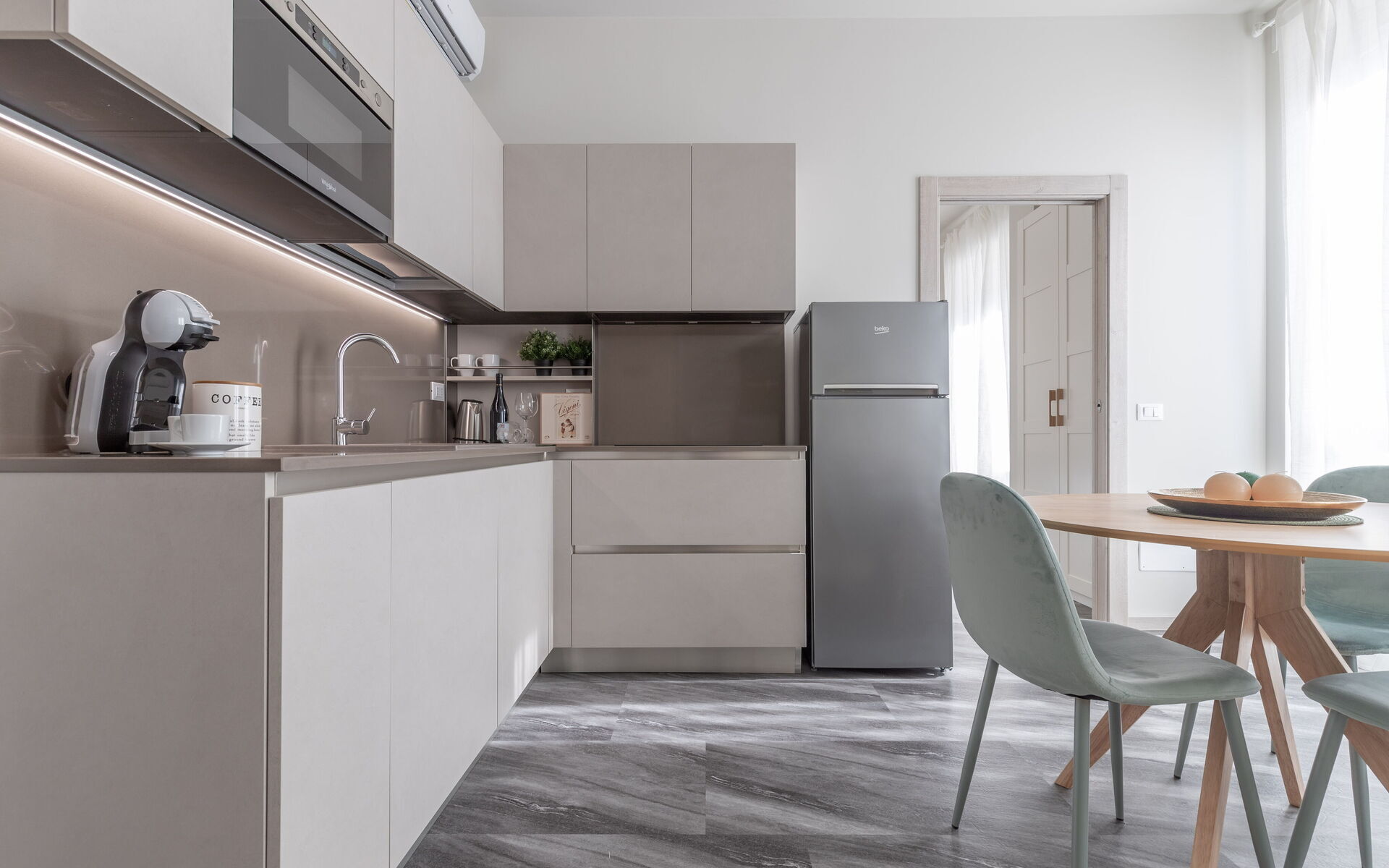
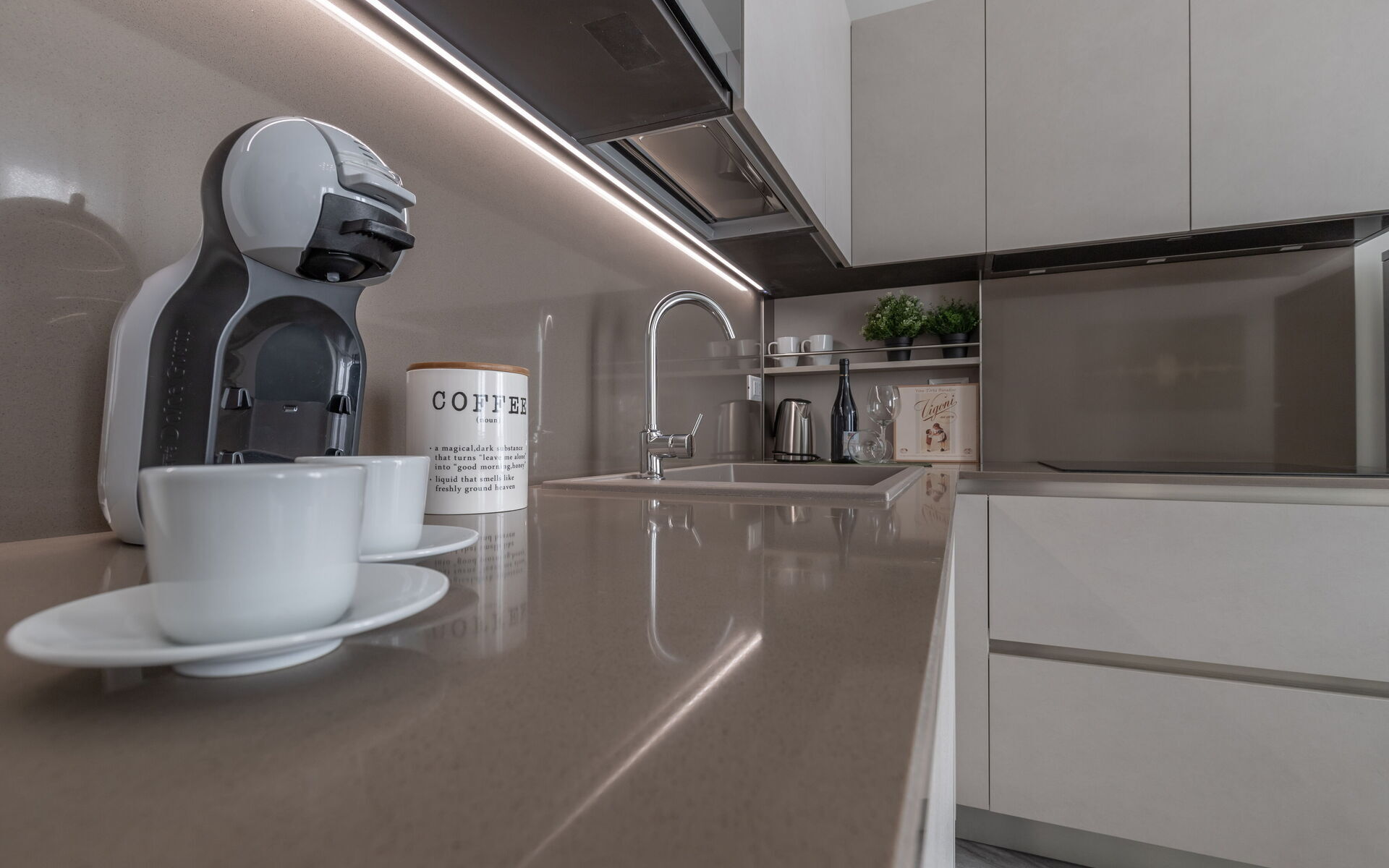
Upon arrival you will be welcomed by the owner or manager where you’ll find a lovely clean well-maintained property with views of the city perfect for a splendid holiday in Lombardy. After a hectic day of shopping, spend some time with friends and family enjoying a glass of wine - a perfect way to unwind at the end the day. Dining with friends and family is a big part of the Italian culture. Take advantage of the well-equipped kitchen to prepare meals using local produce while on your vacation. The kitchen includes coffee machine, microwave, stove and refrigerator, as well as, plenty of tableware and cutlery for up to four people.
Places Nearby
Most people enjoy visiting nearby cities and towns while on vacation, so for your reference this is a list of popular places with distances (as the crow flies) from the property: Milan 43 km (27 mi), Monza 67 km (42 mi), Como 88 km (54 mi), Bergamo 99 km (62 mi) and Asti 113 km (70 mi).
Some other major tourist destinations you should consider visiting are: Florence 293 km (182 mi), Viareggio 253 km (157 mi), Forte Dei Marmi 240 km (149 mi), Rome 572 km (355 mi) and Milan 43 km (27 mi).
Additional Information
Nearest Airports (distances as the crow flies): Milano (lin) 53 km (33 mi), Milano Malpensa (mxp) 87 km (54 mi), Bergamo (bgy) 103 km (64 mi), Genova (goa) 138 km (86 mi) and Torino (trn) 181 km (112 mi).
More Services
Tours - The owner can organize custom tours for your group. To learn about the tours available, speak to the owner when you arrive or inquire prior to booking. The cost will vary depending in the exact tour and number of people.
Interior Description
The main entrance to the unit is on floor 2.
Main Floor
Including: 2 kitchens + living rooms, 2 bedrooms, 2 bathrooms.
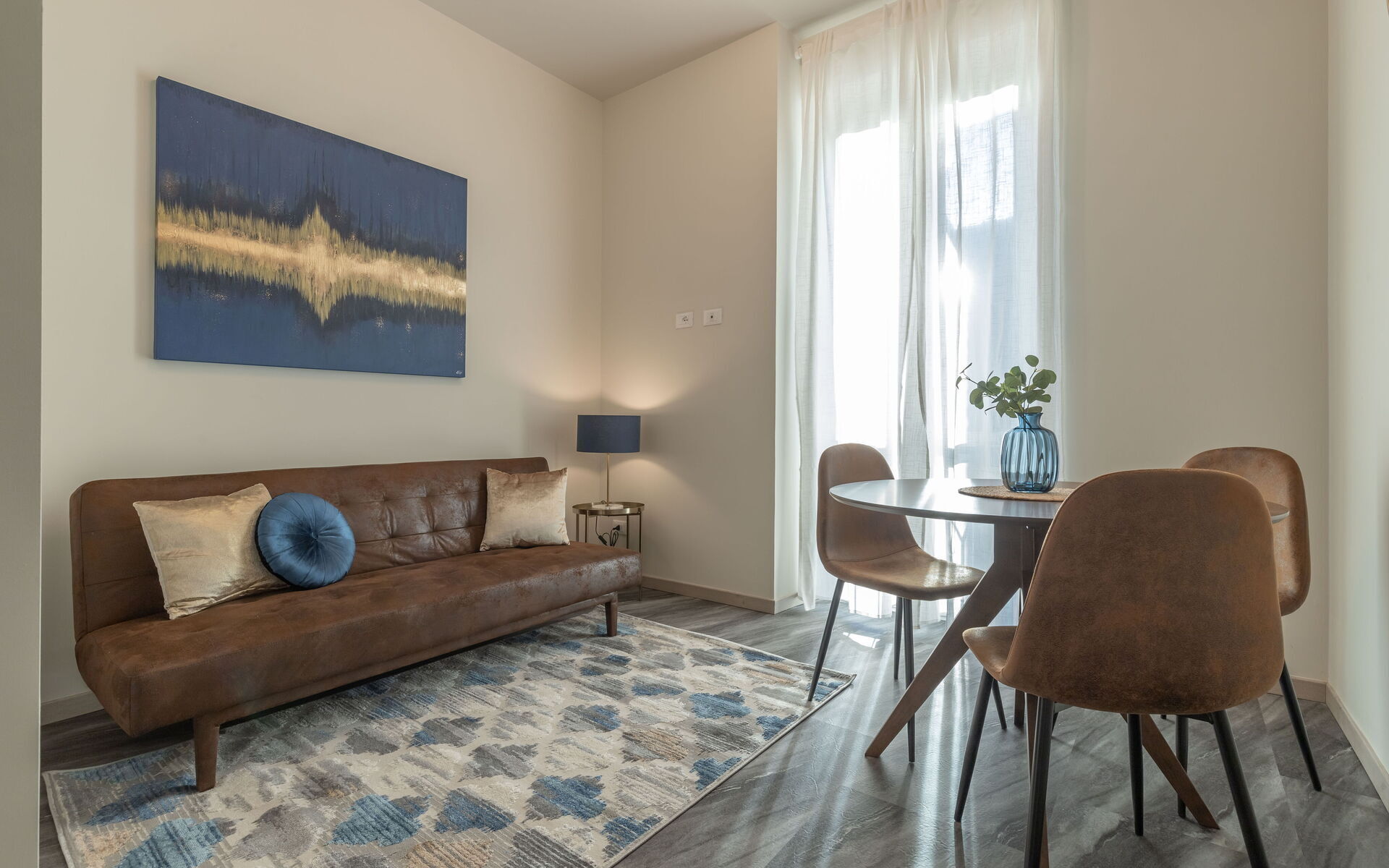
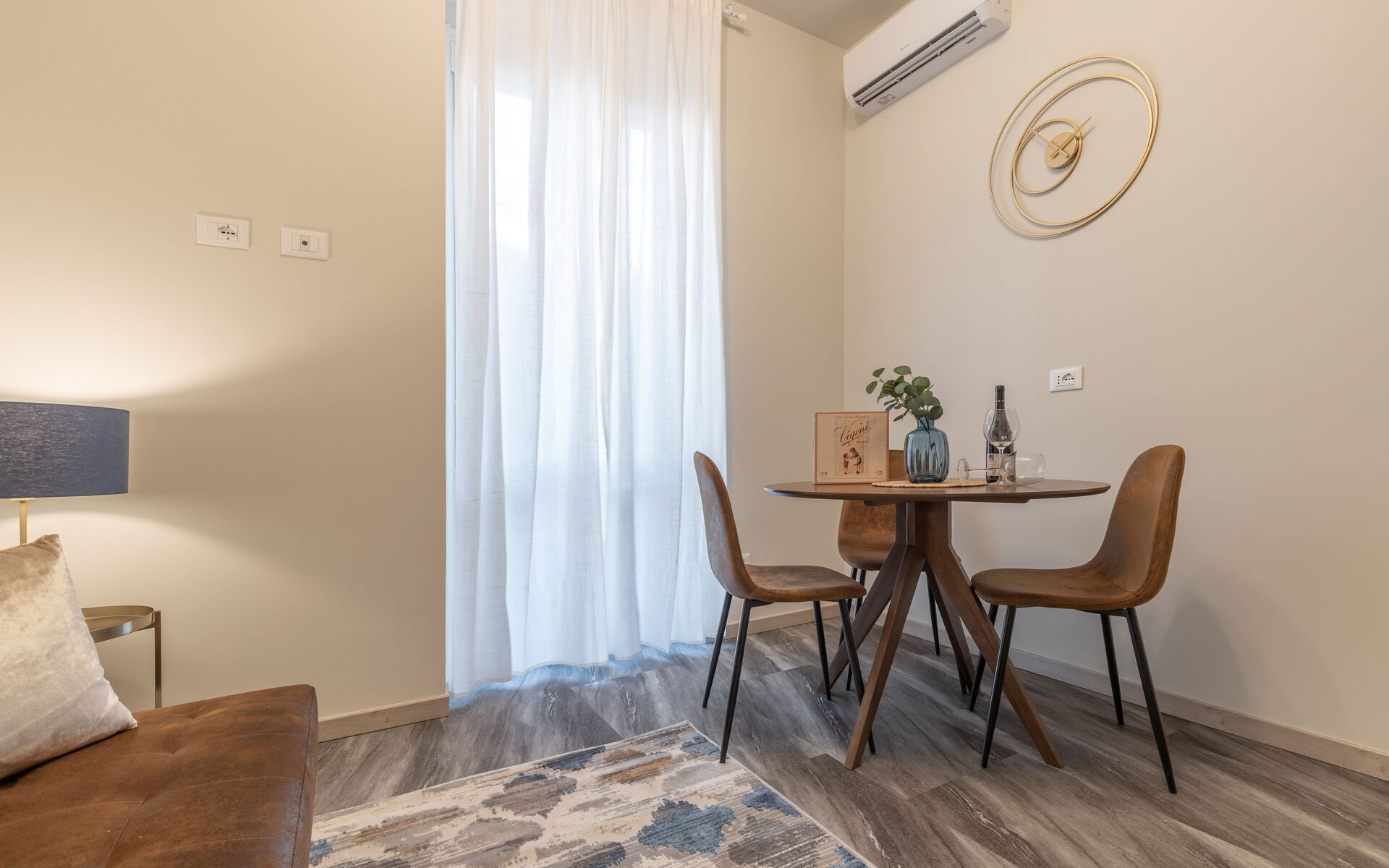
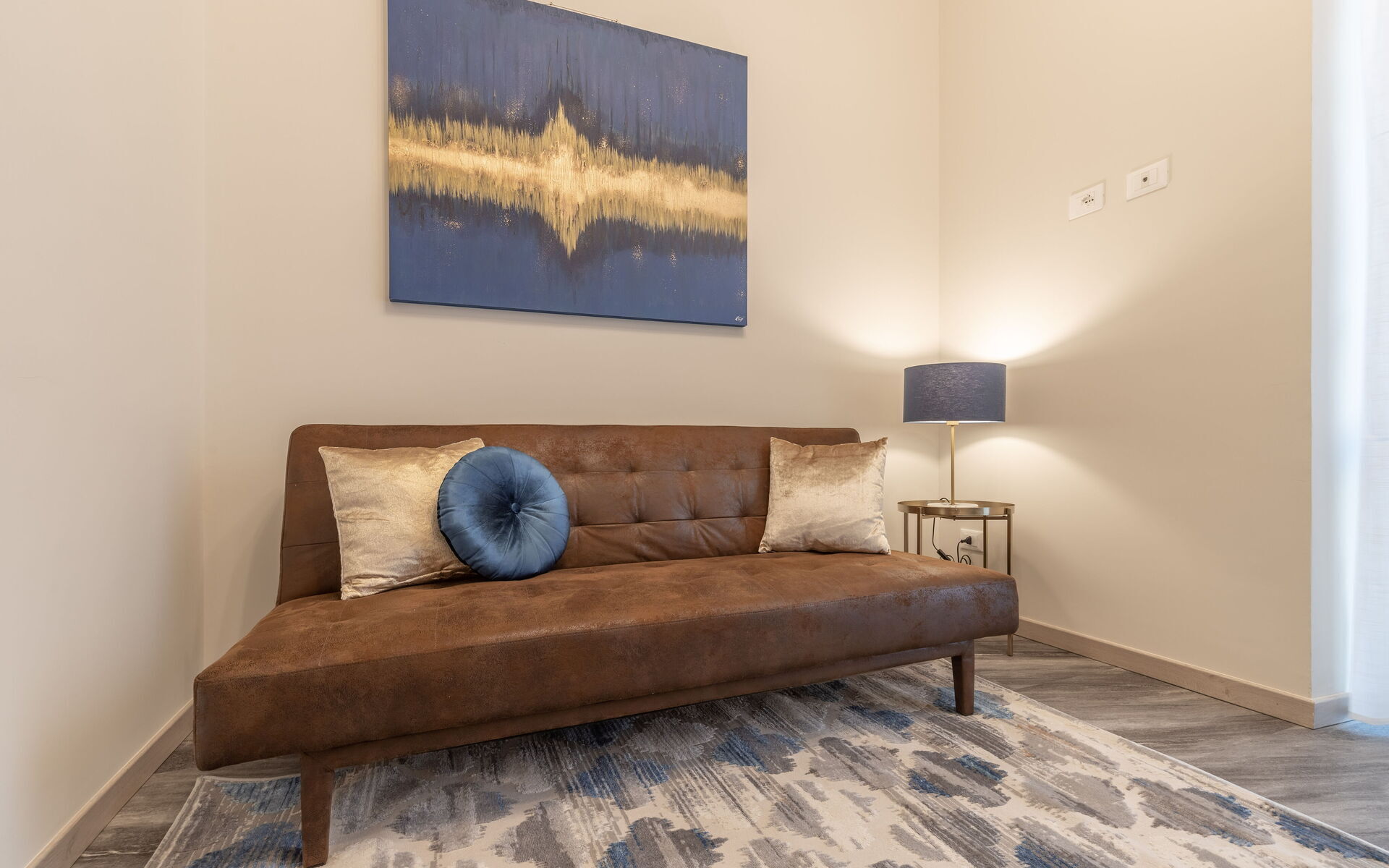
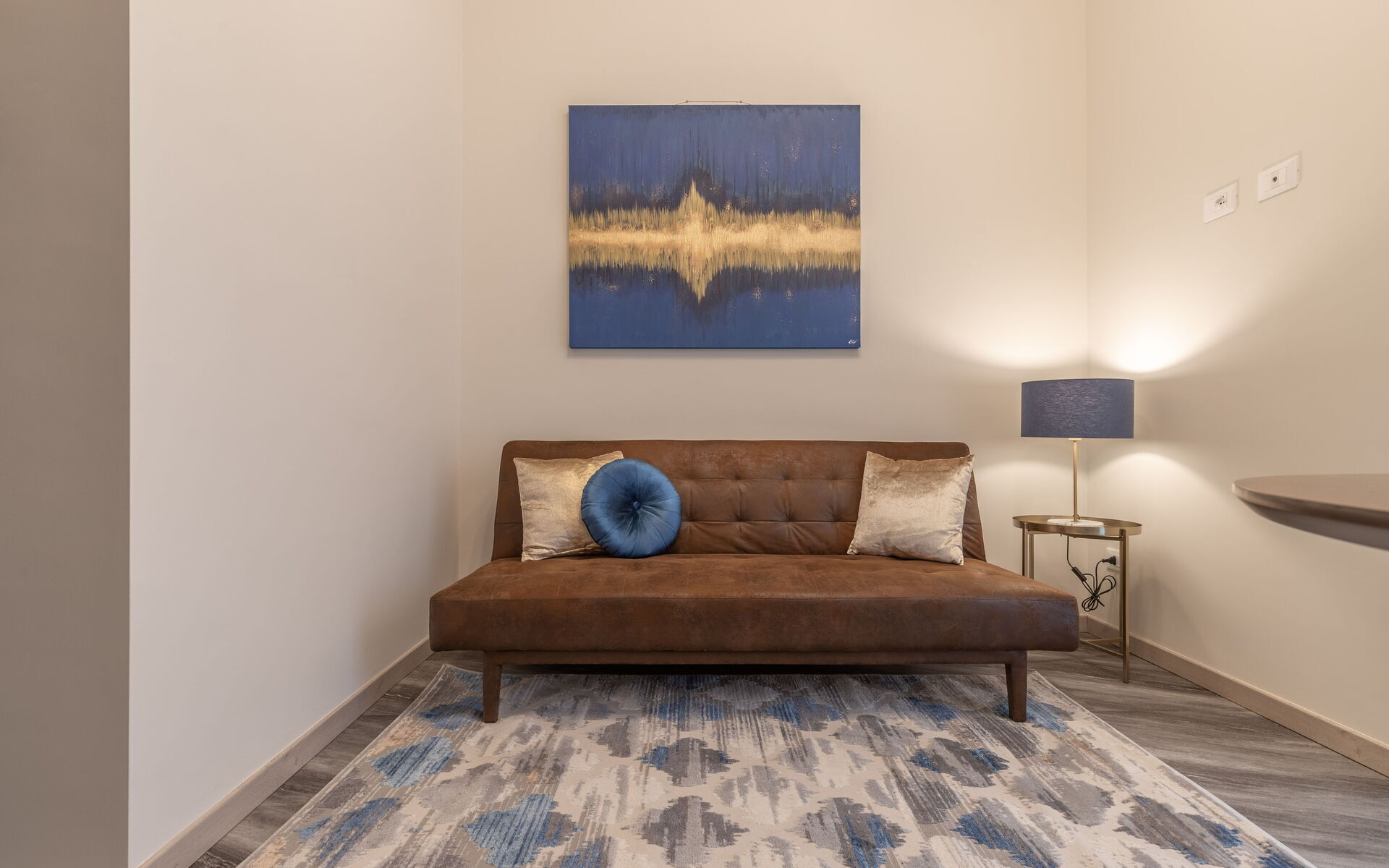
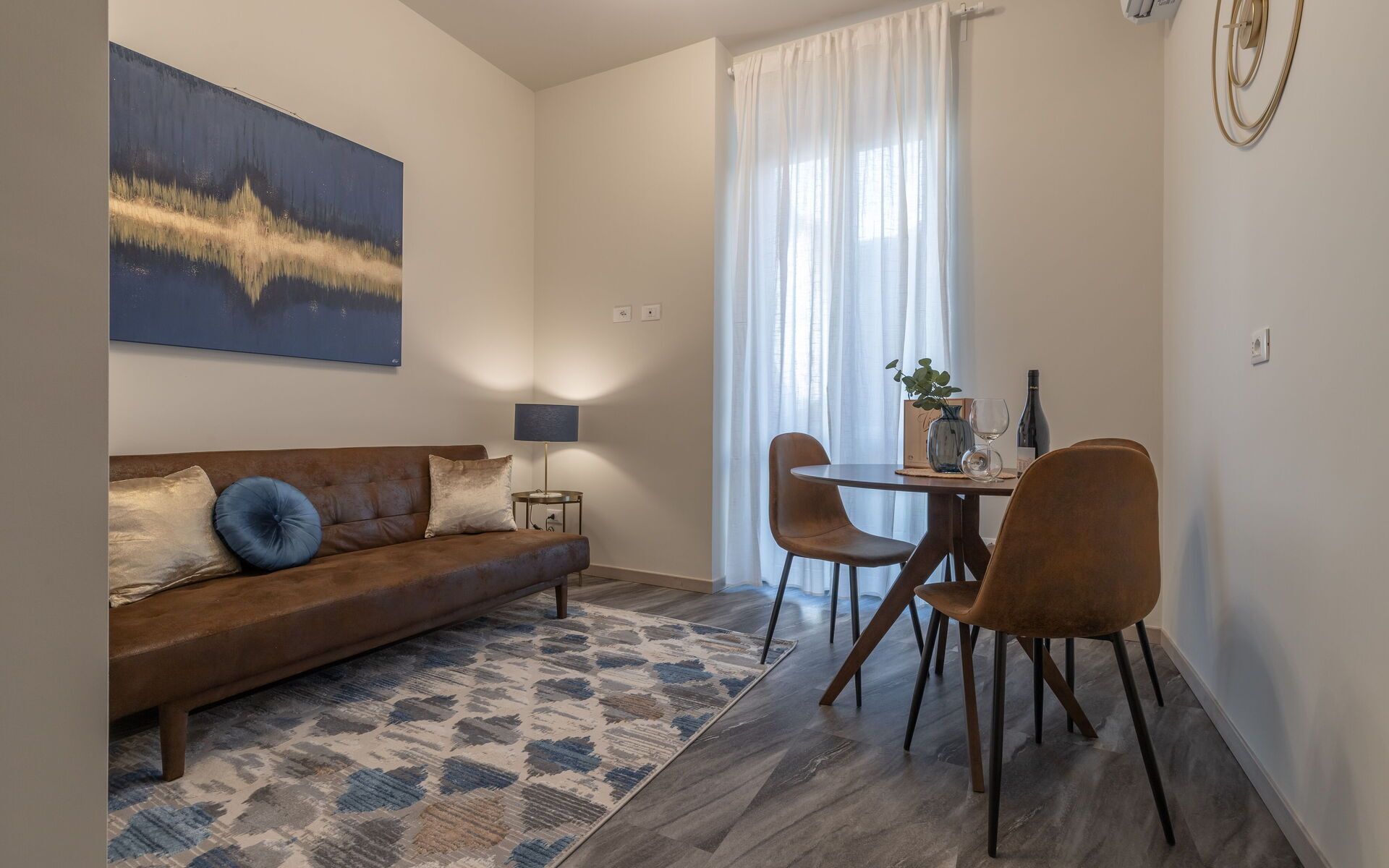
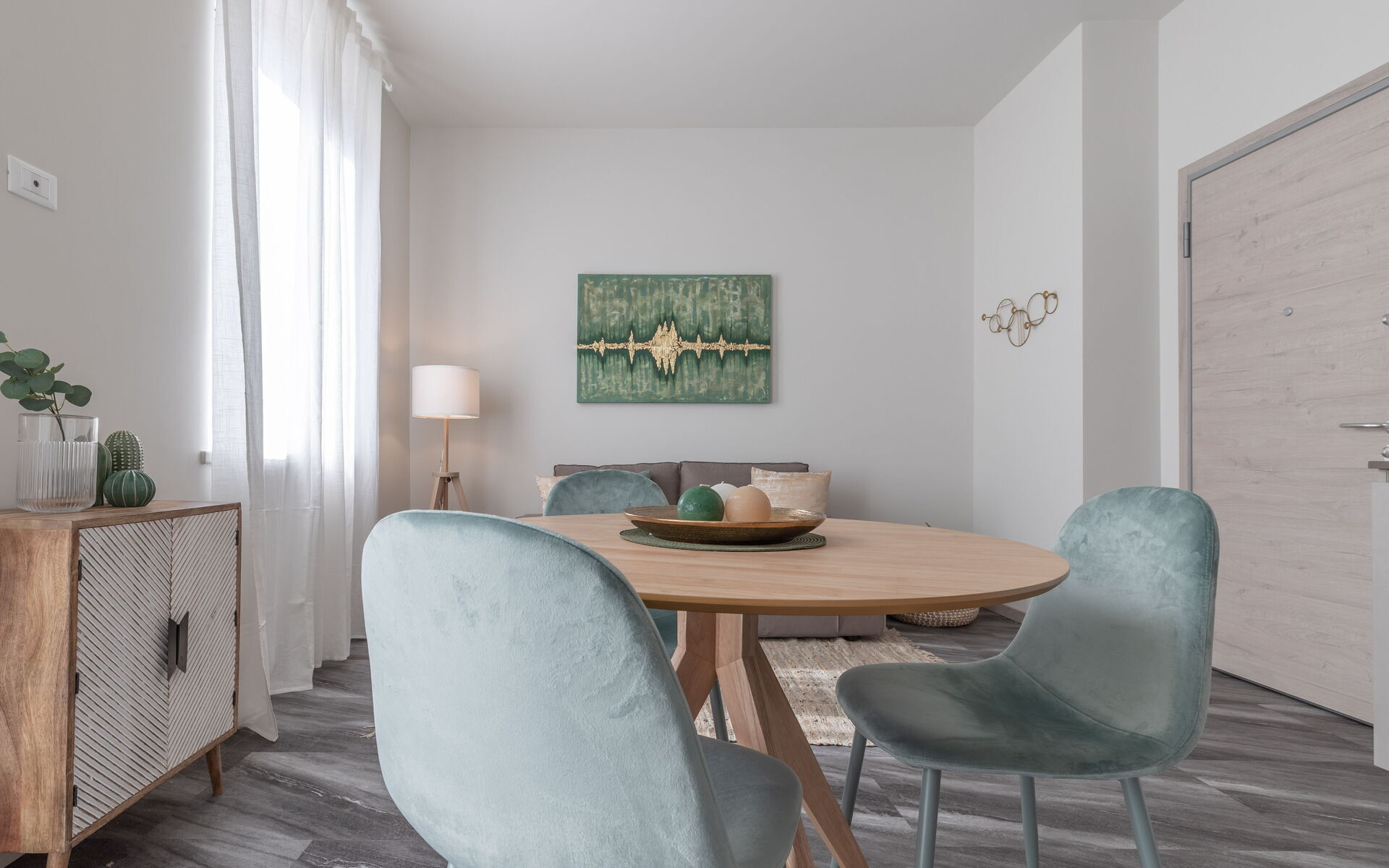
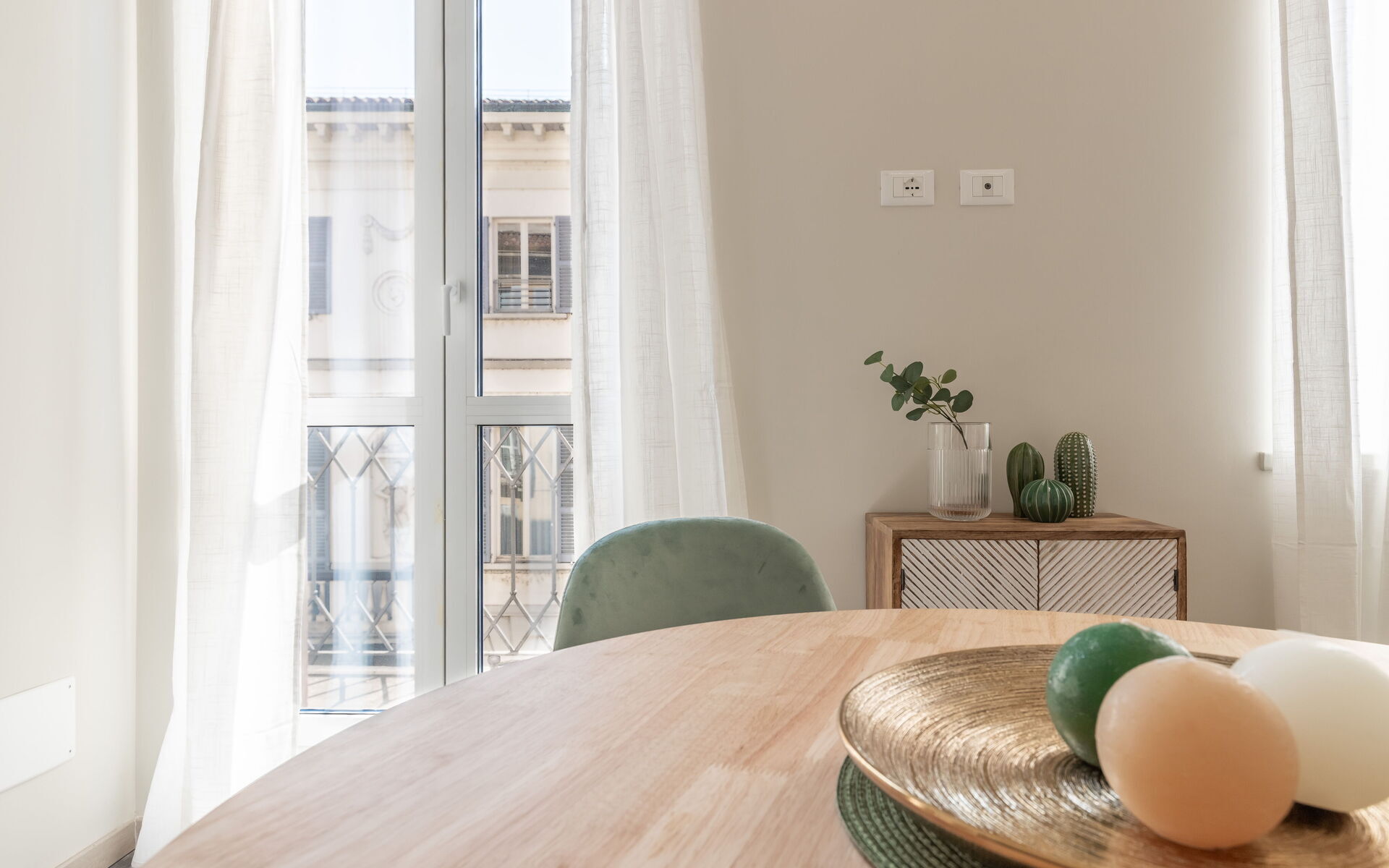
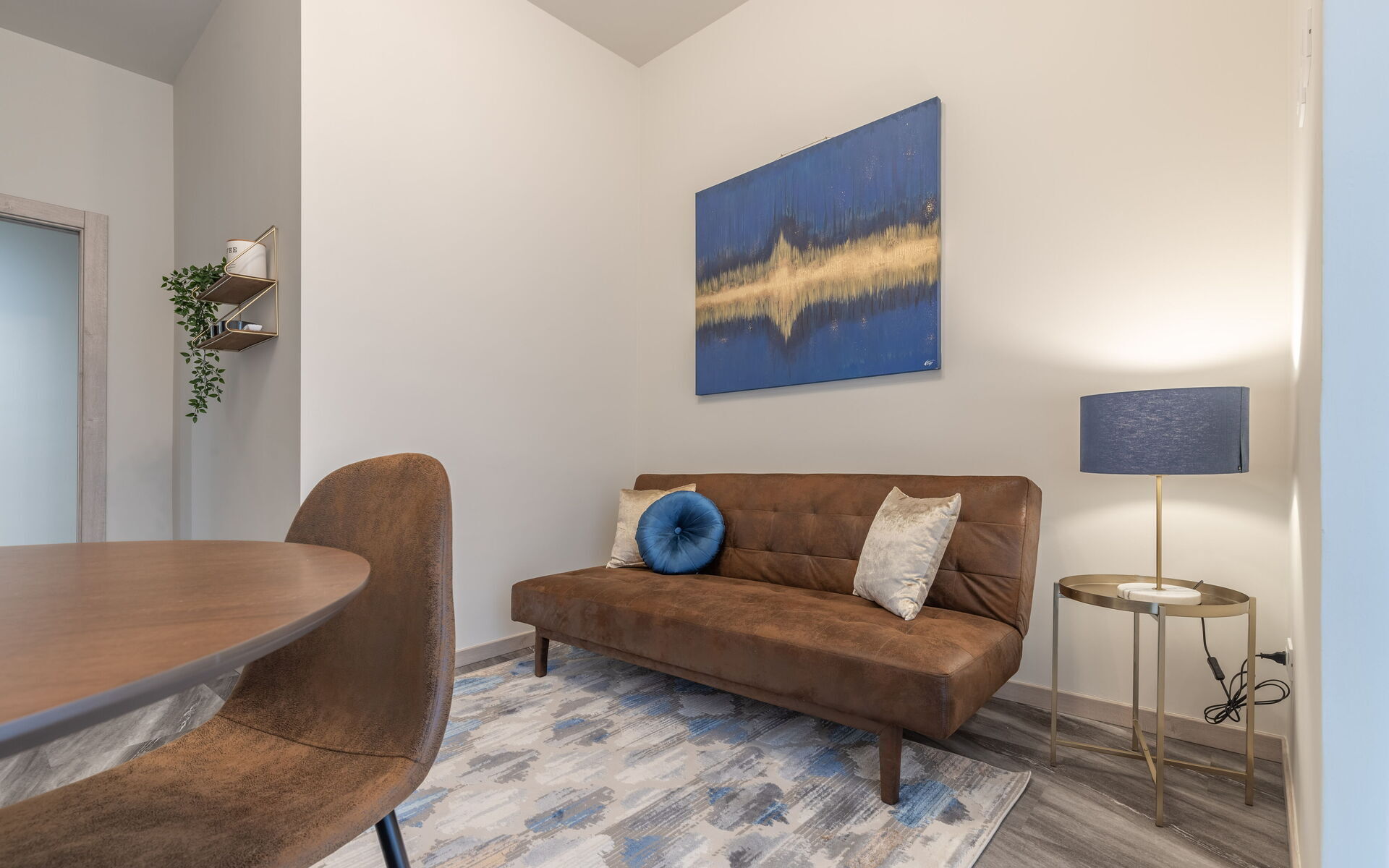
Kitchen + living room 1: well equipped kitchen, dining table, dishwasher, fridge, freezer, stove top, oven, american coffee machine, sofa, WIFI internet, air conditioning, satellite tv, exit to the balcony.
Kitchen + living room 2: well equipped kitchen, dining table, dishwasher, fridge, freezer, stove top, oven, american coffee machine, sofa, WIFI internet, air conditioning, satellite tv, exit to the balcony.
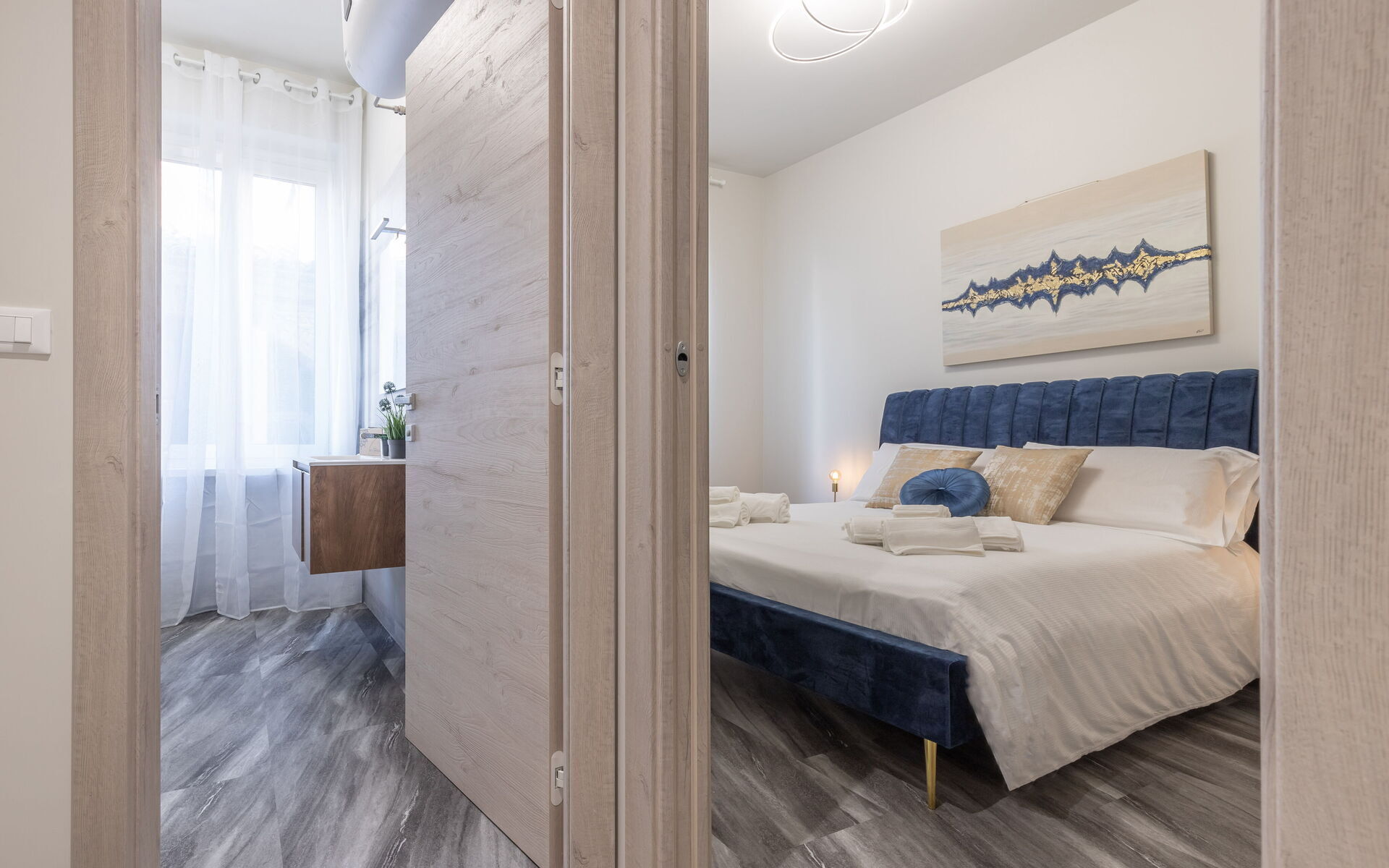
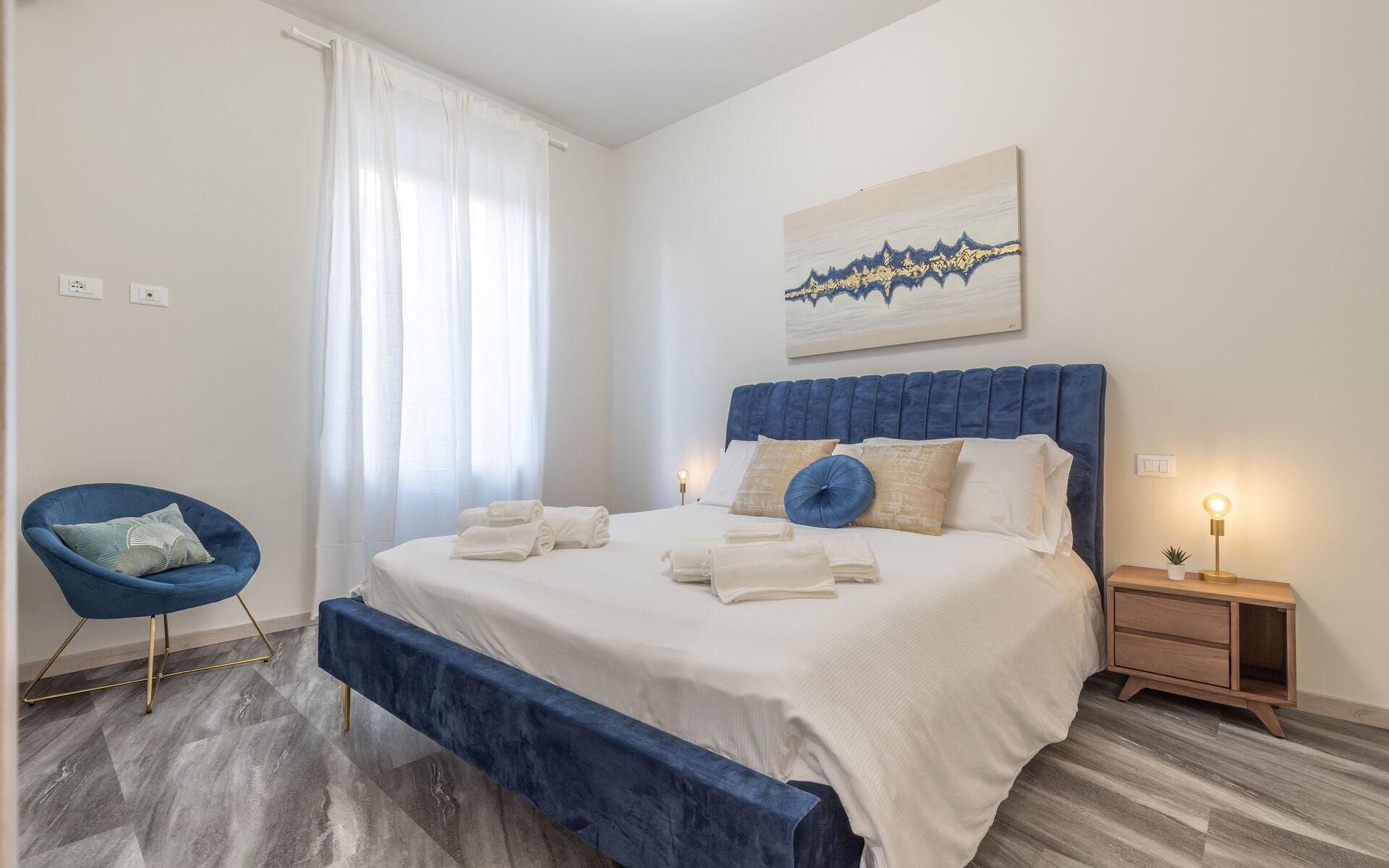
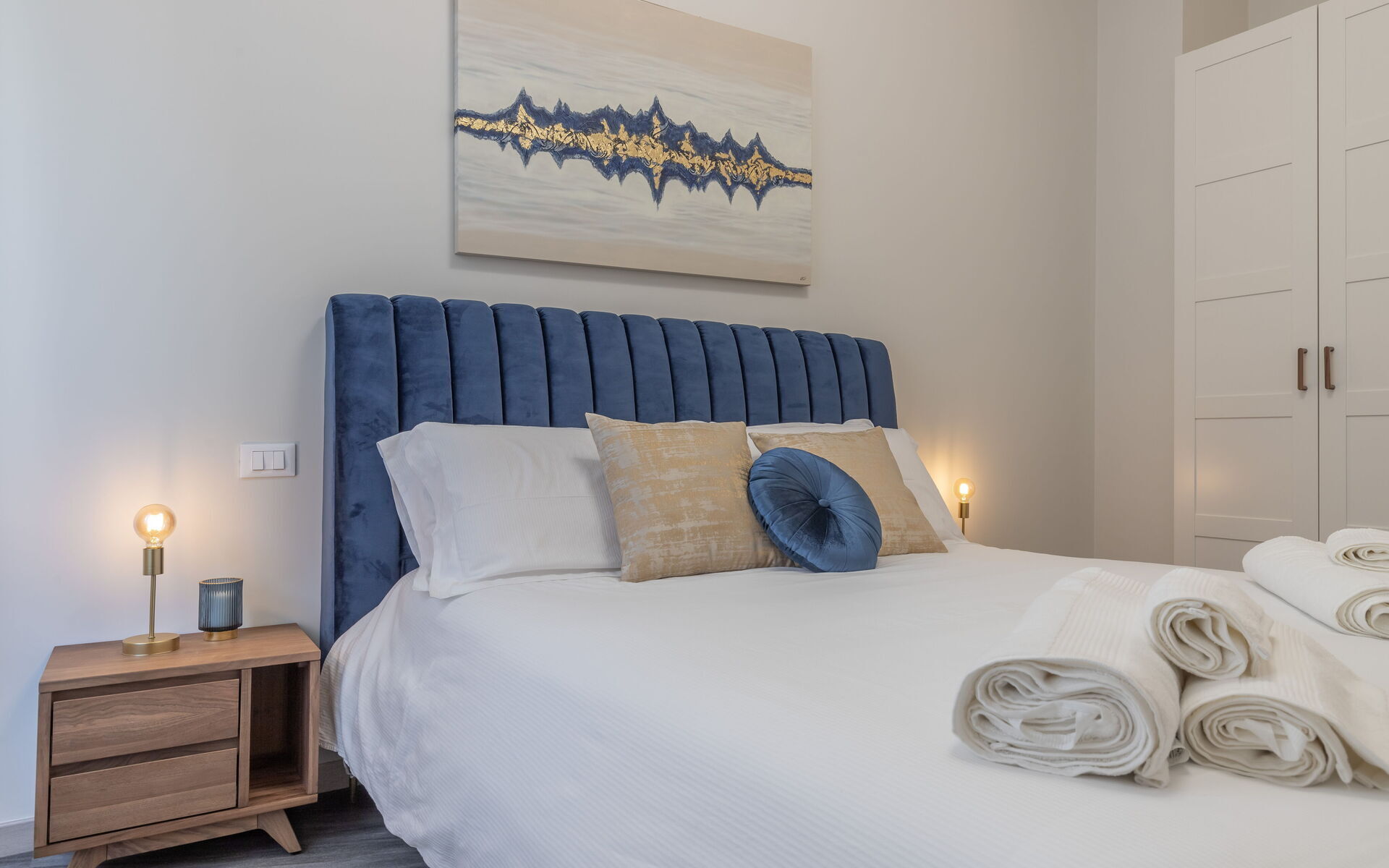
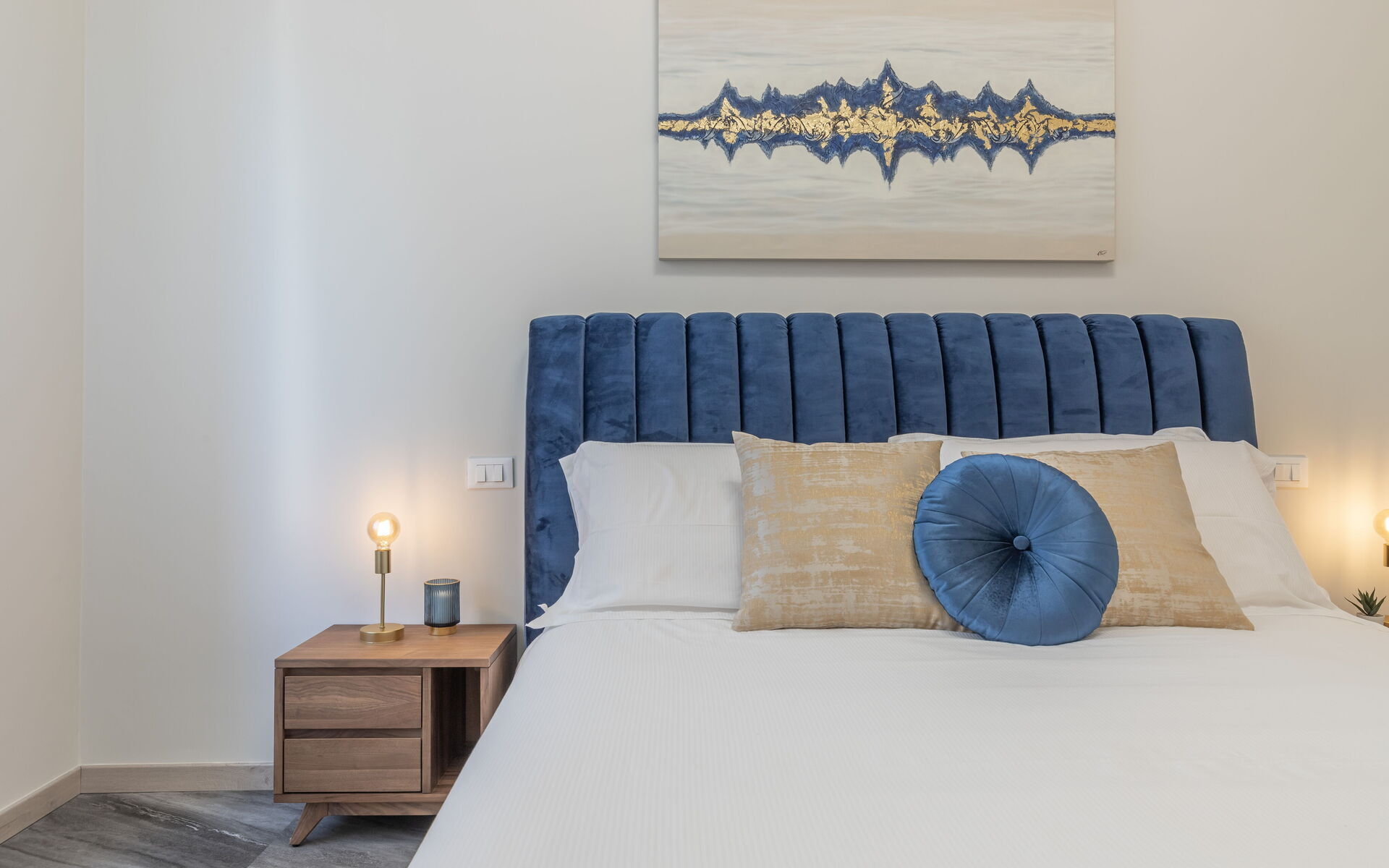
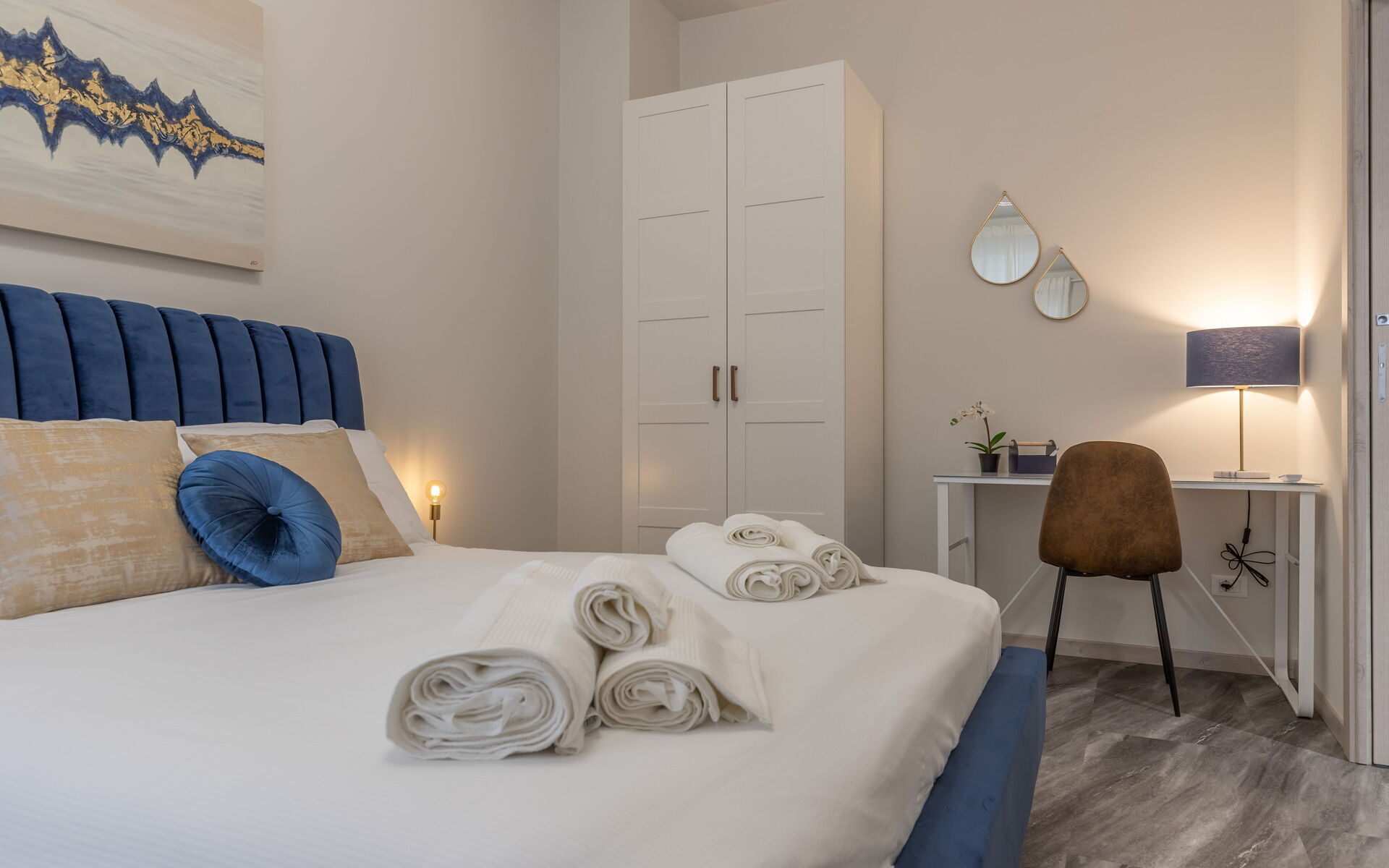
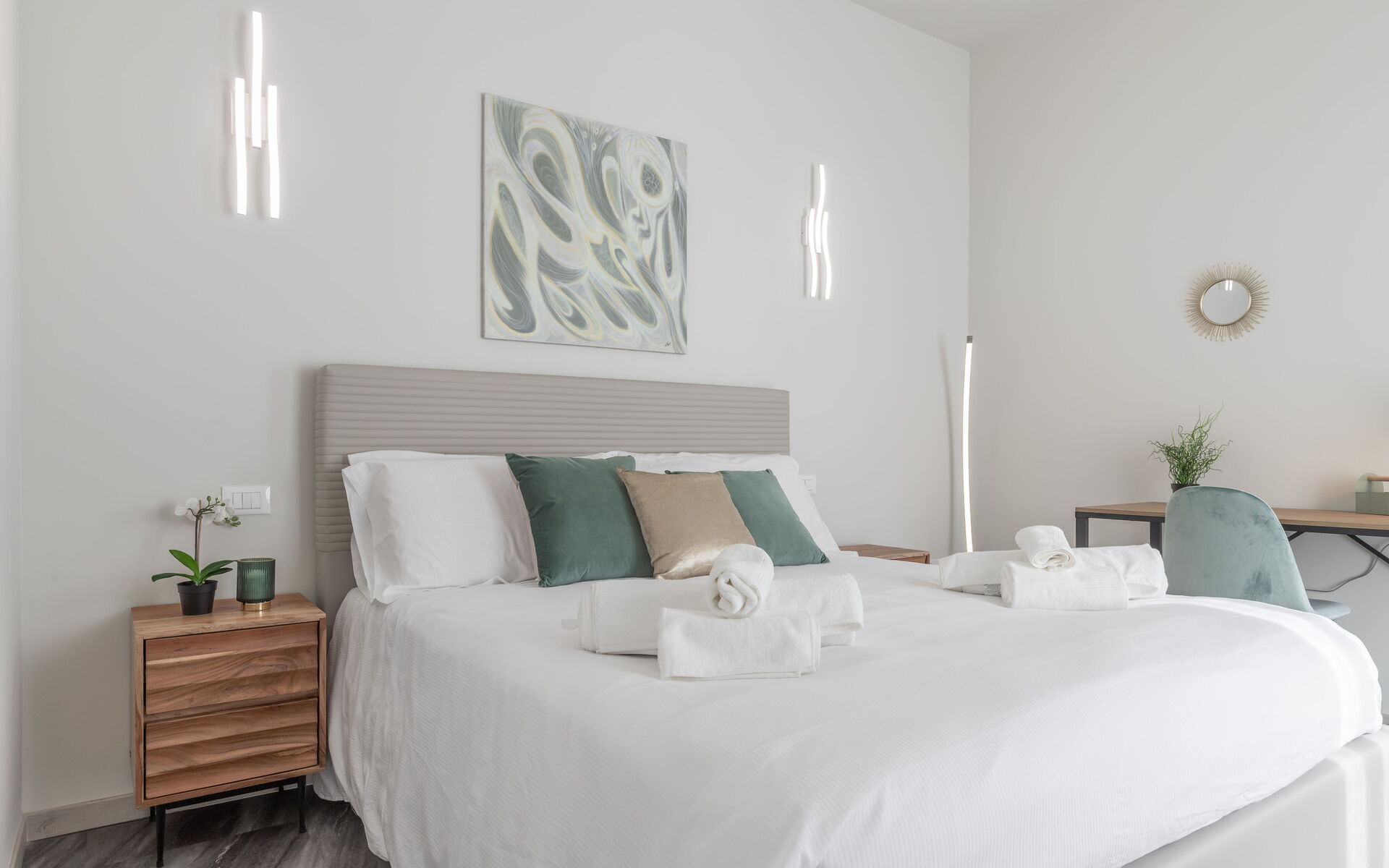
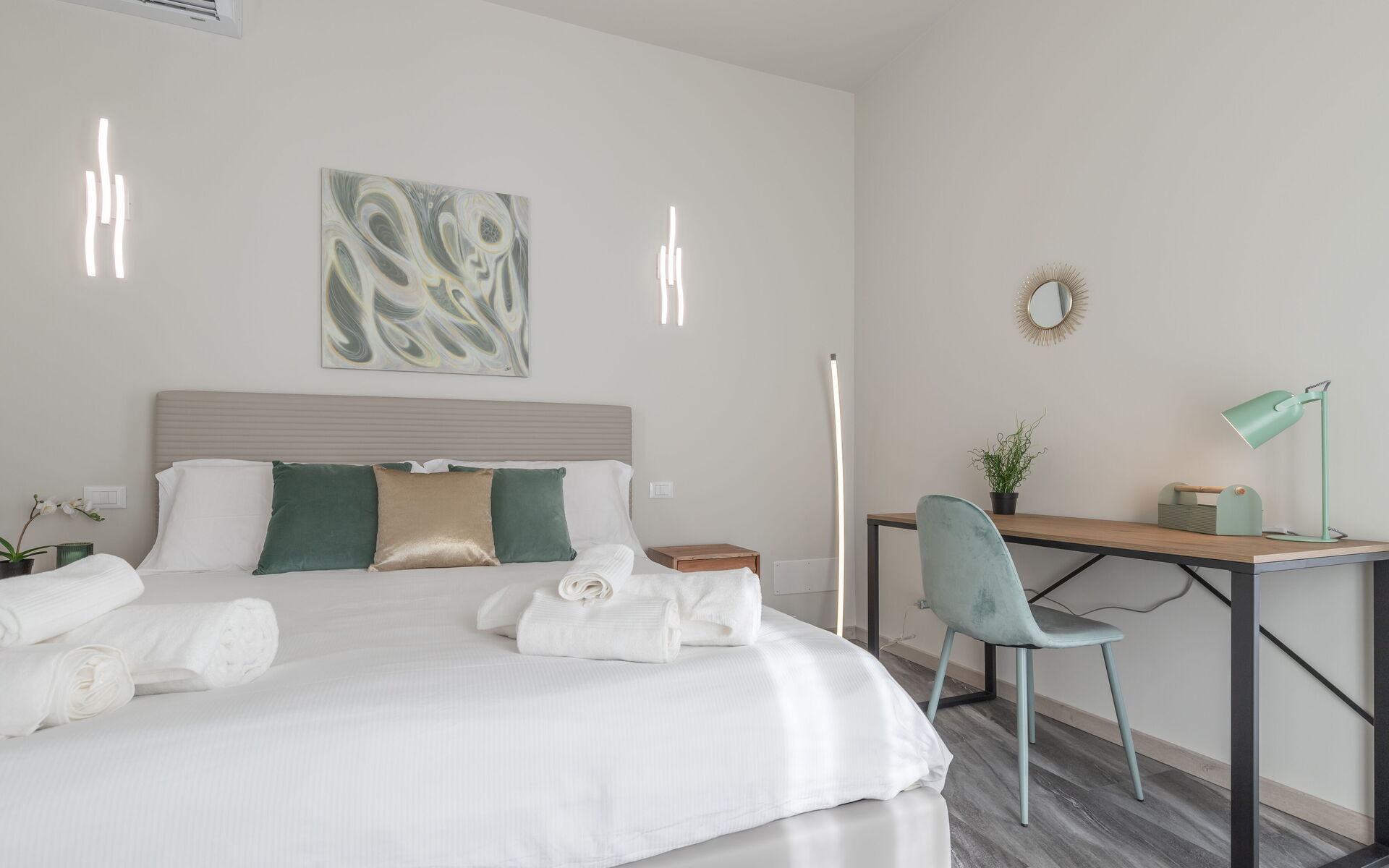
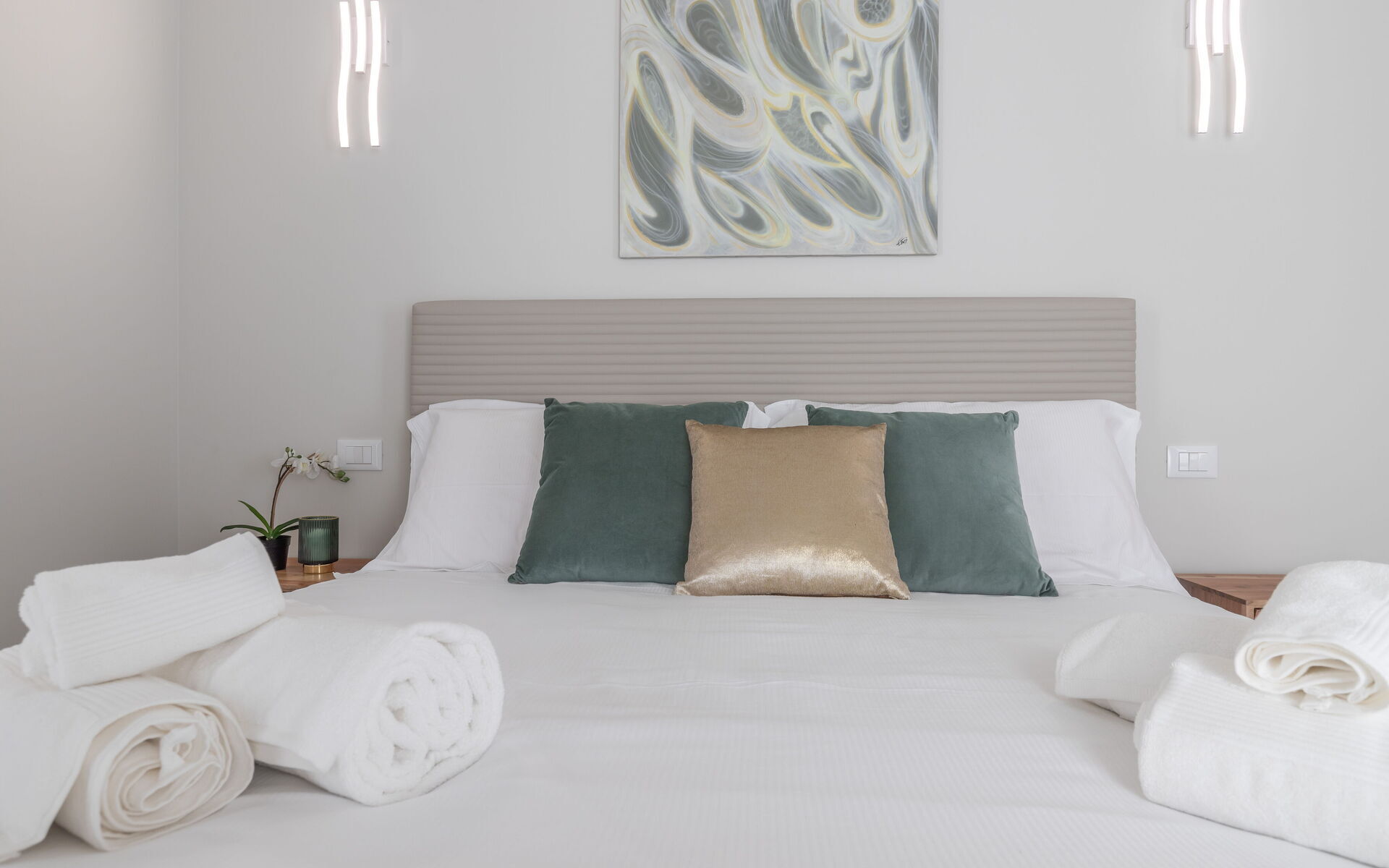
Bedroom 1: double bed, WIFI internet, air conditioning, exit to the balcony.
Bedroom 2: double bed, WIFI internet, air conditioning, exit to the balcony.
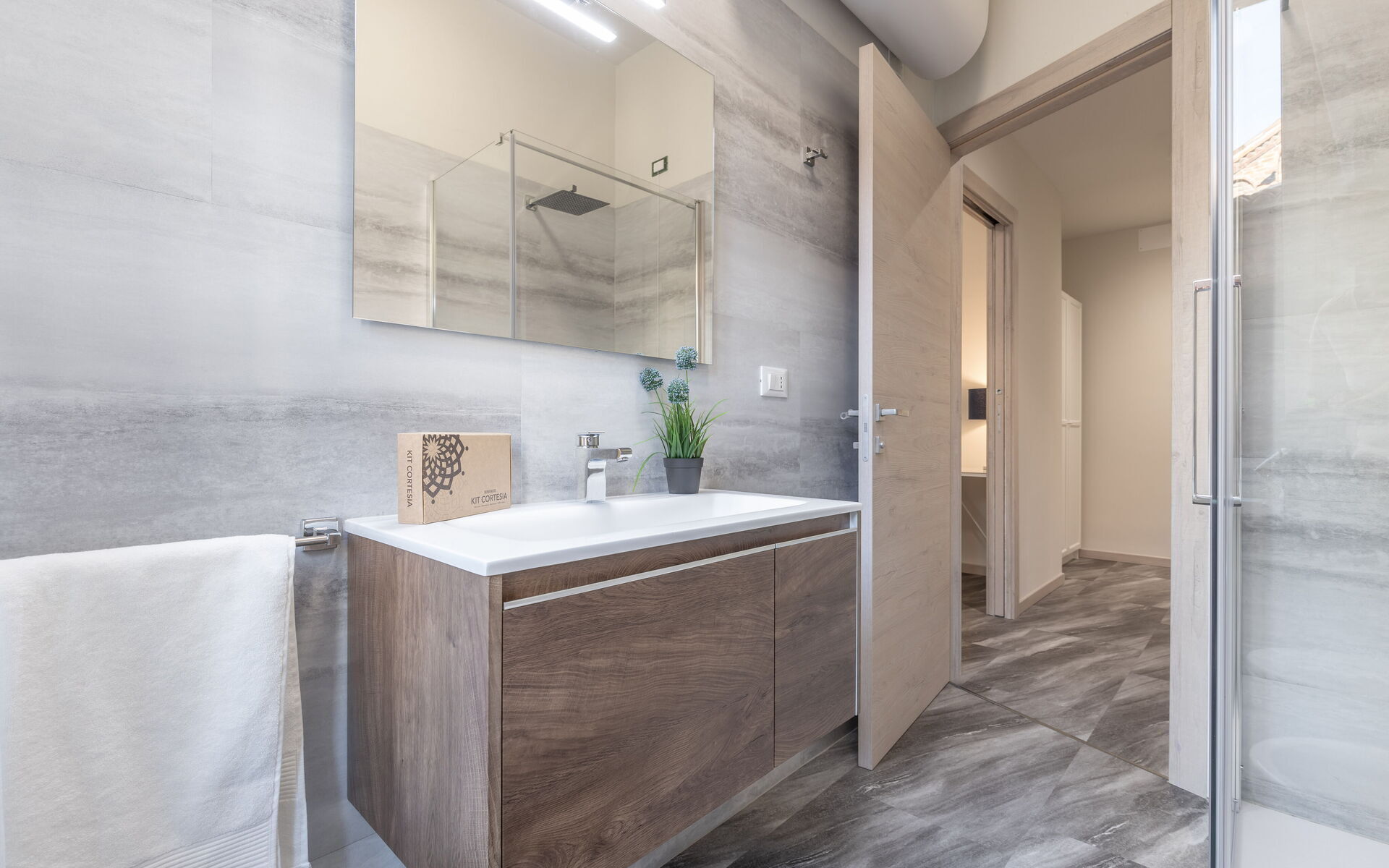
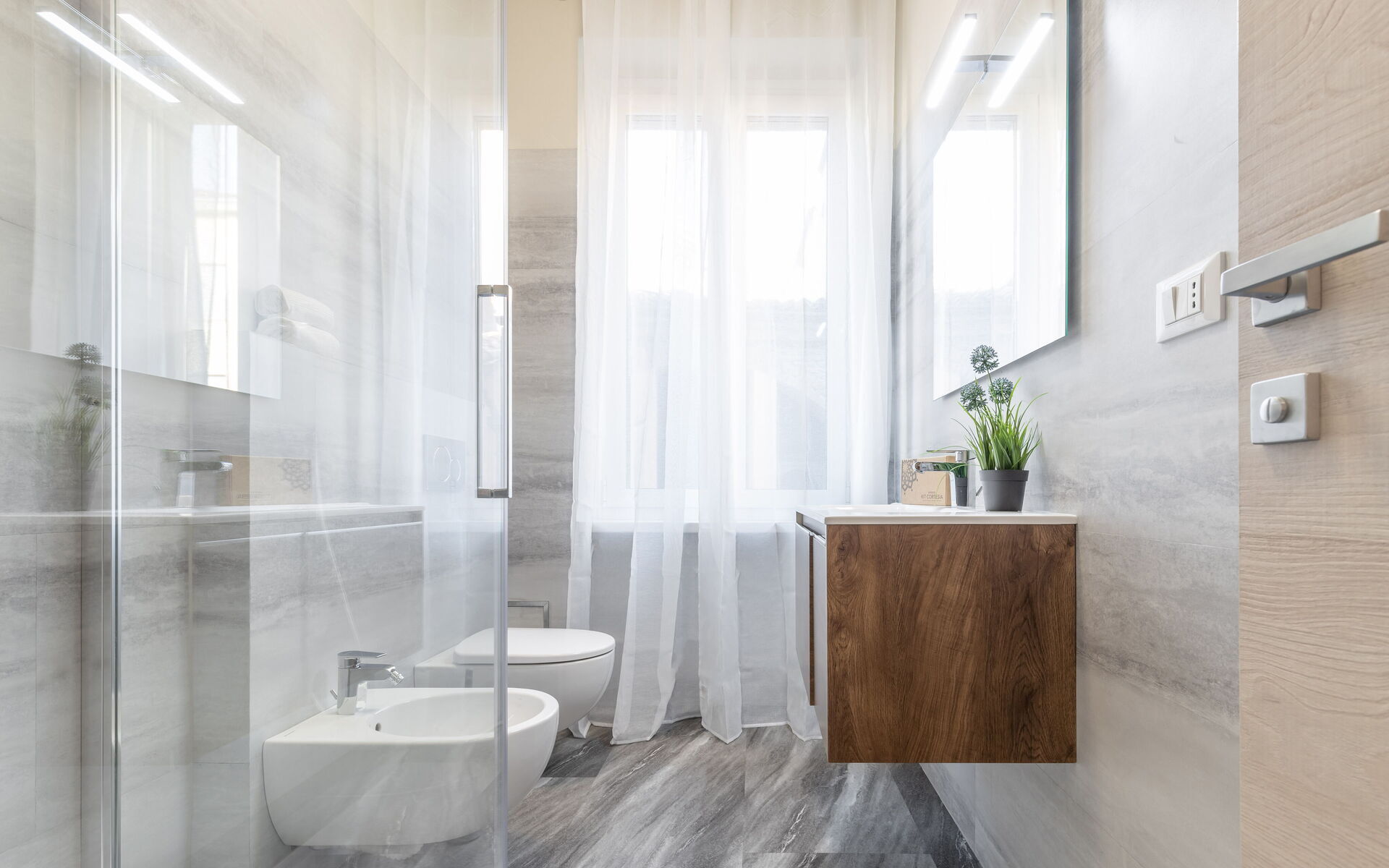
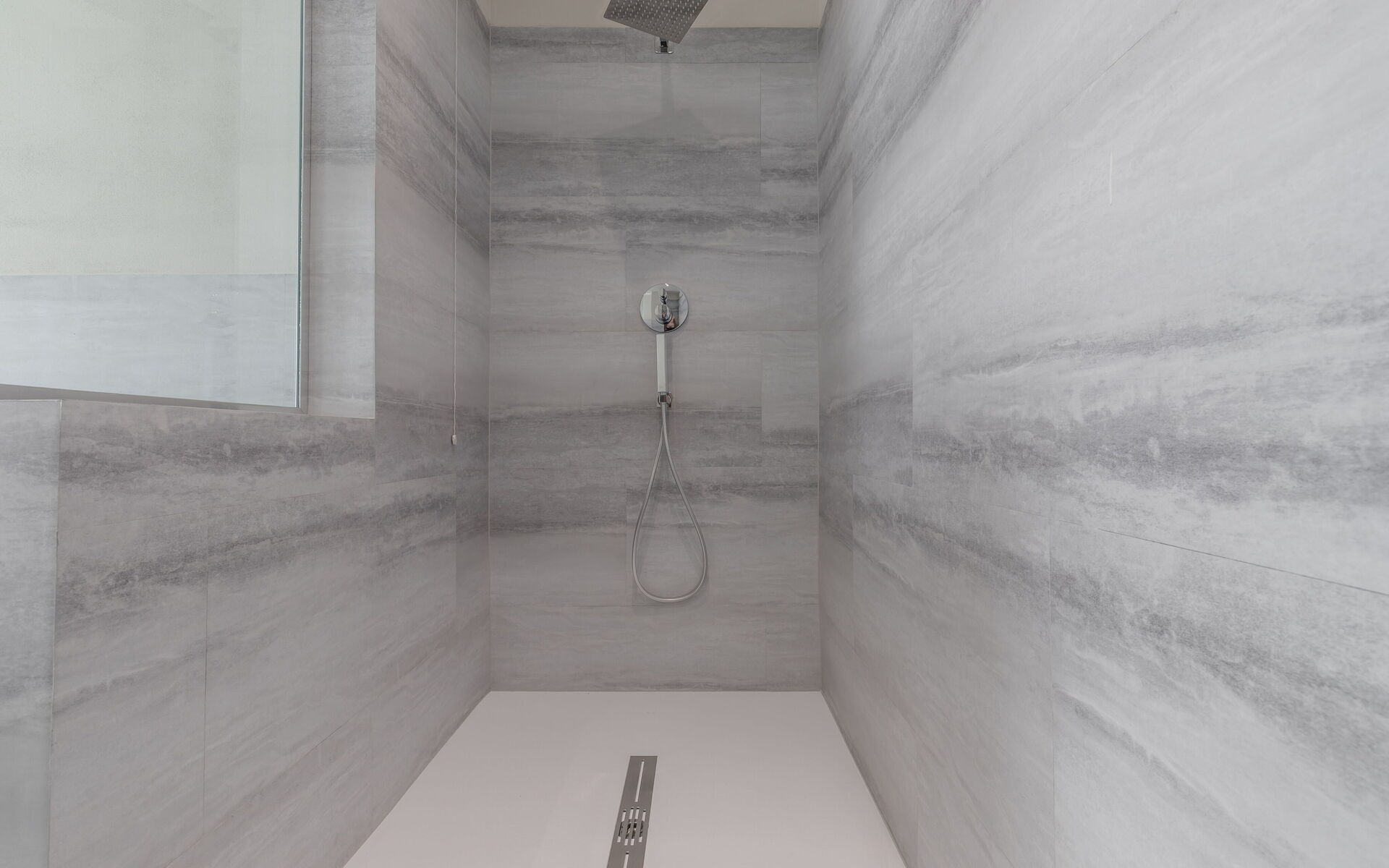
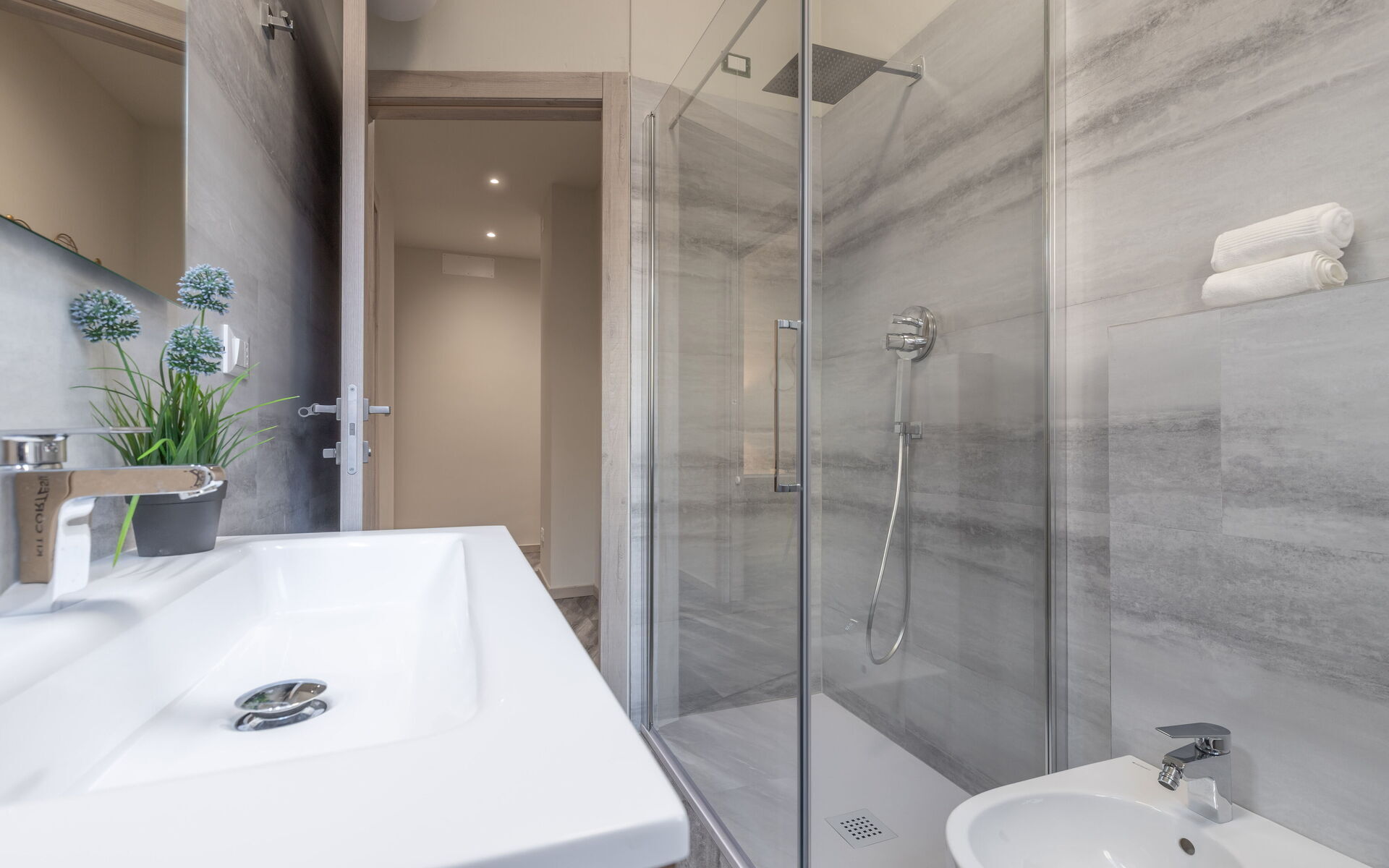
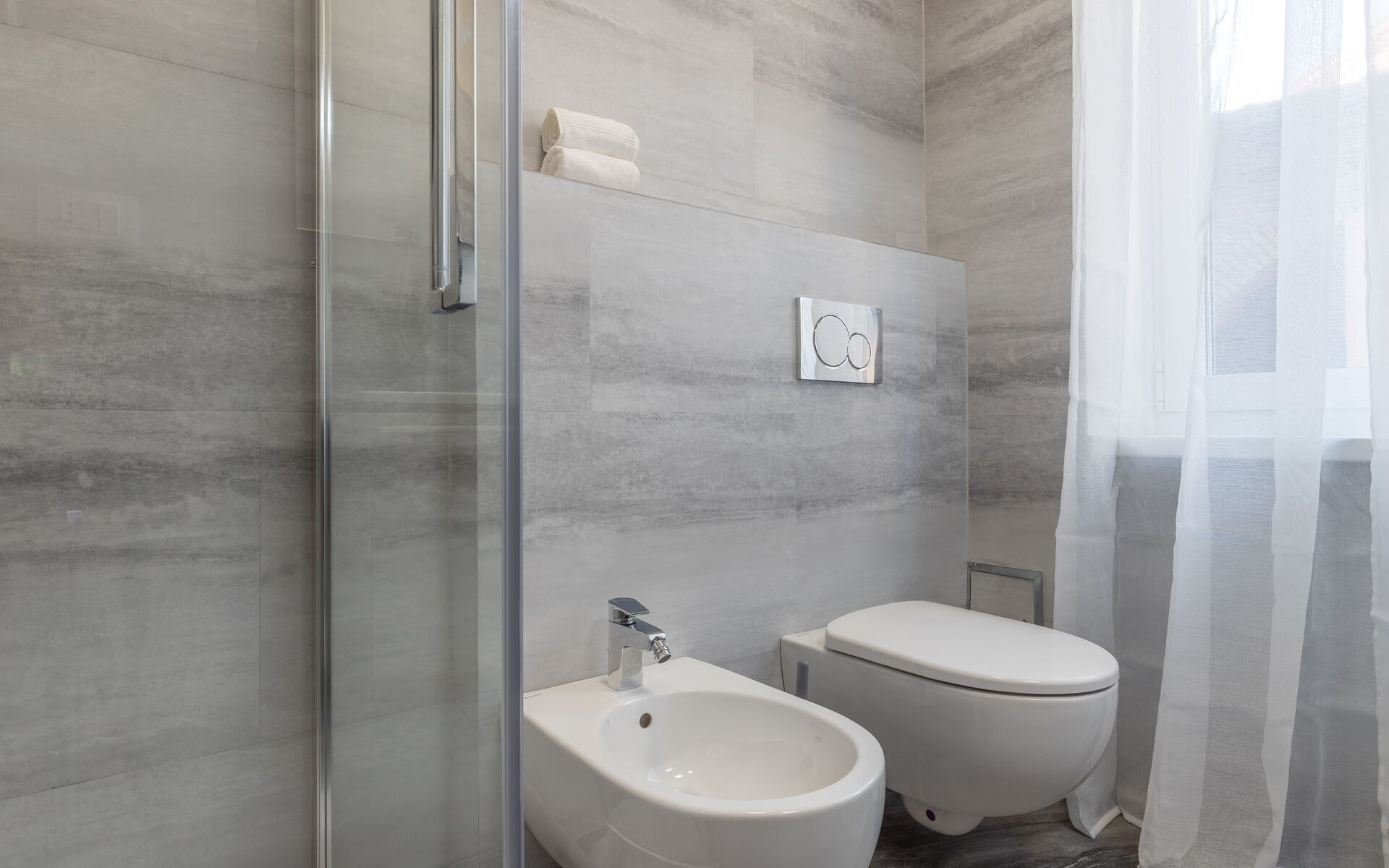
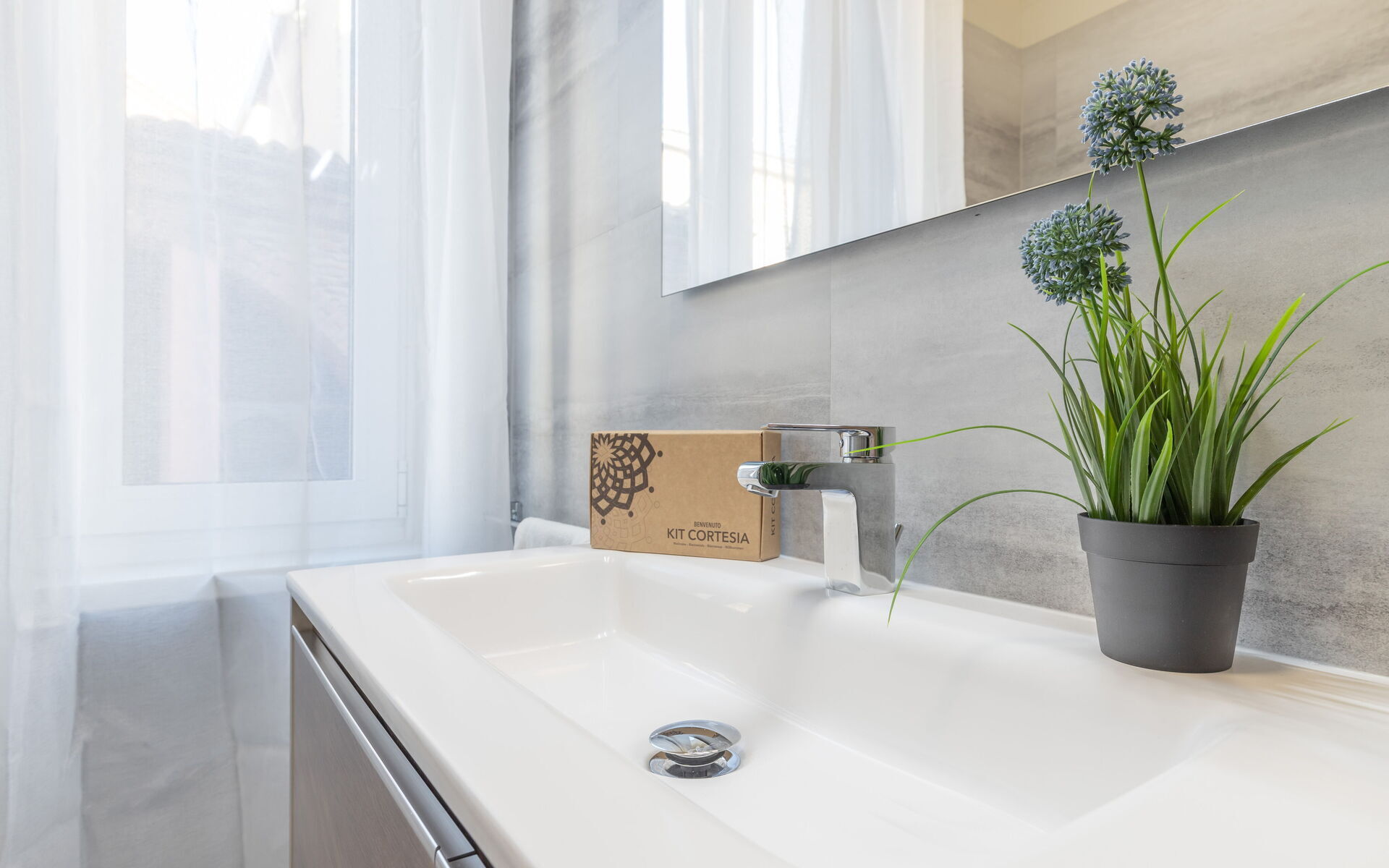
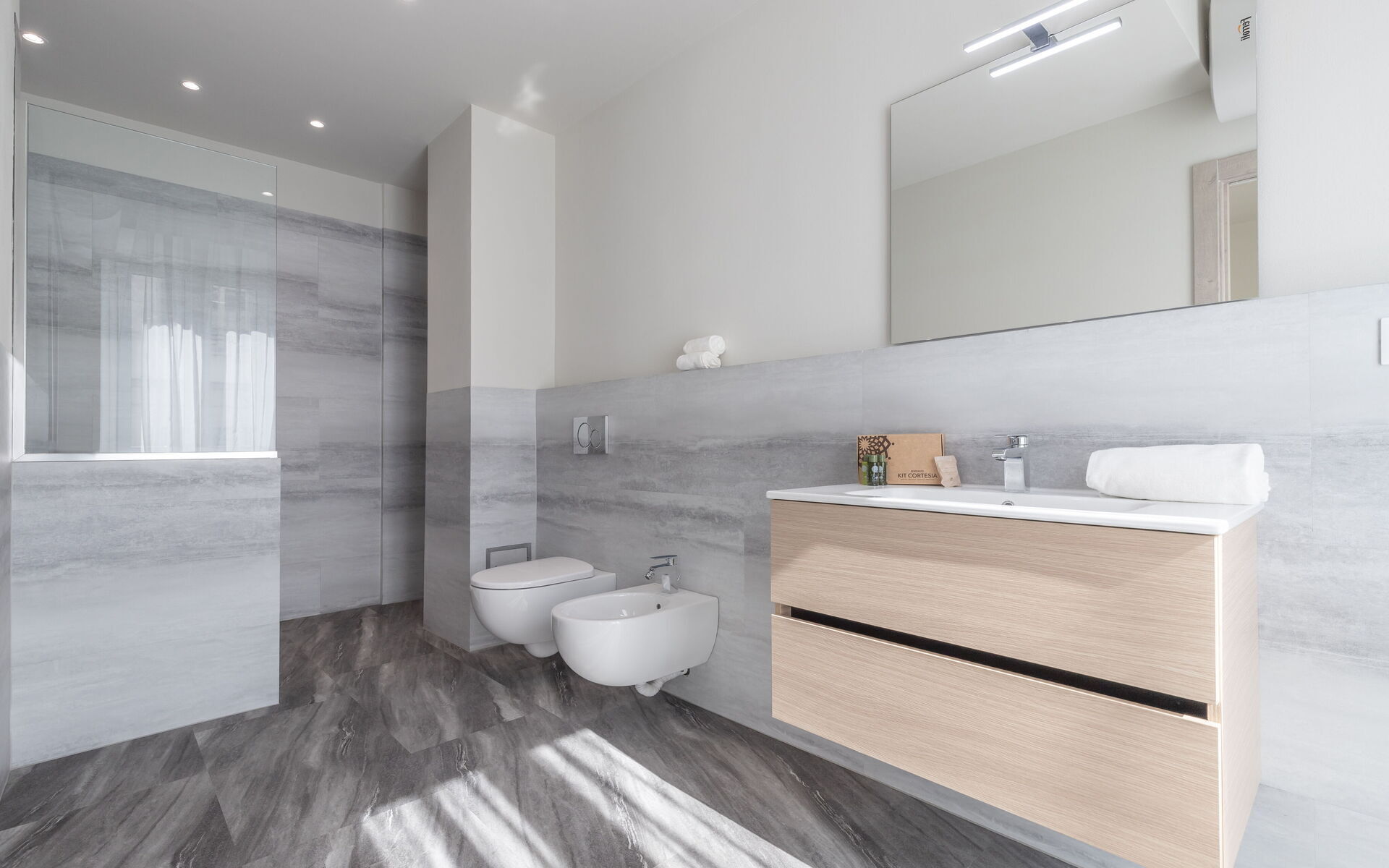
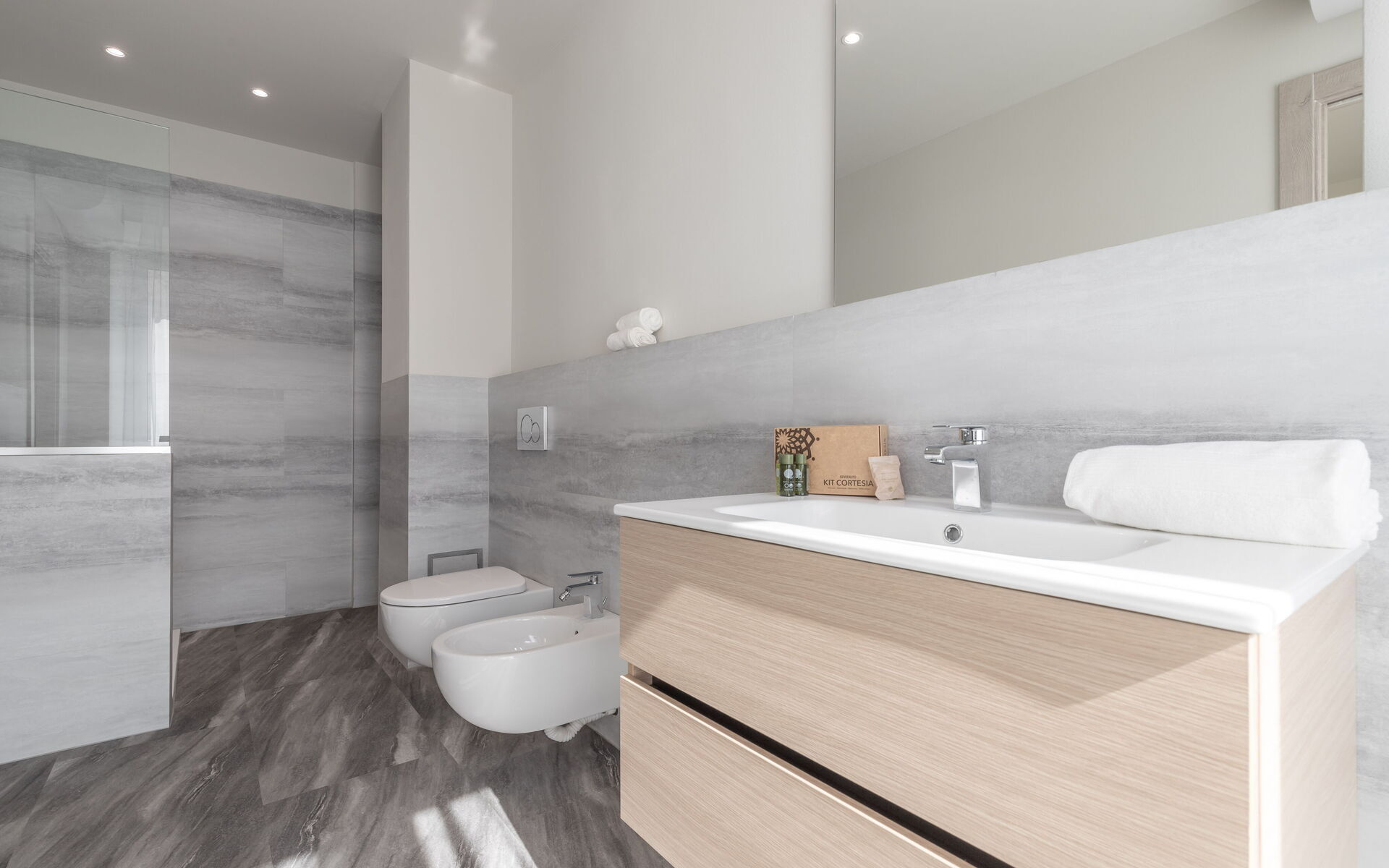
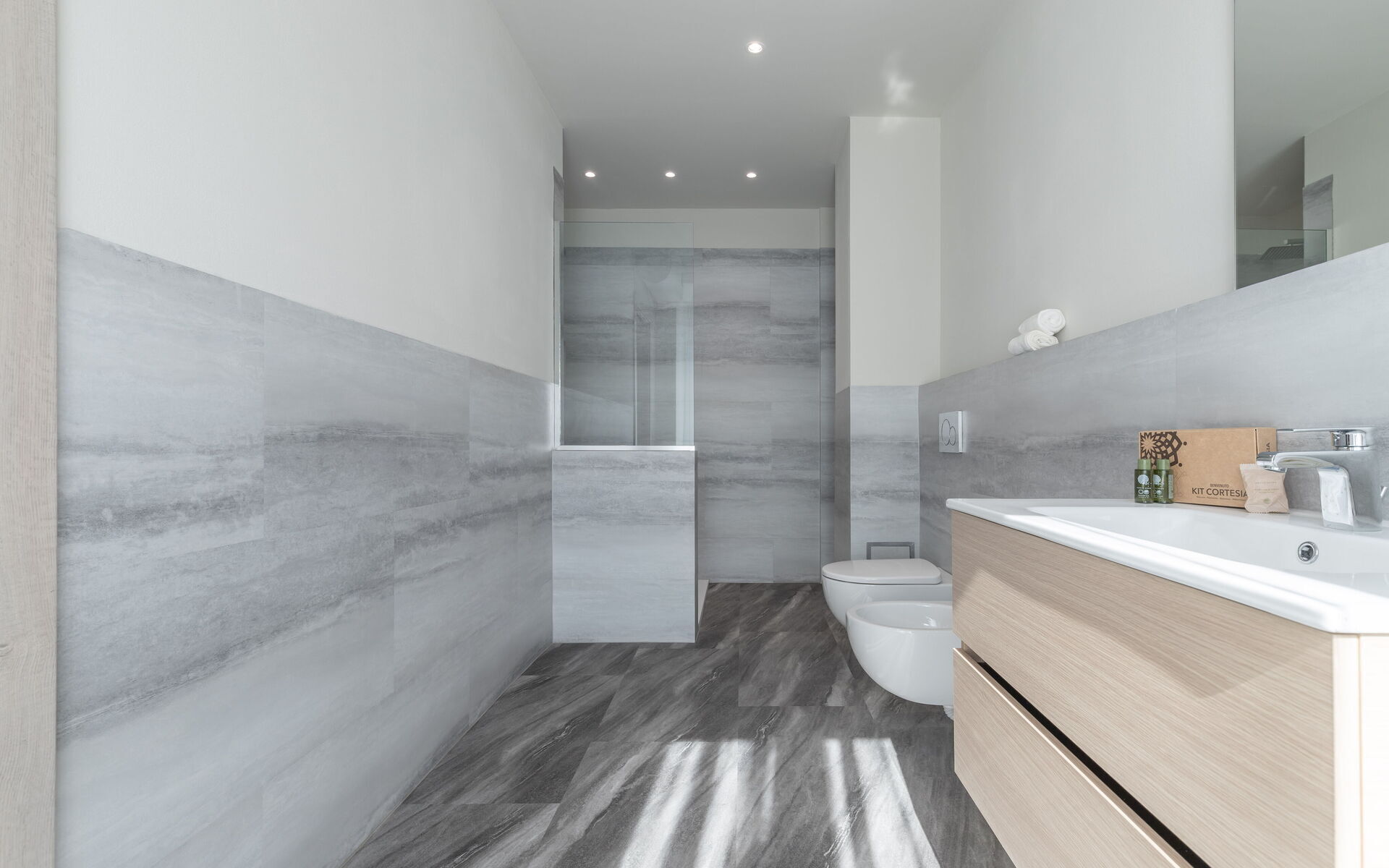
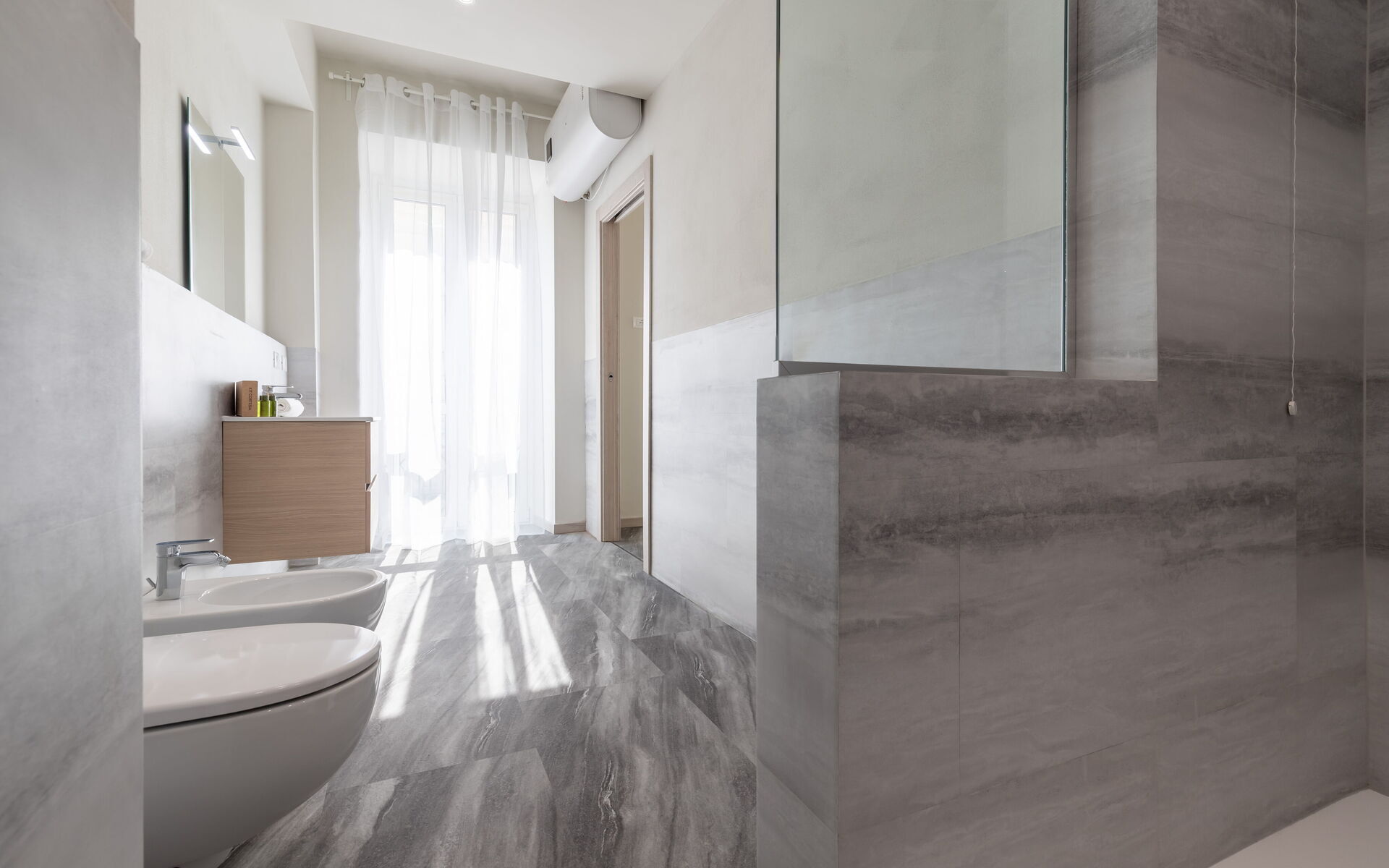
Bathroom 1: basin, toilet, shower, hairdryer.
Bathroom 2: basin, toilet, shower, hairdryer.
Licence or registration number:
CIN: IT018110B437H4YALX / CIR: 018110-LIM-00021
Location Pavia, Lombardy, Italy
Points of Interest
Click on a Point of Interest Type from the list to show them on the map.
Places near the property(Distances as the crow flies)
- Airports
- Milano (Lin), 52.9 Km
Attractions
Ugo Foscolo and Alessandro Volta passed through the courtyards of his University. Albert Einstein walked the streets of the Oltrepo. Pavia is wisdom, pride and tradition.
In Pavia every place is a story. A Romanesque church houses the remains of Saint Augustine. The Basilica saw the coronation of Frederick Barbarossa as King of Italy.
Memory and tradition have not trapped the city. It is enough to walk between the galleries and the courtyard of the Magnolias of the University founded in 1361 by the Emperor Charles IV, one of the oldest in Italy, to breathe together history, science and avant-garde. It happens in the Teresian Hall of the Library, in the classrooms of Foscolo and Alessandro Volta, as well as inside the Historical Museum and the Botanical Garden, with the orchid greenhouse and a large secular plane tree.
In the city, you can discover the Civic Museums inside the Visconti Castle, and the Ponte della Libertà, to be observed at night when the arcades are colored blue, yellow and fuchsia neon artist Marco Lodola. The Gothic Ark of the '300 where Saint Augustine rests is preserved in San Pietro in Ciel d'Oro. Barbarossa was instead crowned inside the Basilica of San Michele Maggiore.
Another pearl not to be missed is the Church of San Teodoro built in the second half of the twelfth century to accommodate the remains of San Teodoro, ancient bishop of Pavia and patron of fishermen, boatmen and traders who lived in this area of the city.
Inside there is a beautiful fresco by Bernardino Lanzani of 1525 depicting a detailed view of Pavia still full of dozens of high medieval towers, in which you can easily recognize the castle, the bridge, the Regisole and many churches still existing.
The Basilica of San Michele, Masterpiece of the Lombard Romanesque architecture, the basilica has a grandiose three-nave plan, surmounted by the tiburium, and is decorated with a rich decorative apparatus of which are examples of the sculptures of the facade, reliefs and zoomorphic bands, the frames to turnips and plant shoots.
The present building was built on the previous Lombard church and served as the seat of the royal coronation ceremonies: here Federico Barbarossa was crowned in 1155.
The interior is adorned with capitals carved with stories of the Bible and allegorical figures and has a crypt of great suggestion.
It houses on the presbytery the floor mosaic depicting the "Months" and the "Labyrinth" and, in the transept, the crucifix called Theodote, silver foil masterpiece of a master goldsmith active in northern Italy in the second half of the tenth century.
If you still don’t know if it’s worth leaving, here are 10 good reasons to visit Pavia and the Oltrepò:
1. Einstein lived here
Did you know that even Einstein stayed in Pavia? In 1894 his parents moved to the city to Palazzo Cornazzani - the former home of Ugo Foscolo - and the scientist spent some months walking in the Oltrepò and cycling along the Ticino.
2. It is the city of knowledge
Not everyone knows that Pavia boasts one of the oldest universities in Europe. To learn about its history, visit its museums: the Museum of Natural History, the Museum of Electrical Technology, the Museum of Mineralogy, the Botanical Garden and the Museum for the History of the University. The latter houses the Sala Scarpa dedicated to the famous anatomist, the Sala Porta with finds and experimental preparations made by the surgeon in the nineteenth century, the Sala Golgi, dedicated to the Nobel Prize winner Camillo Golgi, the Sala Volta, reserved for the inventor of the battery and the nineteenth-century physics cabinet.
3. Its churches are unparalleled
There is the fifteenth-century Duomo with the relics of the Holy Thorns of Christ, the remains of San Siro, protector of Pavia, and the rich paintings of Carlo Sacchi. But there is also the Church of San Pietro in Ciel d'Oro, known because it houses the remains of Severino Boezio, King Liutprando and Saint Augustine, doctor of the Church: its ark is one of the most beautiful monuments of the Gothic fourteenth century. Do not miss San Michele Maggiore, from 1118, and the church of Santa Maria in Betlem, in the village of Ticino, also known as the "house of Santa Maria della Stella".
4. His shoes are museum shoes
Just visit Vigevano to discover the International Footwear Museum, which exhibits both ancient models, both those that have made the most recent fashion history. From Beatrice d'Este’s Pianella to the creations of Manolo Blahnik, a space not only for lovers of the heel 12, but for all those who want to deepen the evolution of costume and craftsmanship of Vigevano.
5. It is a bubbly land...
Explore Oltrepò Pavese to discover the most famous wineries. Because yes, Pavia is also a land with an ancient wine vocation and here you can taste various nectars: from red to sparkling rosé, from Bonarda to Barbera to perfumed Riesling, from Muscat to Malvasia, from Cabernet to Pinot Noir, for a total of 36 different types, all DOC.
6. It has some of the most beautiful villages in Italy
Not only excellent wines. In Oltrepò there are some of the most beautiful villages in Italy: Fortunago, Zavattarello and Porana. All three guarantee evocative atmospheres, monuments rich in history and excellent typical dishes. Also worth a visit is Varzi, where a delicious DOP salami is produced.
7. Indoor walking tours
The covered bridge of Pavia, which surmounts the river Ticino, is one of the symbols of the city. What we see today is the reconstruction of the ancient fourteenth-century bridge, seriously damaged during the bombings of the Second World War, so much so that the old pylons are still visible in the waters of the river. Open to both car traffic and pedestrians, it has a plaque dedicated to the 50th anniversary of the death of Albert Einstein, which bears a phrase written by the scientist in his letter: "Die schöne Brücke in Pavia habe ich oft gedacht" ("I often thought of that beautiful bridge in Pavia").
8. Its theatre is a small gem
It is thanks to the efforts of four nobles from Pavia, Count Francesco Gambarana, Marquis Luigi Bellingeri Provera, Marquis Pio Bellisomi and Count Giuseppe Giorgi di Vistarino, that Pavia can boast today a splendid theatre. The works began in 1771 and ended in 1773, showing everyone a masterpiece: the Fraschini theatre, designed by Antonio Galli Bibiena. With its typical horseshoe shape, it is embellished with a series of boxes and a painted wooden ceiling. Artists such as Renzo Ricci, Cesco Baseggio, Vittorio Gassman and Dario Fo, have walked his scene.
9. It is the capital of rice
With about 80 thousand hectares entirely dedicated to rice fields, Pavia is the Italian capital of rice. The plain that stretches between Lomellina and Pavese looks like a large mirror that reflects the sky and landscapes: fascinating, dotted with farmhouses, rich in tradition and history, this land will conquer not only taking you by the throat.
10. The Charterhouse of Pavia
Immersed in the countryside around Pavia, a few kilometers from the city center, you will find before your eyes one of the greatest Italian masterpieces of the Renaissance: the Certosa di Pavia.
The monastery was built by Gian Galeazzo Visconti as a family chapel, connected to the castle through the Visconti Park. Construction began on 27 August 1396 and it was Gian Galeazzo himself who laid the first stone.
The church was covered by Francesco Sforza in 1462, while the large cloister, consisting of terracotta arches supported by marble columns, was finished in 1472. The facade of the Certosa is decorated with a series of medallions depicting characters - historical or legendary - of antiquity.
Higher up are the scenes of the life of Christ and the Old Testament and figures of Saints and Prophets. Entering the church you will notice the original Gothic structure, inspired by the Duomo of Milan, its three naves are covered with cross vaults decorated with starry skies and figures of Saints and Carthusians. The frescoes dedicated to the Sforza and Visconti families are in the left transept.
The Certosa di Pavia opened its museum to the public for the first time in 1911. On the ground floor of the Certosa Museum are exposed about 200 plaster casts of the reliefs of the facade, the cloisters and other parts of the monastery. On the first floor there are vestments, sculptures, altarpieces, panel paintings, marble high reliefs and portraits of the Visconti and the Sforza.
Local Transport
Railway station Pavia 0.9 km
Bus stop 50 metres
Milan Malpensa airport 80 km
Airport Milan Linate 30 km
Airport Orio Al Serio 100 km
Read More About The Pavia Area
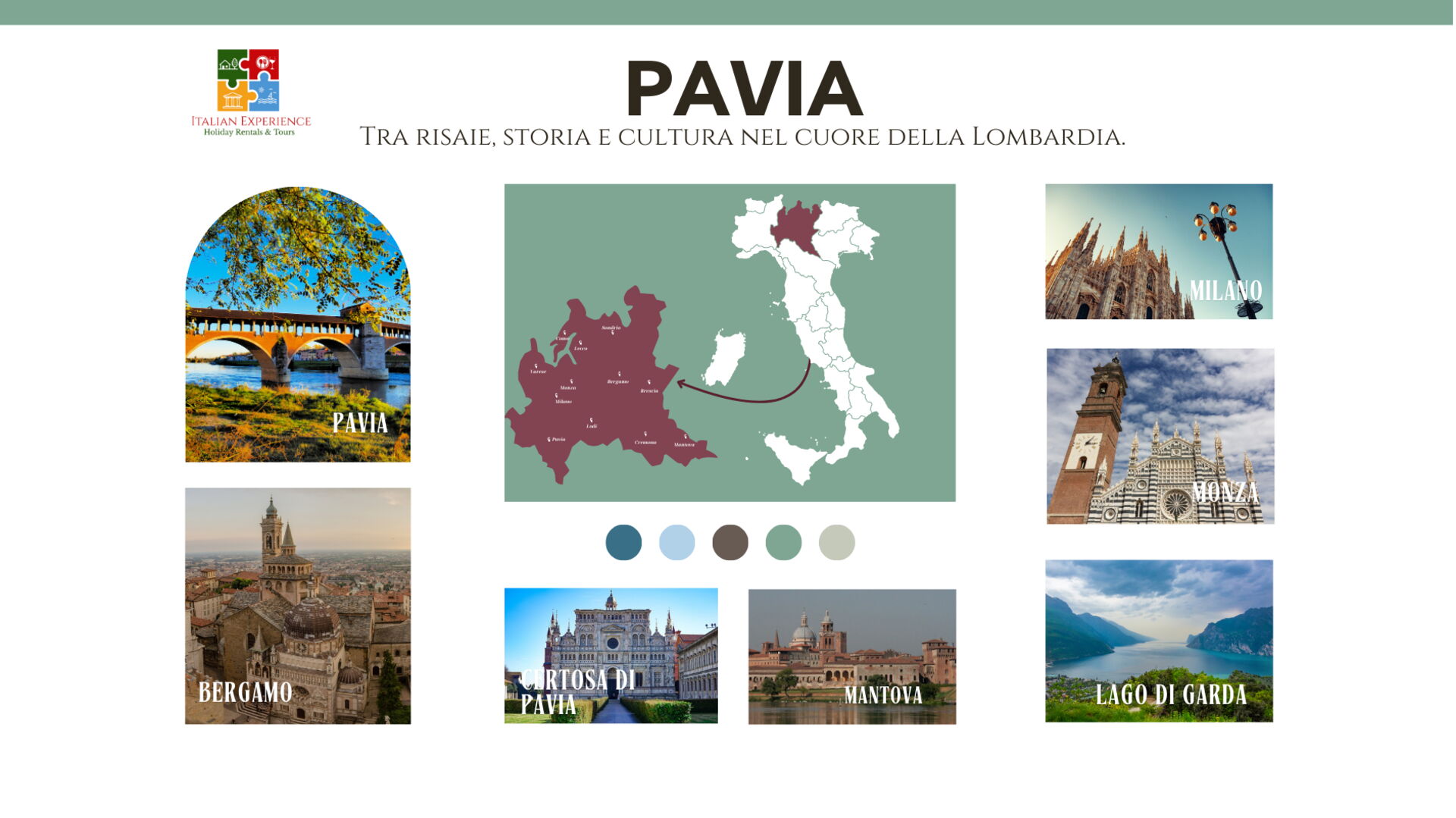
Pavia is an antiquated town in
Lombardy that is over 2000 years old, located not far from Milan that evokes fairytales, particularly the likes of Rapunzel, as it is populated by several medieval towers that reach towards the sky and look down upon modern buildings.
These thin, seemingly purposeless towers, once overwhelmed the town with their quantity and numbered a hundred. Today, far fewer exist but the town remains known as the “City of 100 Towers.”
In spite of their dwindling numbers, there are still plenty of other things to see and do in the town nowadays so why not find a
vacation rental in Lombardy and pay a visit to beautiful Pavia?
The Brera art gallery or Pinacoteca di Brera is Milan’s main public art gallery. Superb collections of artworks have been gathered across six centuries which beautifully demonstrates an evolution of art techniques from a refined Neoclassical style to Avant Garde to modernism.
See some incredible works by famous artists like Rubens, Titian, Correggio and Anthony Van Dyck.
Choose from a lovely range of
holiday rentals in Milan where you can tour around all the attractions of this fantastic city!
The
Cathedral of St. Ambrose is a building in Lombardy with roots going as far back as the tenth century, though the present structure dates to the sixteenth.
It is the seat of the Bishop of Vigevano and the current building was commissioned by Duke Francesco II Sforza in 1530.
Dedicated to St. Ambrose, it was designed by Antonio da Lonate and thought it was begun shortly afterwards, work was not completed until 1612.
With beautiful painted interiors, a newer Baroque façade and a famous treasury and museum inside, it is a typical Italian cathedral in many ways.
Located in Pavia province in
Lombardy is the delightful town of Vigevano. This old artistic town is well known for its artisan crafts and agriculture. The two main economies here are shoemaking and rice growing. Check out some fabulous
villas with guest reviews in Lombardy where you could book a stay and visit Vigevano for yourself!
Begin your tours of Vigevano in its stunning
Piazza Ducale, a Renaissance square designed by Bramante in the town centre.
Renowned as one of the finest piazzas in Italy, the Piazza Ducale is rectangular in shape and was originally built to be a noble forecourt to the Castello Sforzesco. See the beautiful old cathedral that frames one side of Piazza Ducale built in a decorative Baroque style. It houses some splendid artworks inside worth seeing.
Immerse yourself in the home of opera music across the beautiful land of Italy! Opera music has flourished for over four centuries here and its origins were somewhat unprecedented.
During the 16th century in Florence, a group of poets, composers and scholars called the Camerata recreated what they believed were the ancient traditions of Greek drama.
Stay in a
holiday rental in Florence where you can learn more about the revolutionary Camerata and attend a range of opera performances throughout the city!
If you are planning to enjoy a sunny holiday in the area of
Milan in Northern Italy, you can’t pass by the opportunity to visit the famous Santa Maria delle Grazie church and convent in Milan city in which the original fresco of ‘
The Last Supper’ by Leonardo di Vinci was painted onto the refectory wall!
Enjoy a welcoming stay in one of many exclusive
holiday villas in Milan where you can base a trip to this historical building.
Began in 1463, this seemingly humble building was finished by some of the greatest architects and painters in Renaissance history. Donato Bramante, who was one of the first architects to work on St. Peter’s Basilica in Rome, designed the apse and cloister of the church which can still be admired today. But it is Leonardo da Vinci’s famous ‘Last Supper’ fresco that continues to draw thousands of tourists to this church year after year.