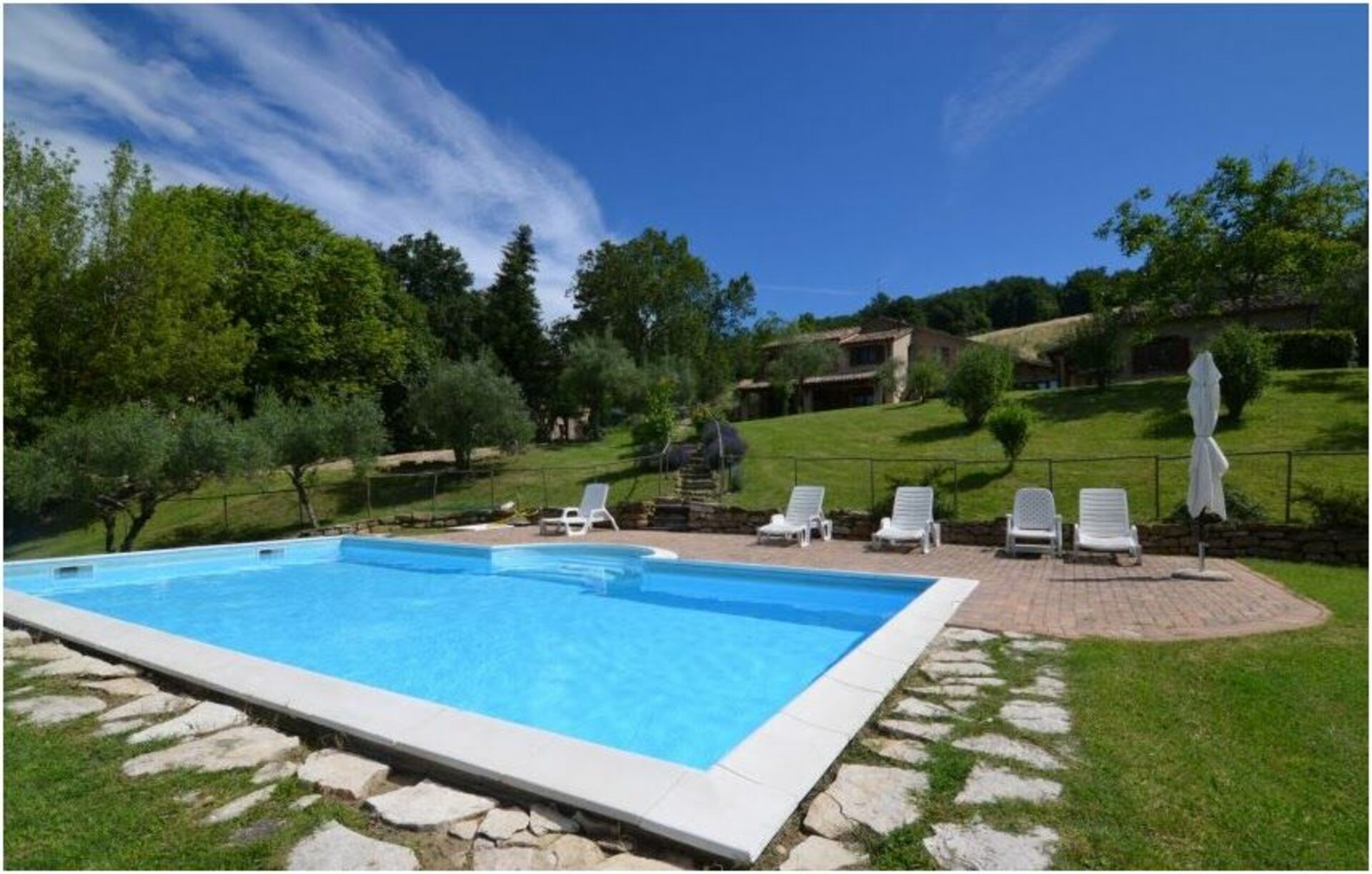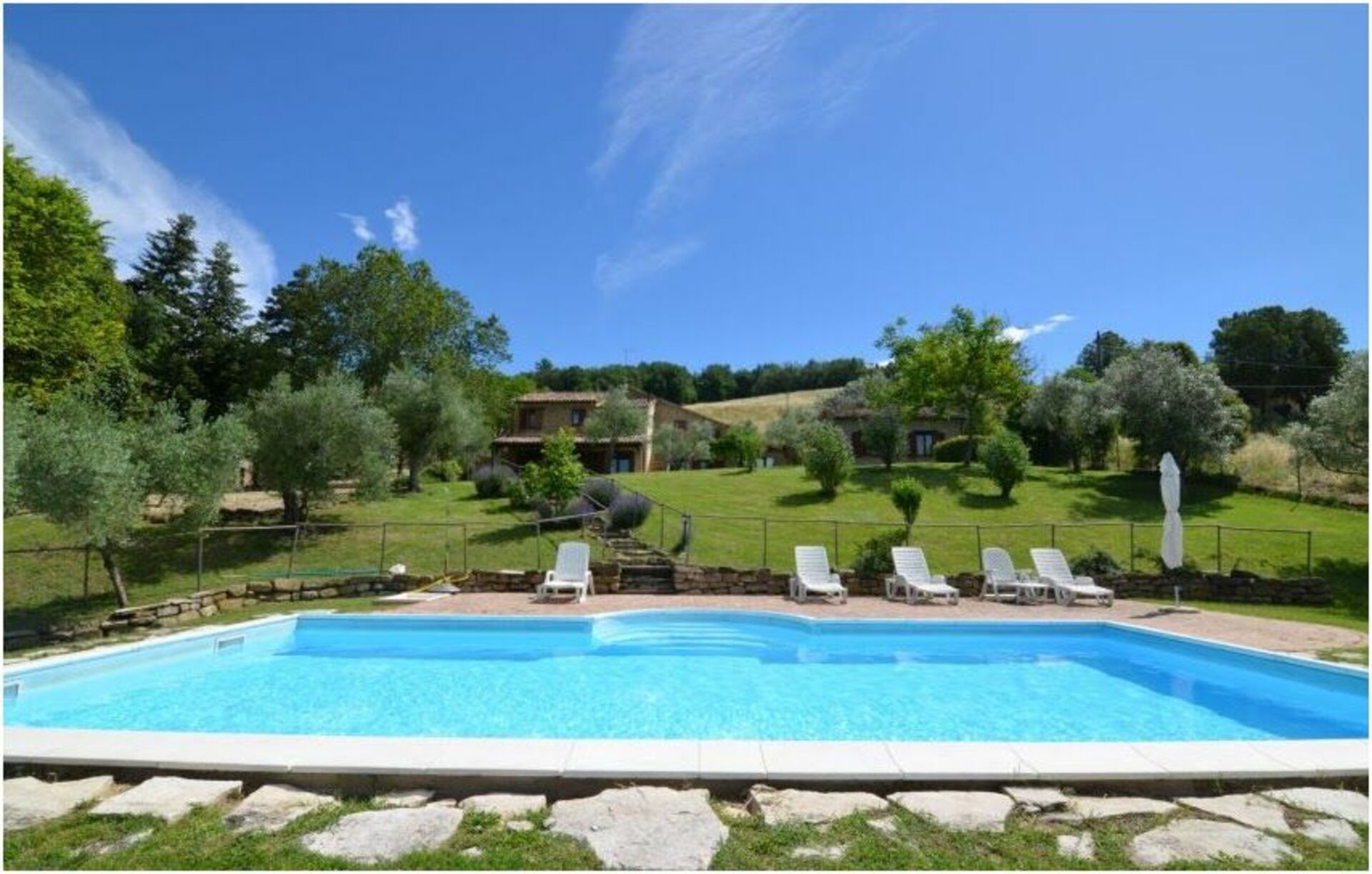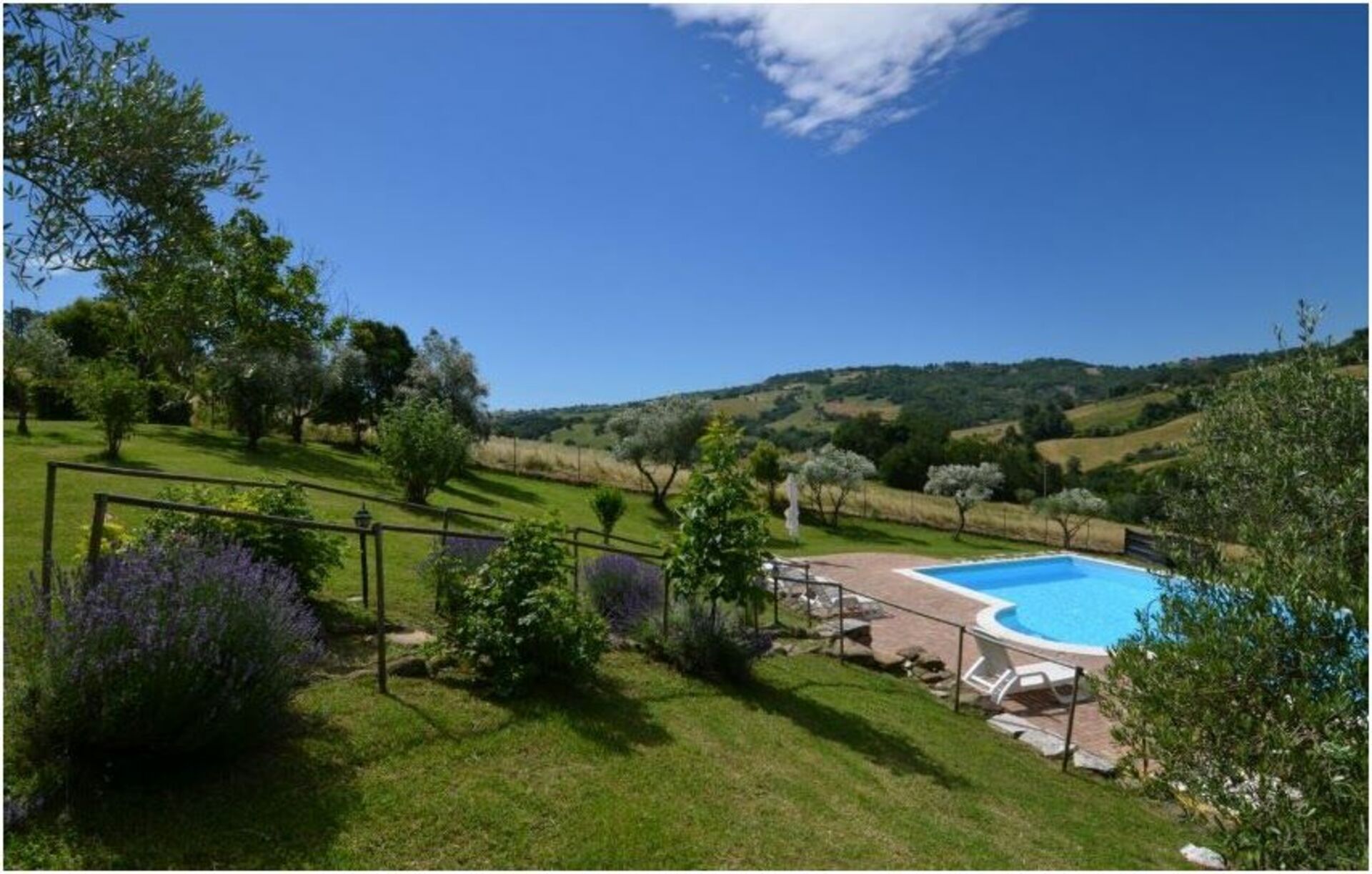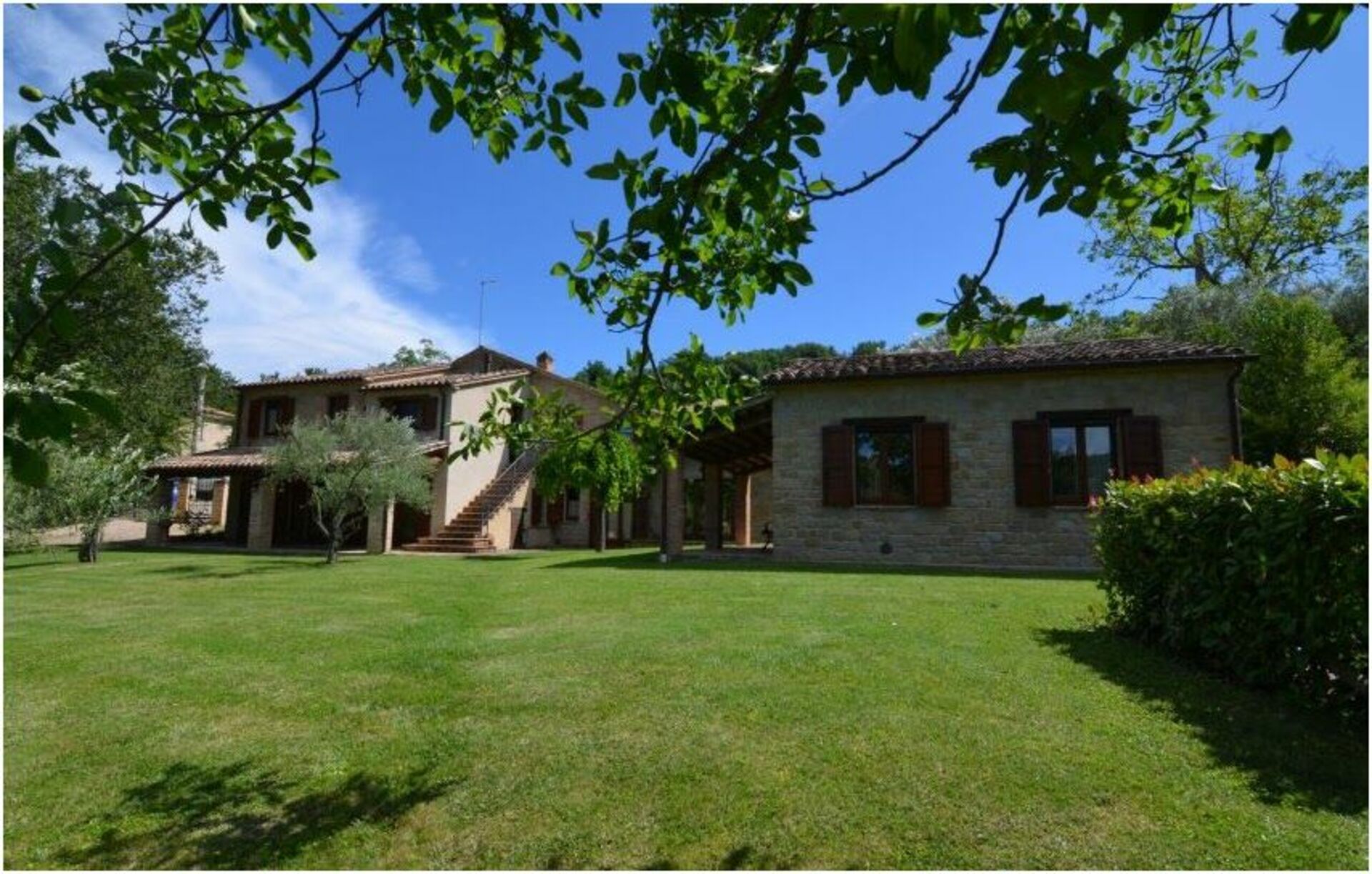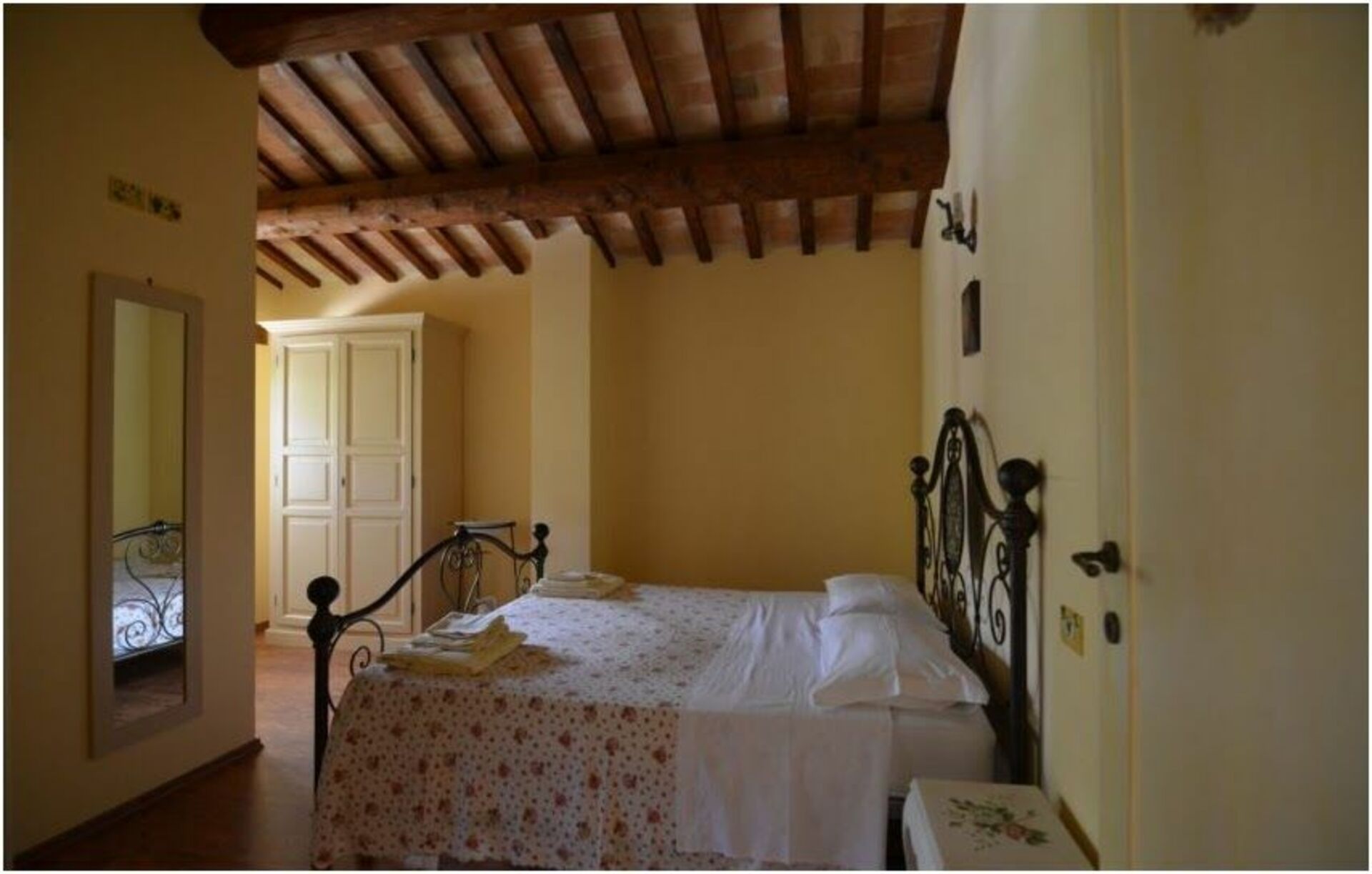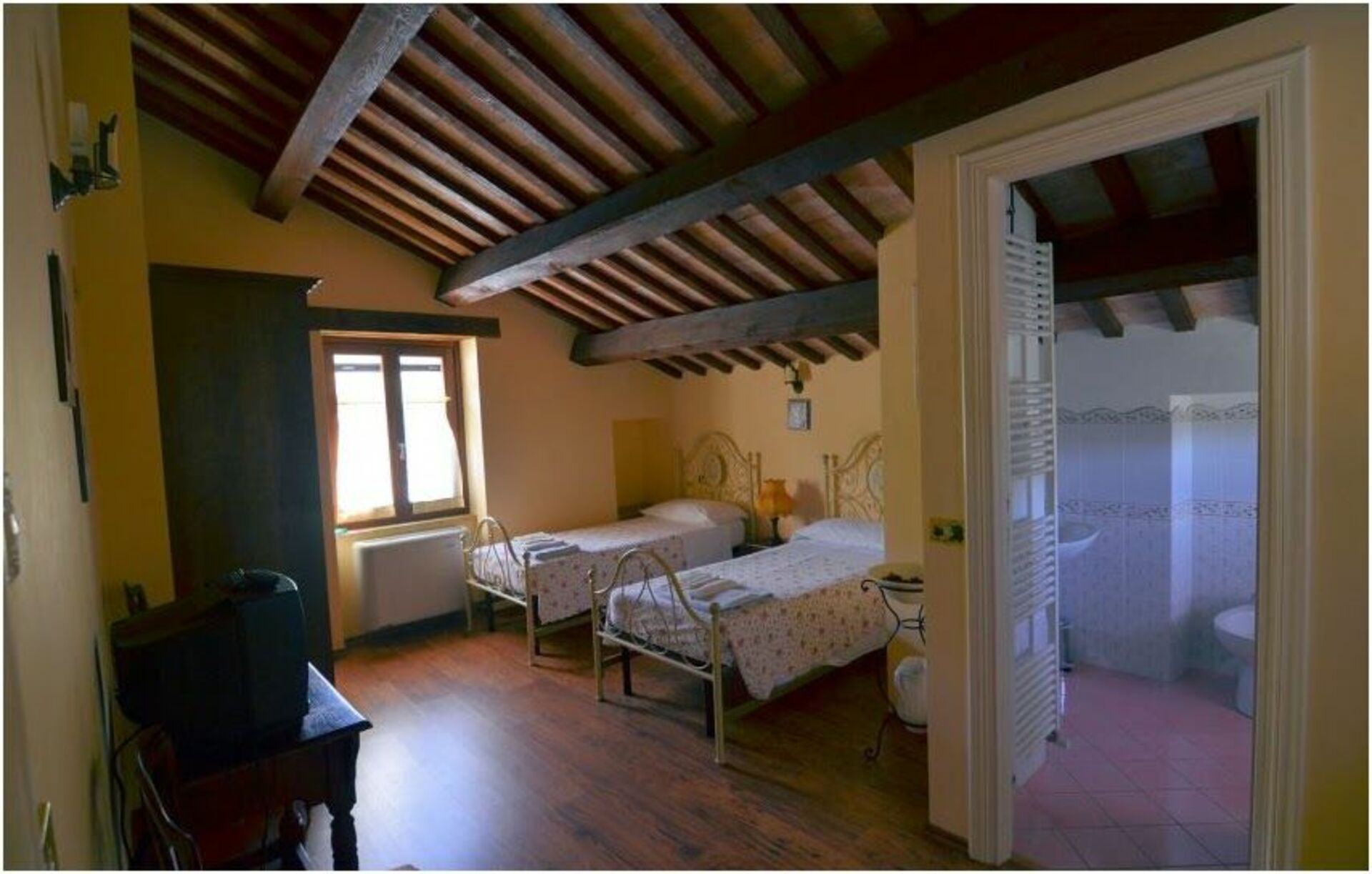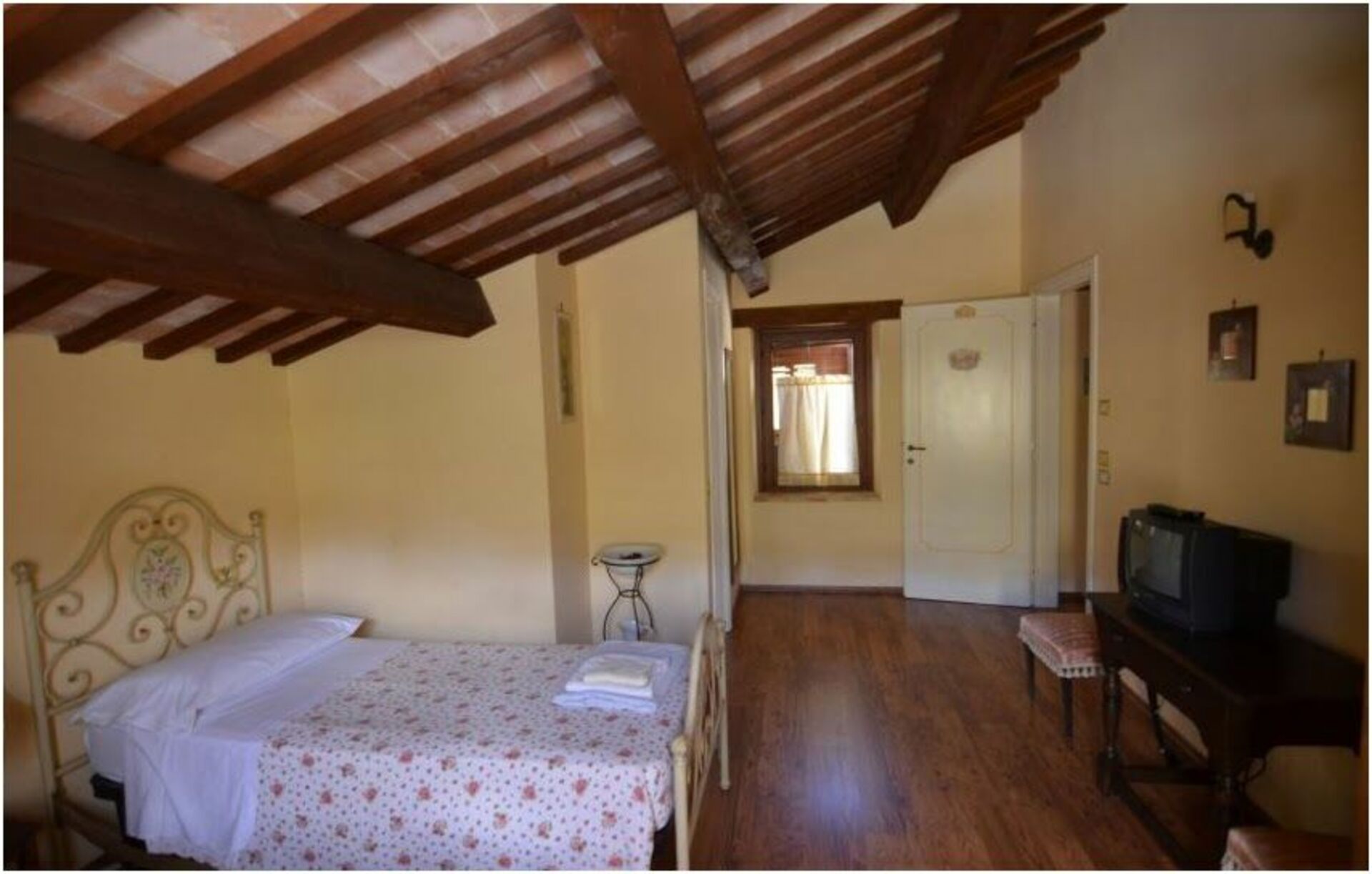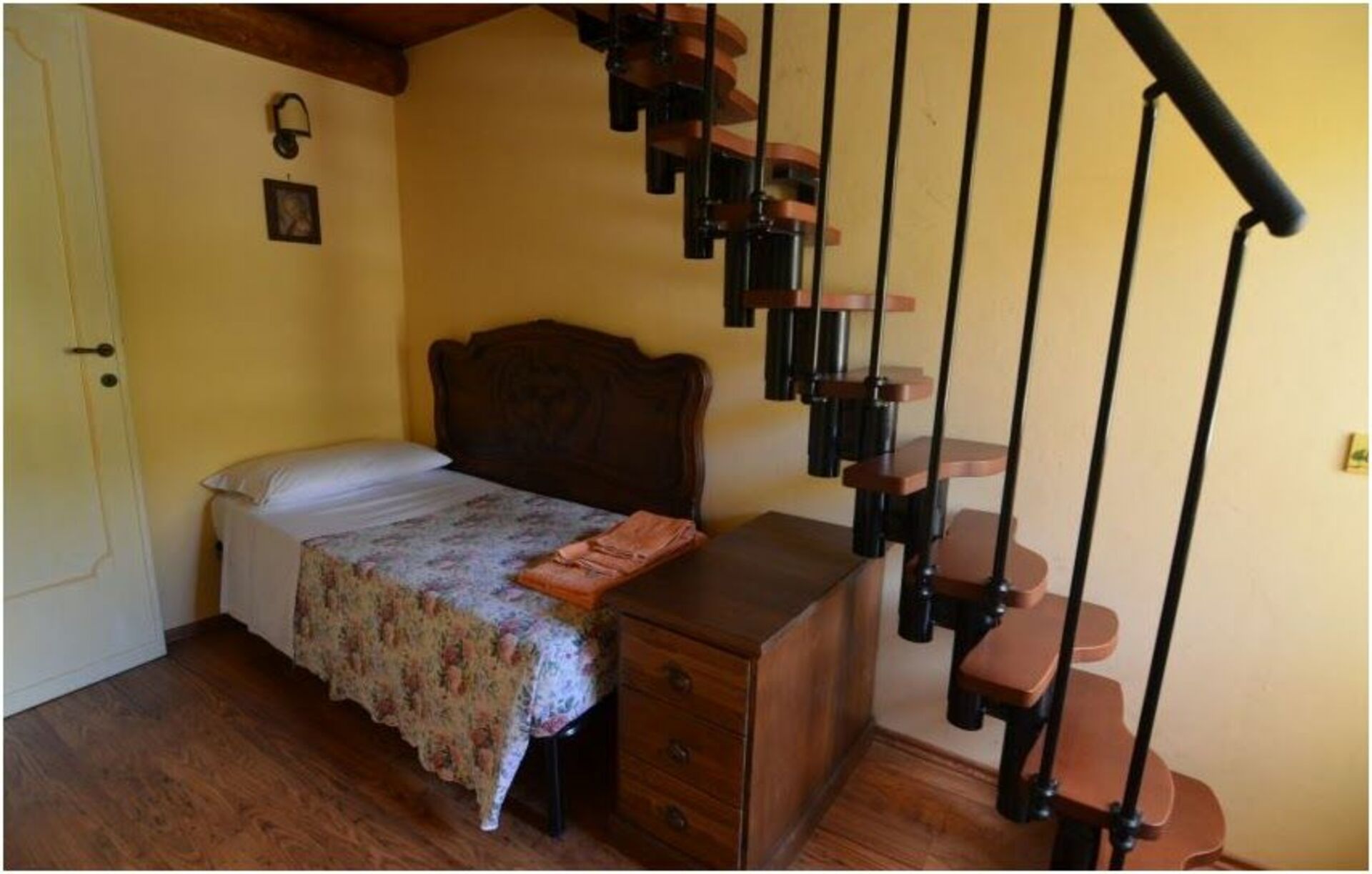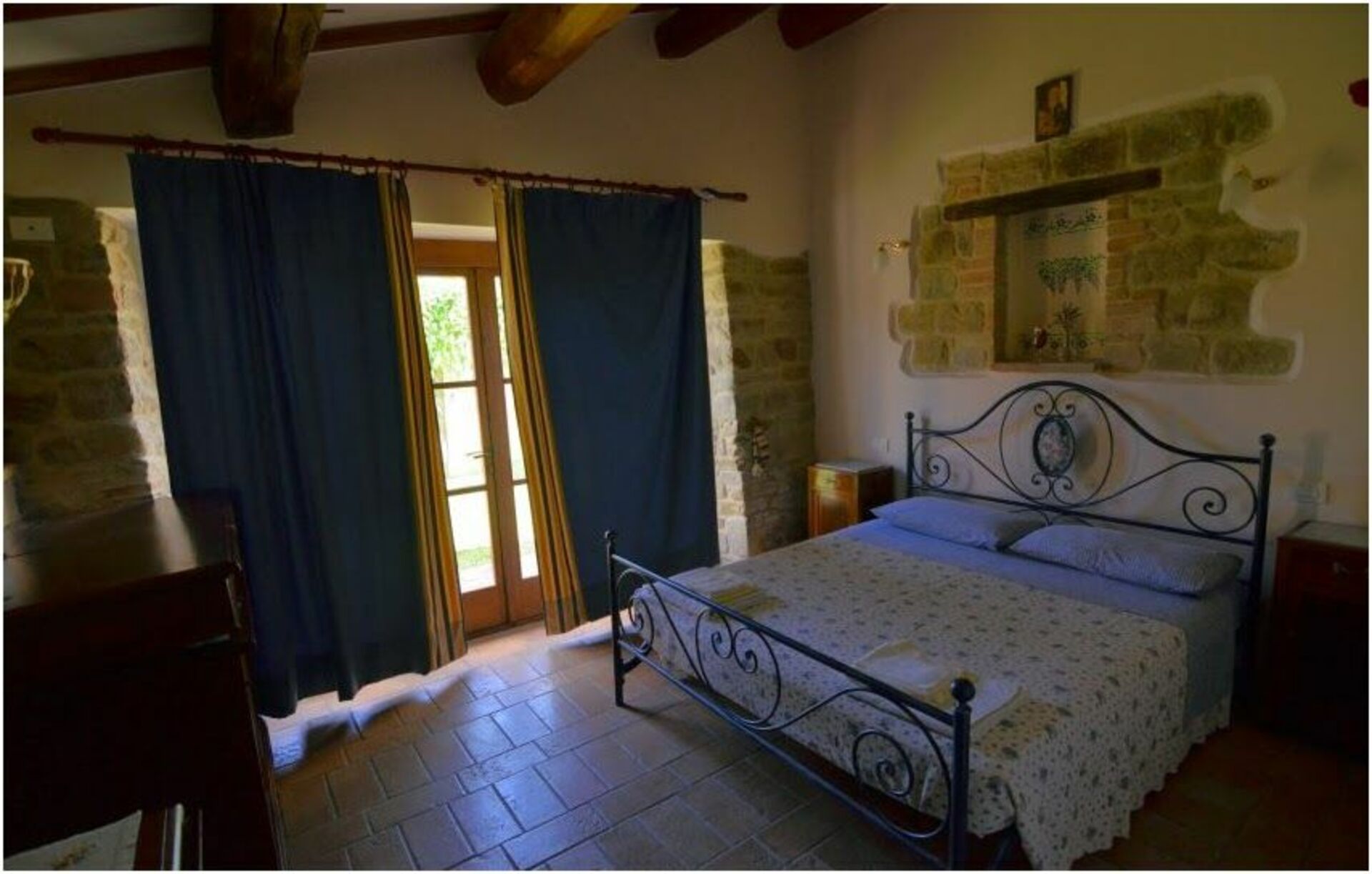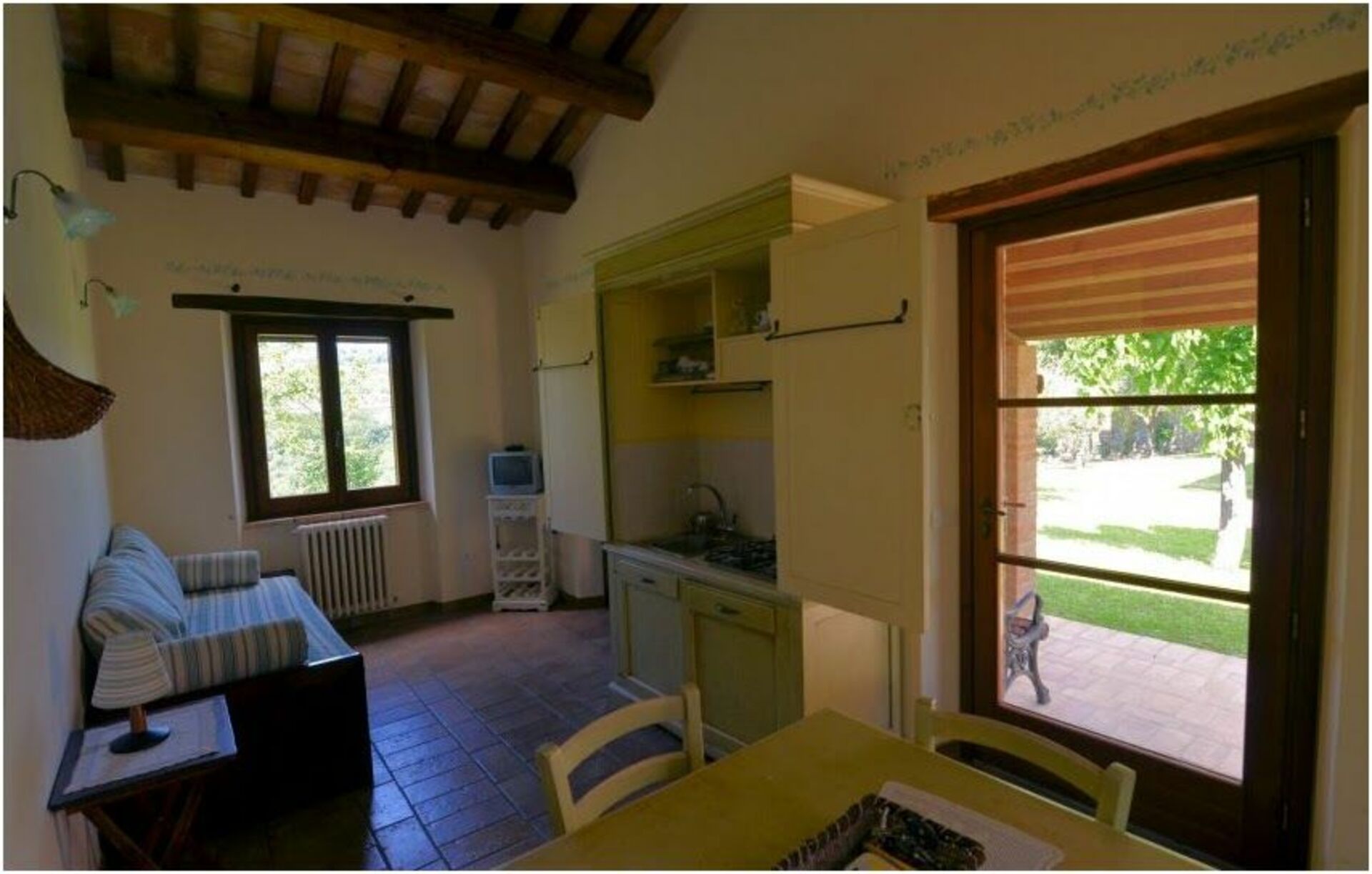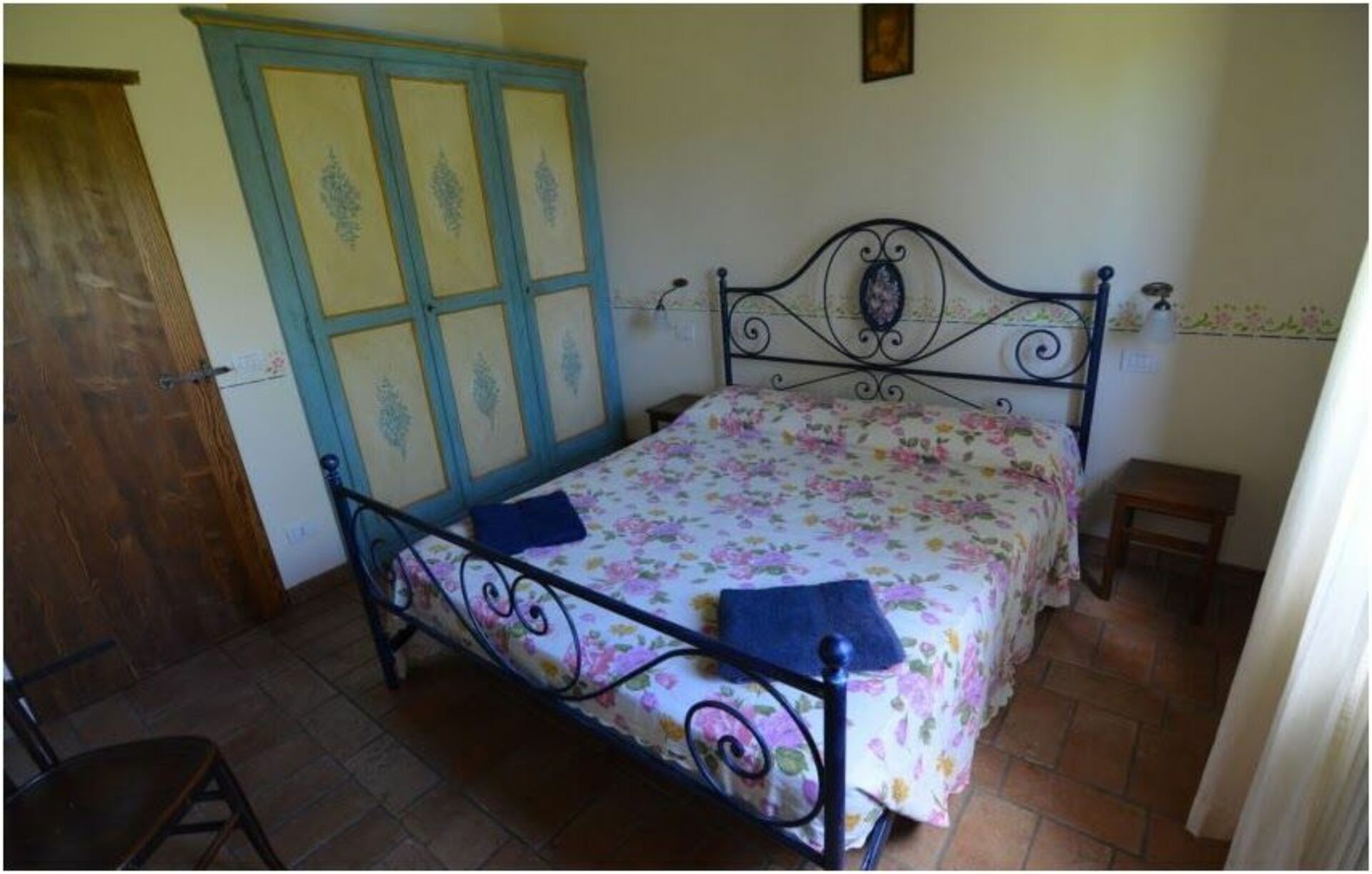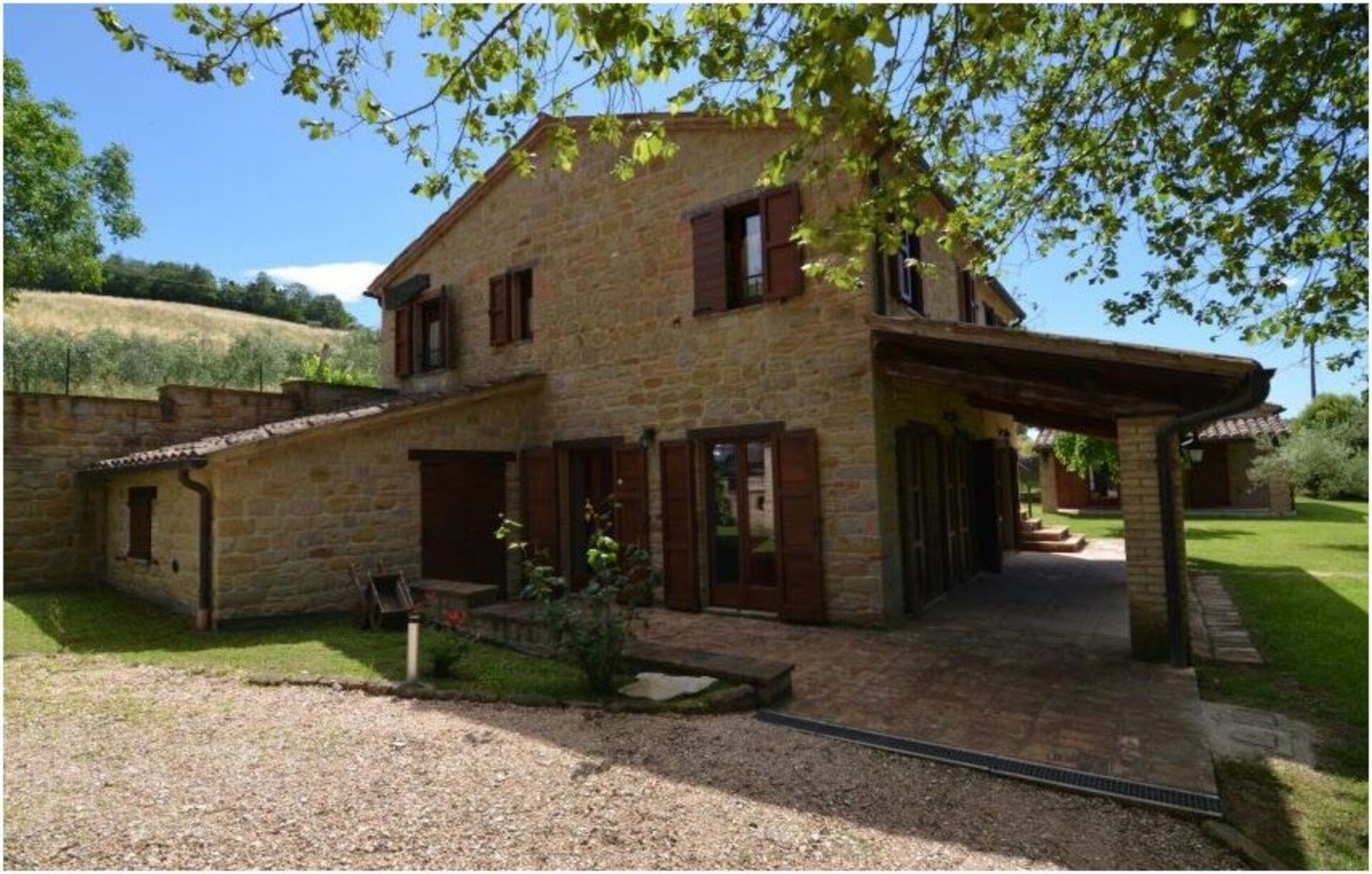

Each year, we work to get the next year’s villas ready for booking in advance in order to make it even easier for our customers to secure the exact dates, destination, and villa that they are after. As of this week, our 2023 calendar has been opened, allowing all of our early birds and organised holiday-planners to start thinking about their 2023 vacation right now. So, whether you just like having plenty of options and availability, you’re booking a big trip for your extended family or friends, you’re looking to commemorate an important birthday or anniversary, you’re planning a wedding, or any and all of the above, then now is the best time to get to it! You will currently find the widest range of amazing vacation rentals in Italy across our website, with a variety of price points, locations, destinations, amenities, and more to choose from but here is a small sample of some of the incredible holiday rentals in Italy that you could be enjoying on your 2023 Italian getaway if you book today...
La Villa in Collina
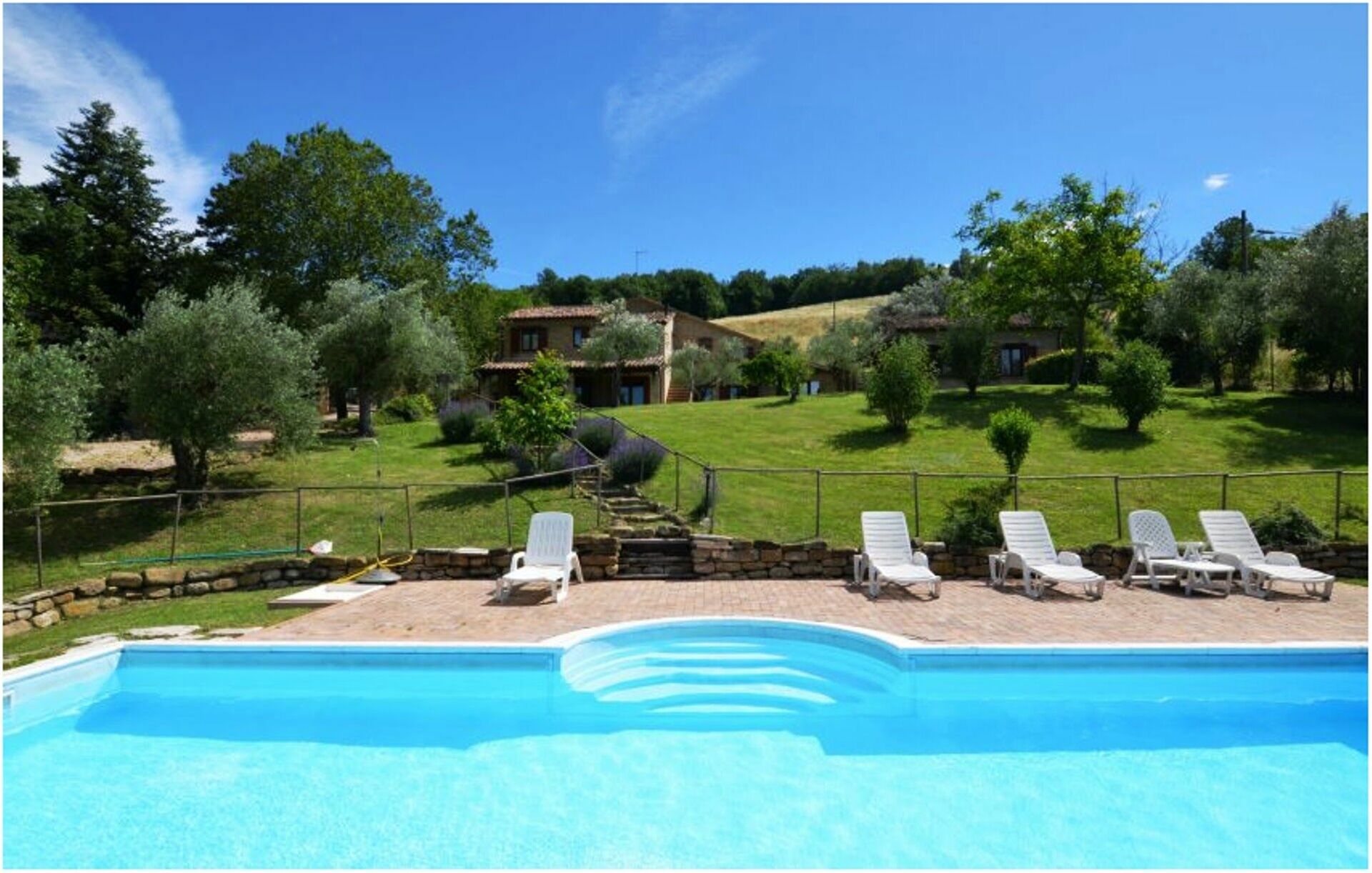
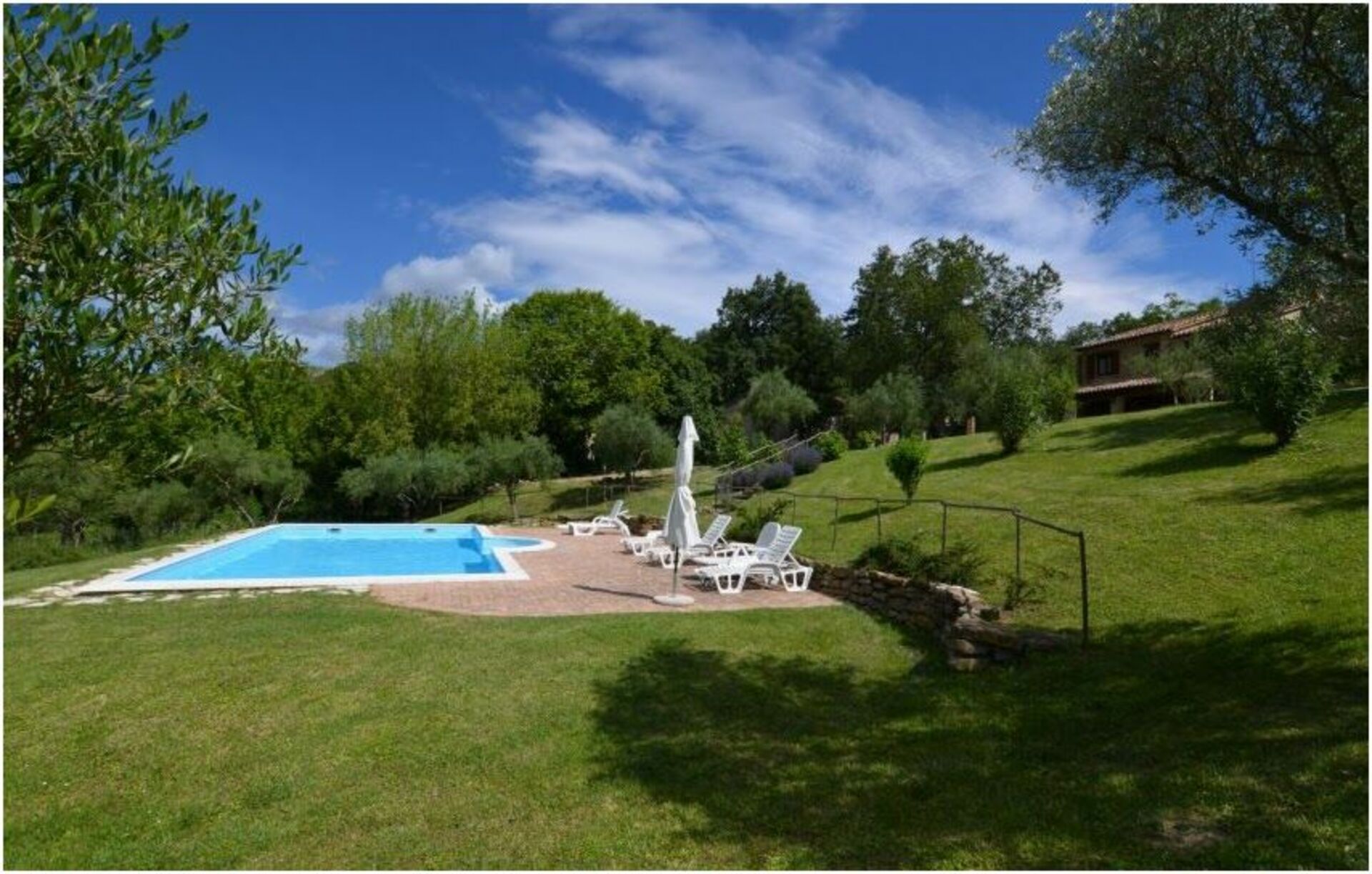
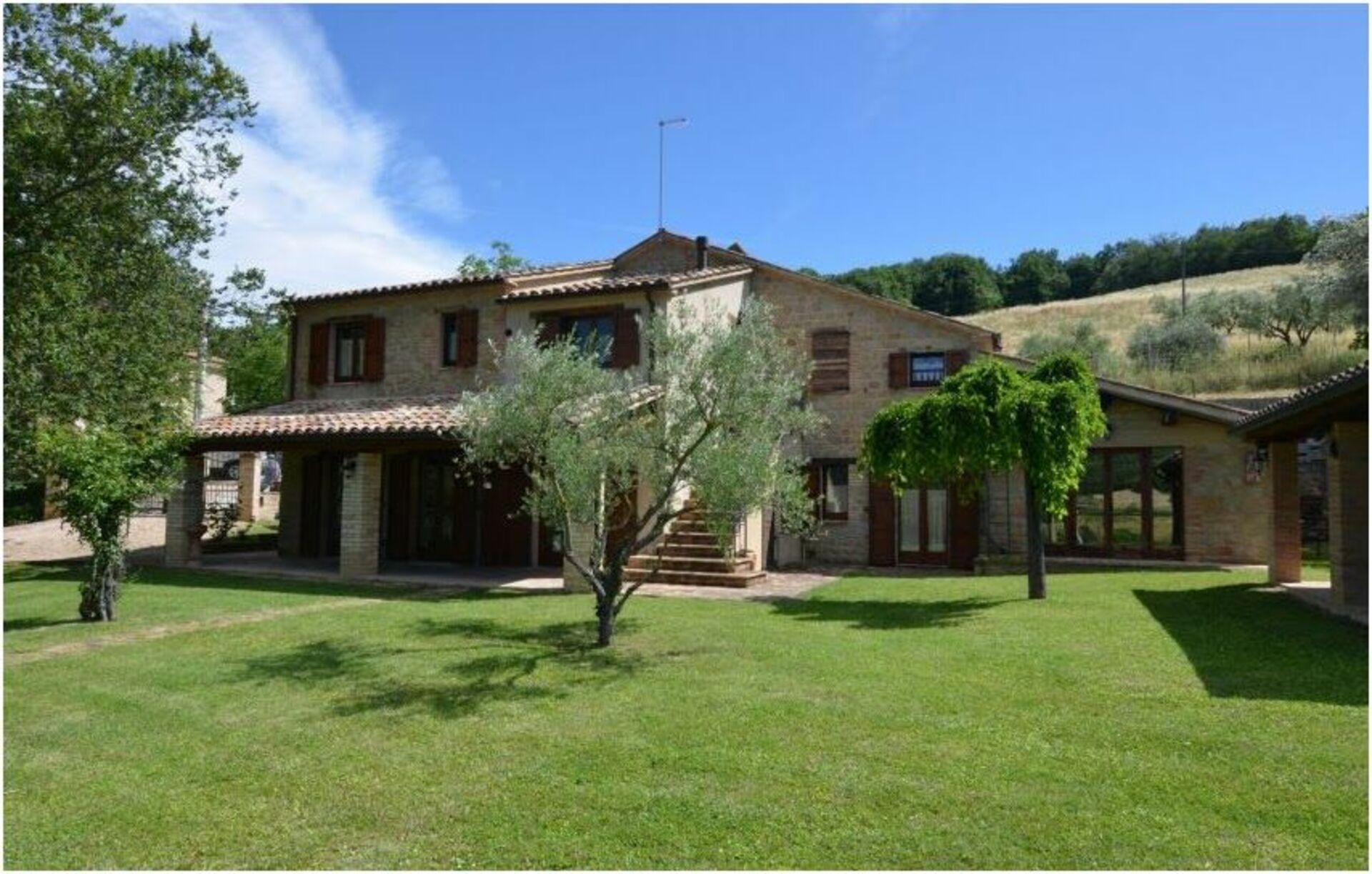
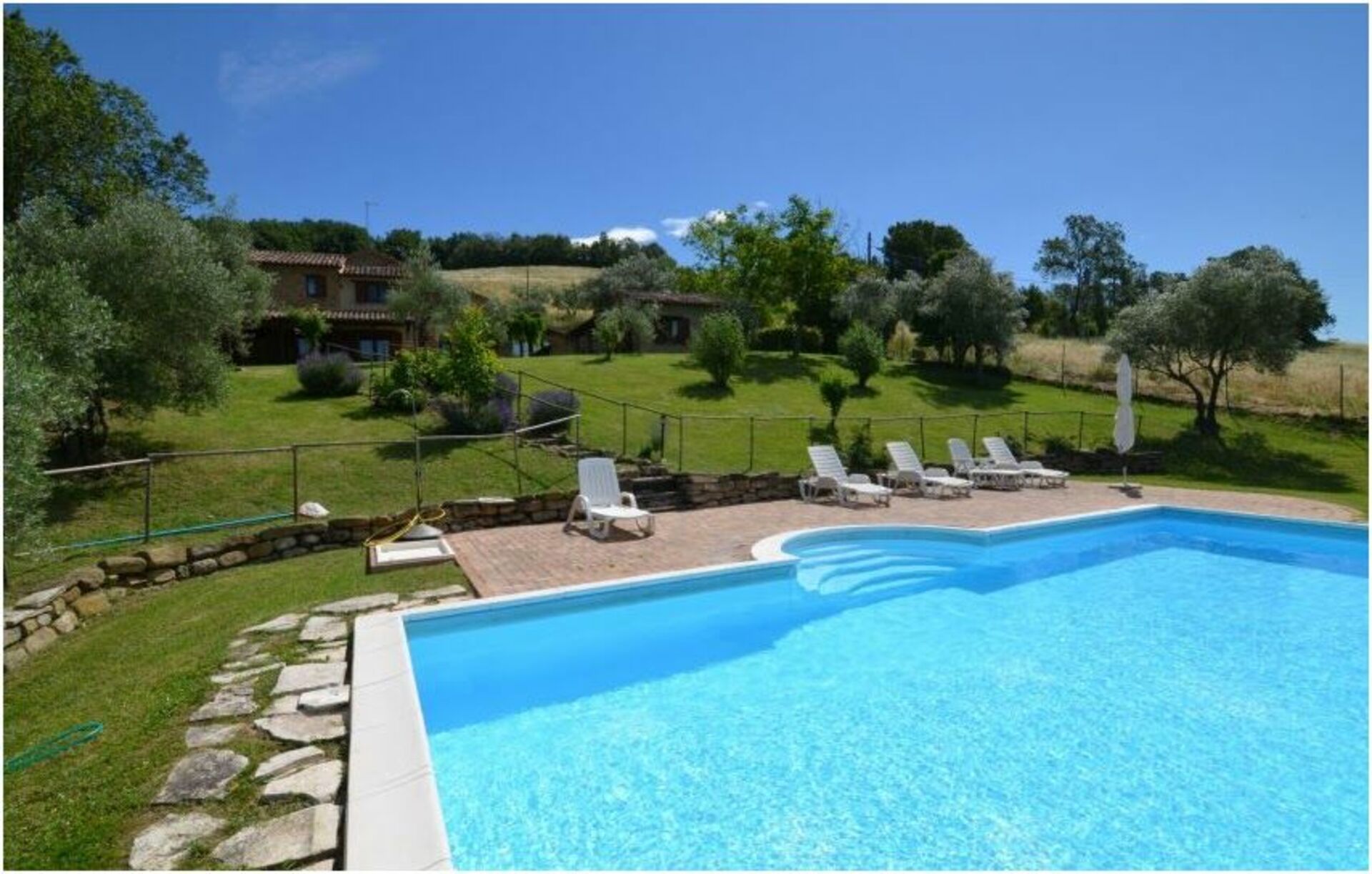
Stunning private accommodation with private pool, WIFI, TV, patio and parking
Property Description
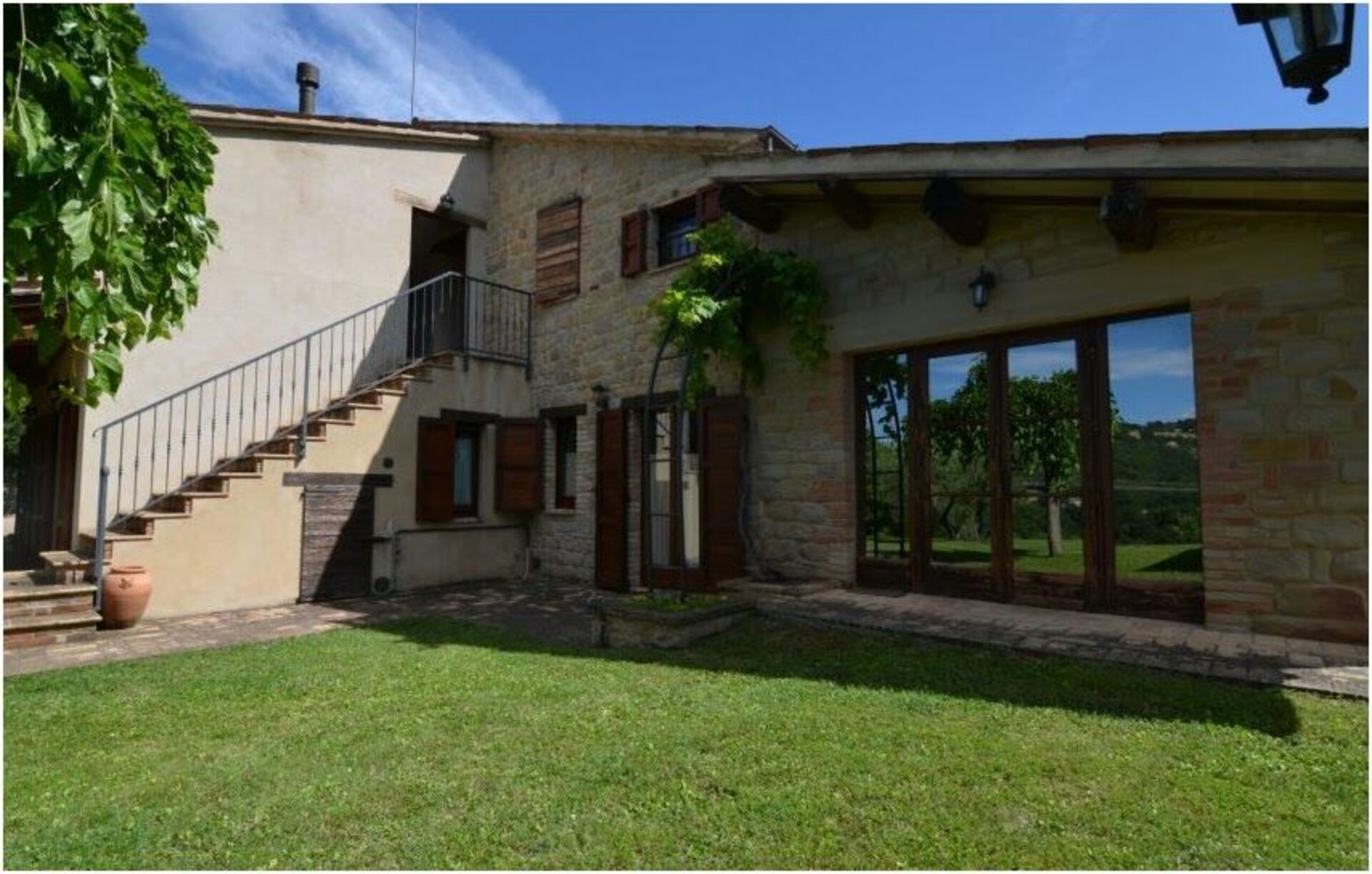
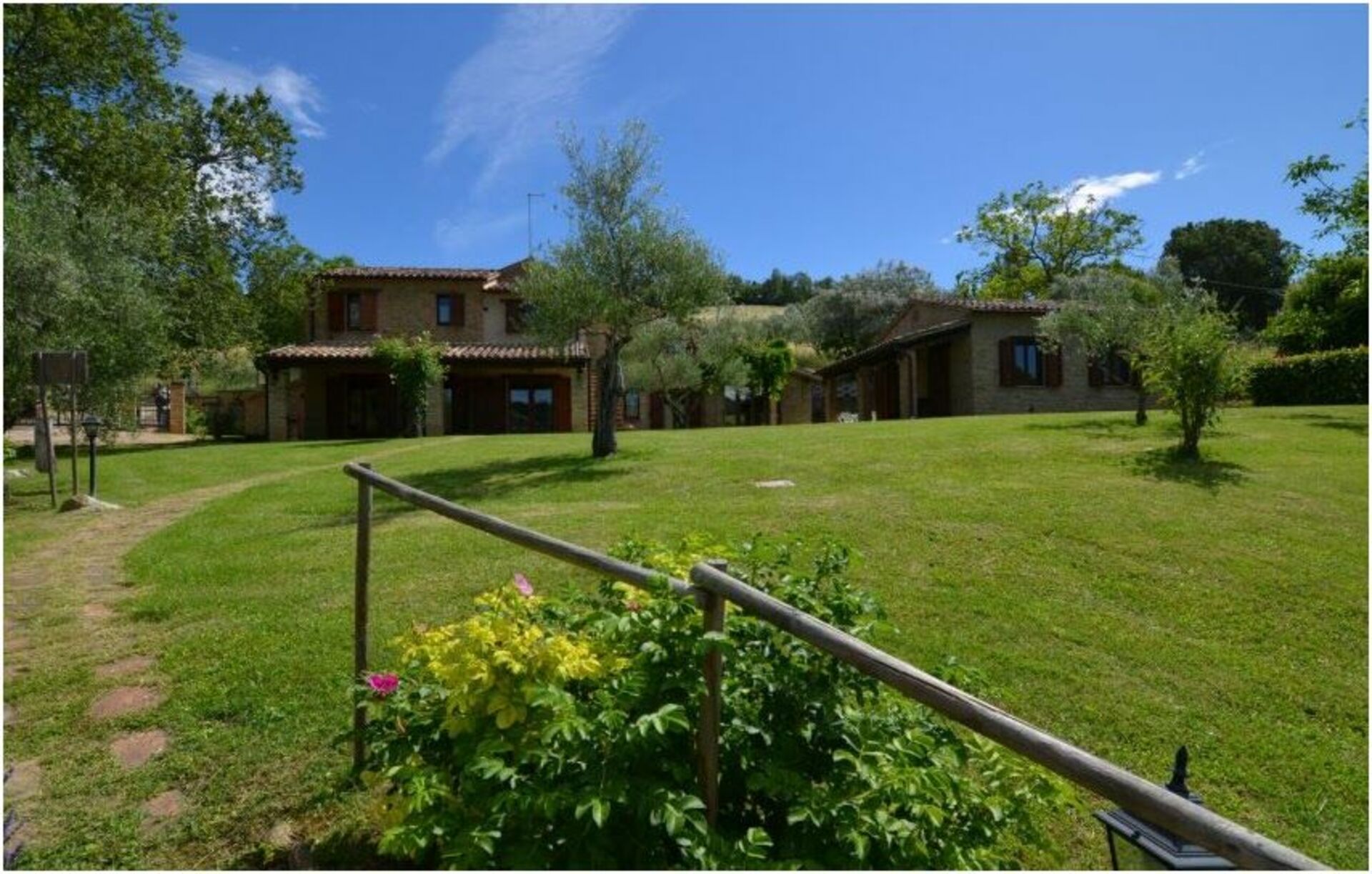
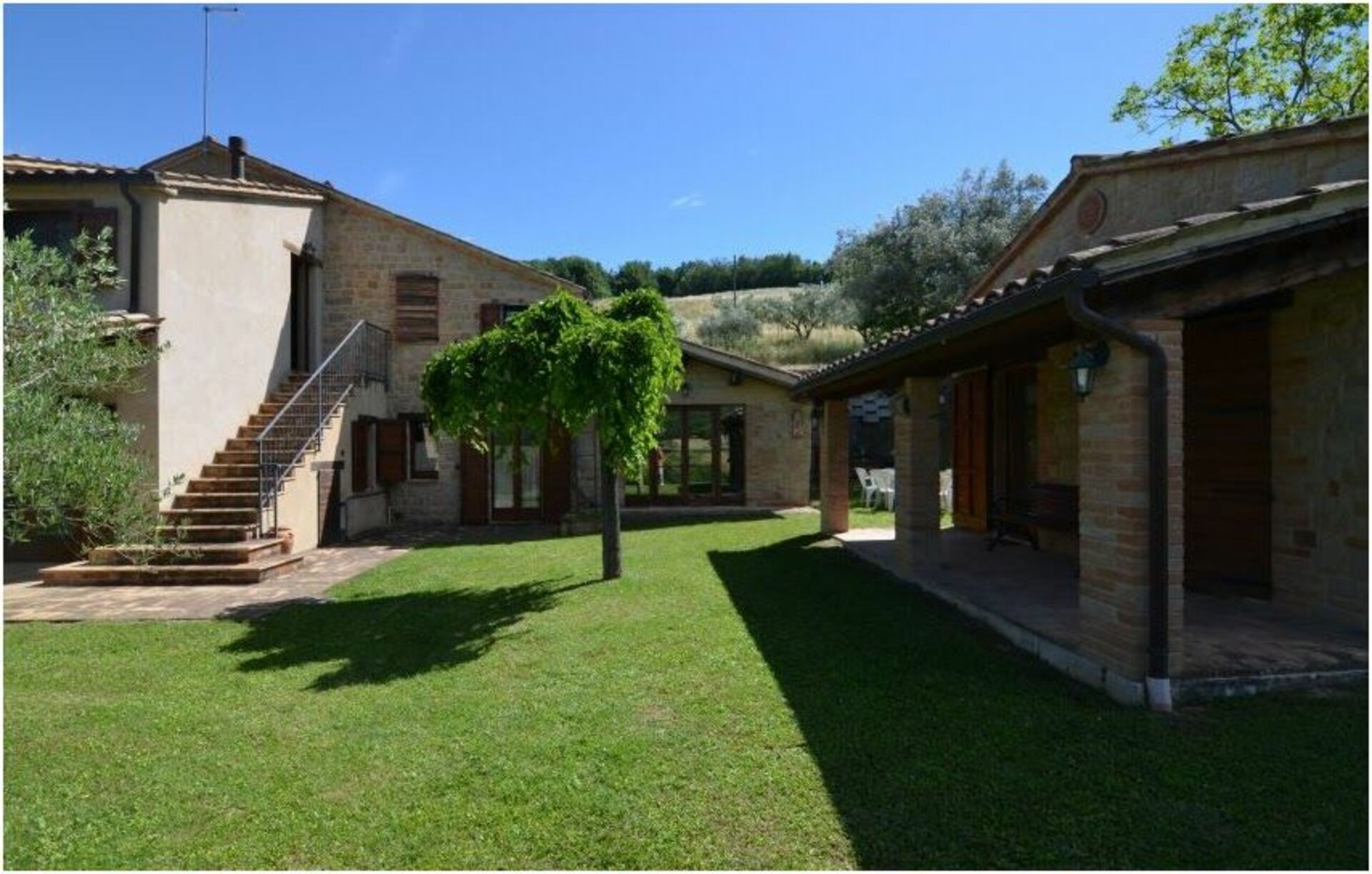
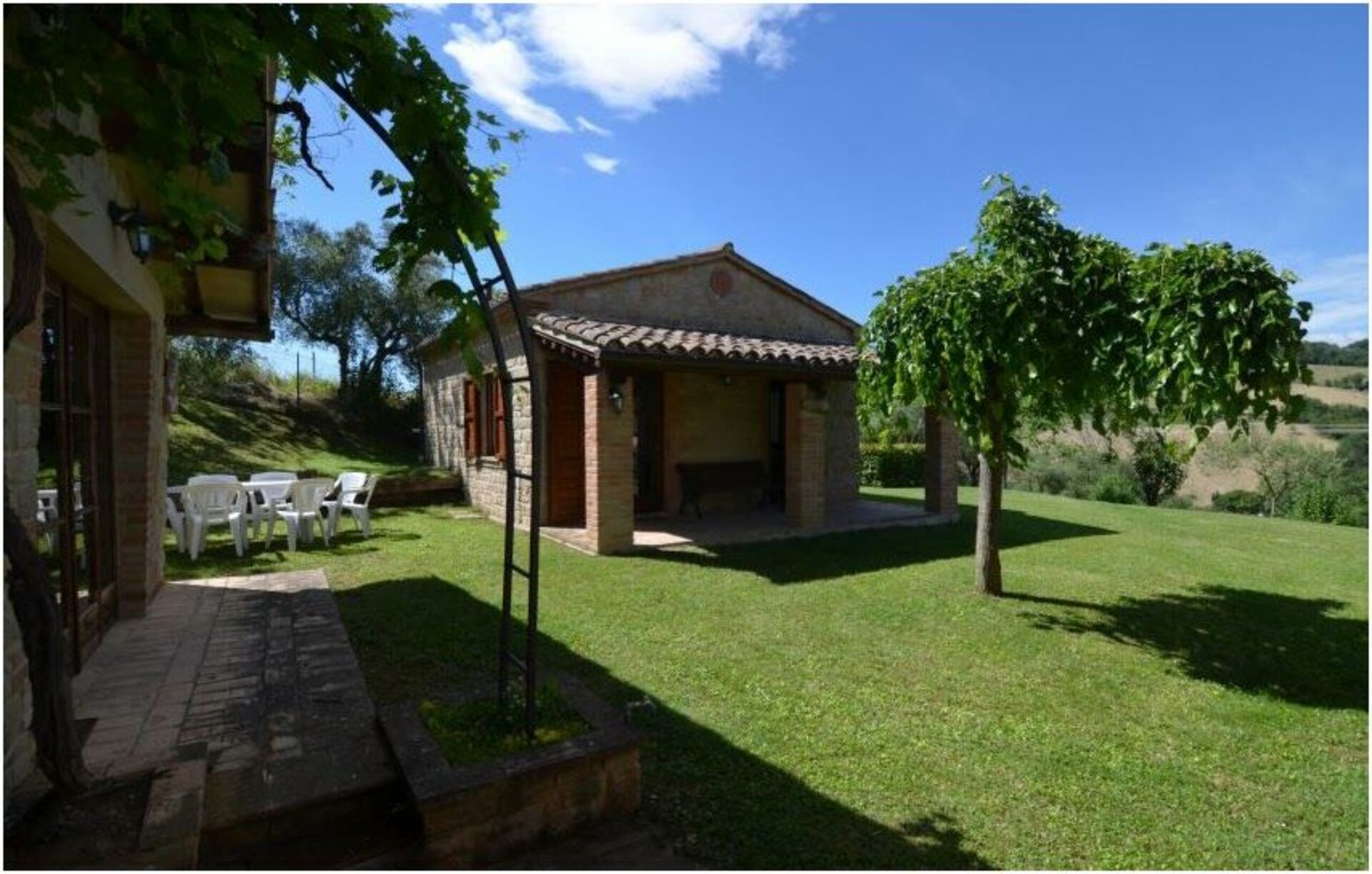
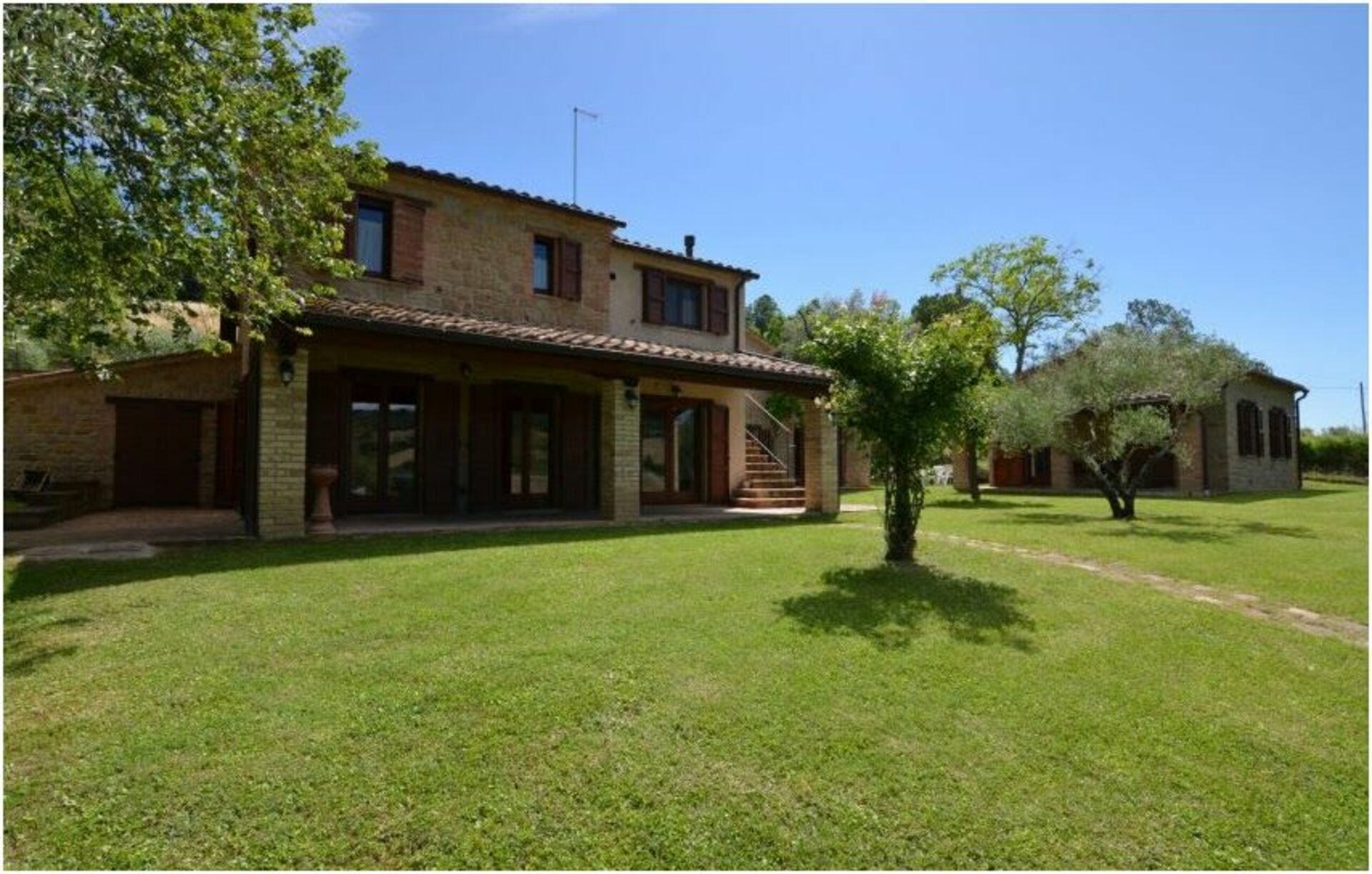
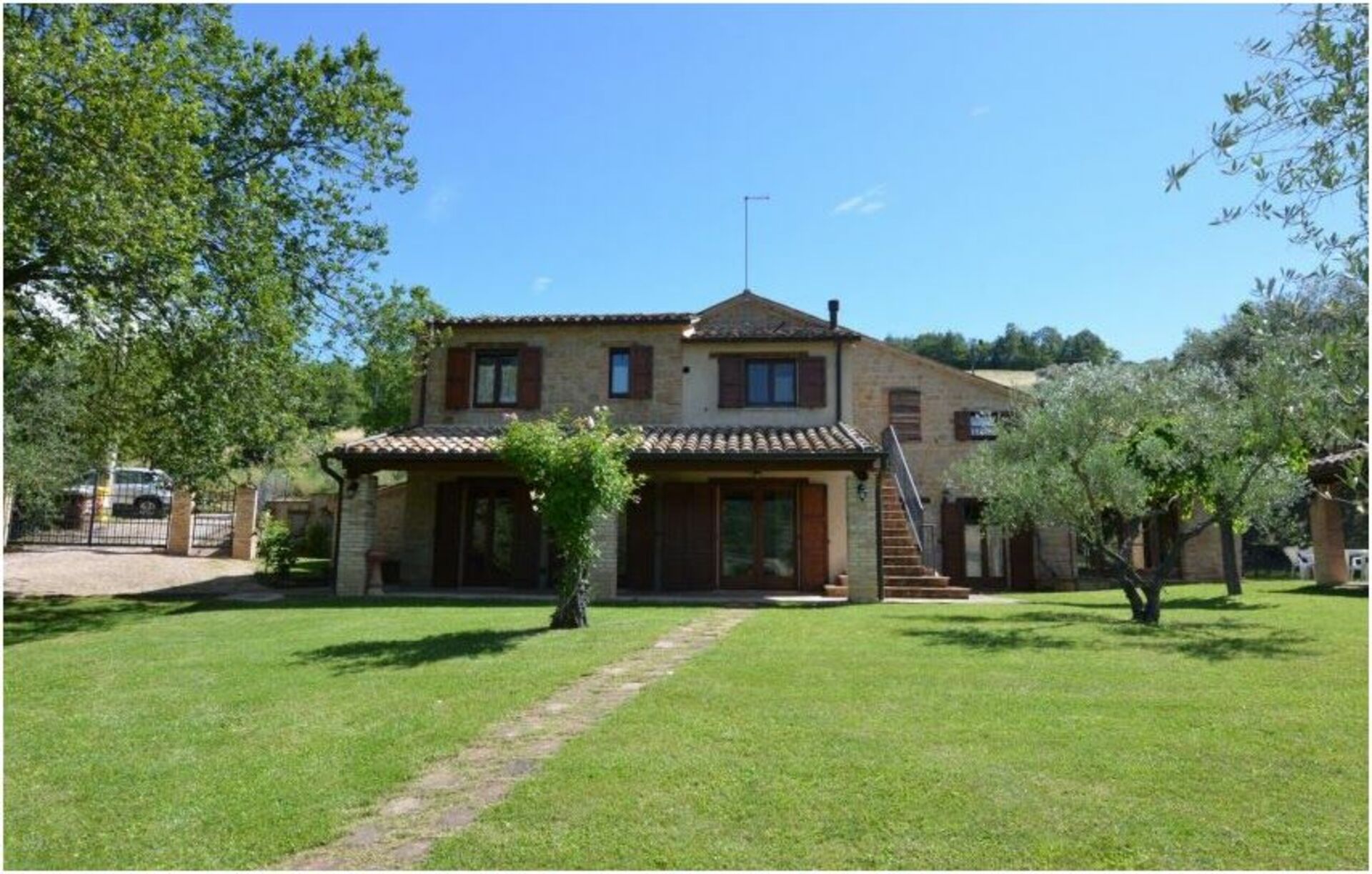
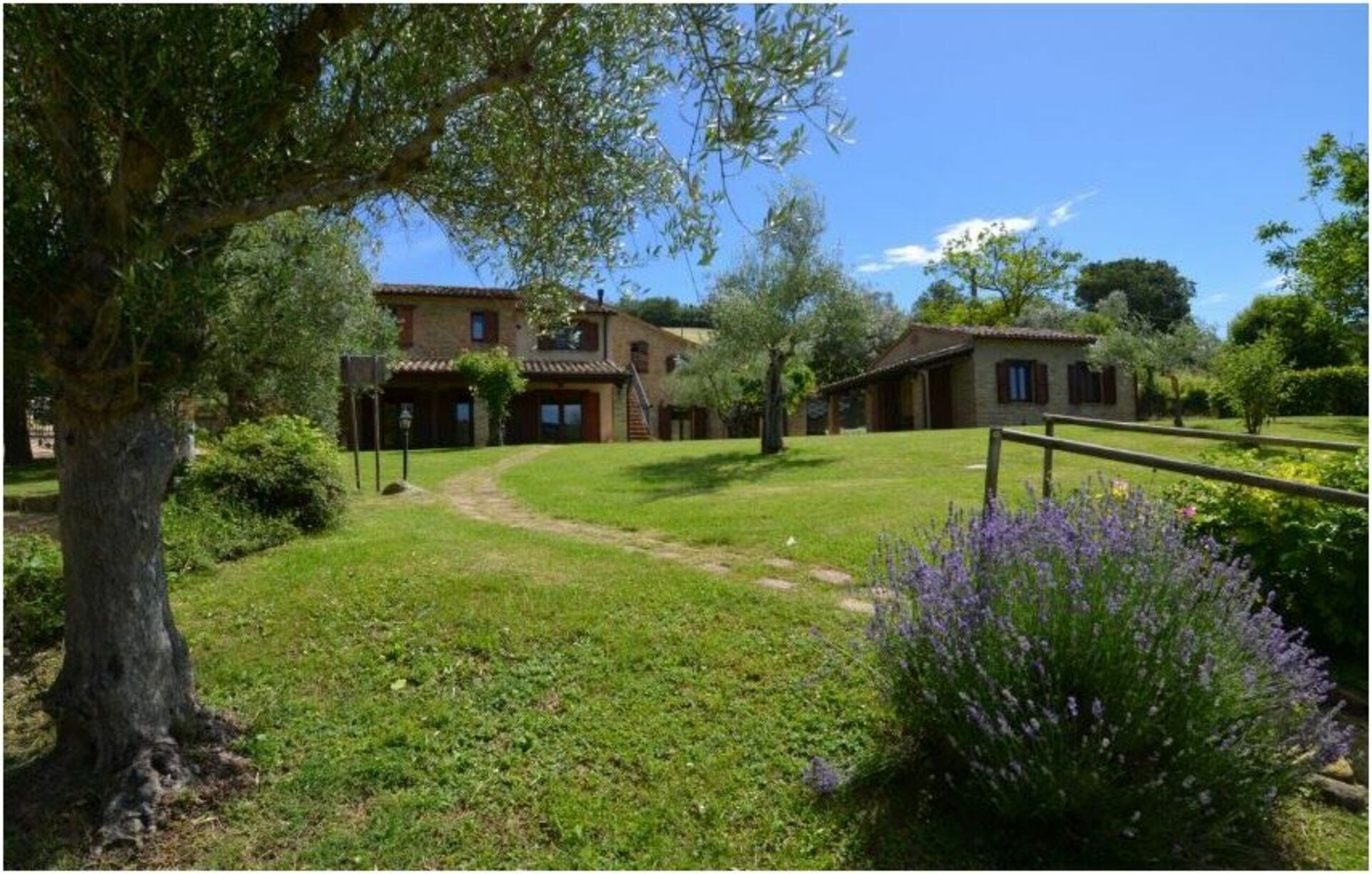
La Villa In Collina is located 6 km (3 mi) from Gualdo, Italy and only 48 km (30 mi) from Camerino. Property La Villa In Collina is a lovely stone building (220 sq m) that includes private pool and WiFi internet. The property can sleep up to 15 people comfortably in six bedrooms with seven bathrooms. In nearby towns there are local shops where you can find fresh produce and other items. If you can't find what you need locally, there is a shopping center located 16 km (10 mi) from the property where you can purchase your food and personal items.
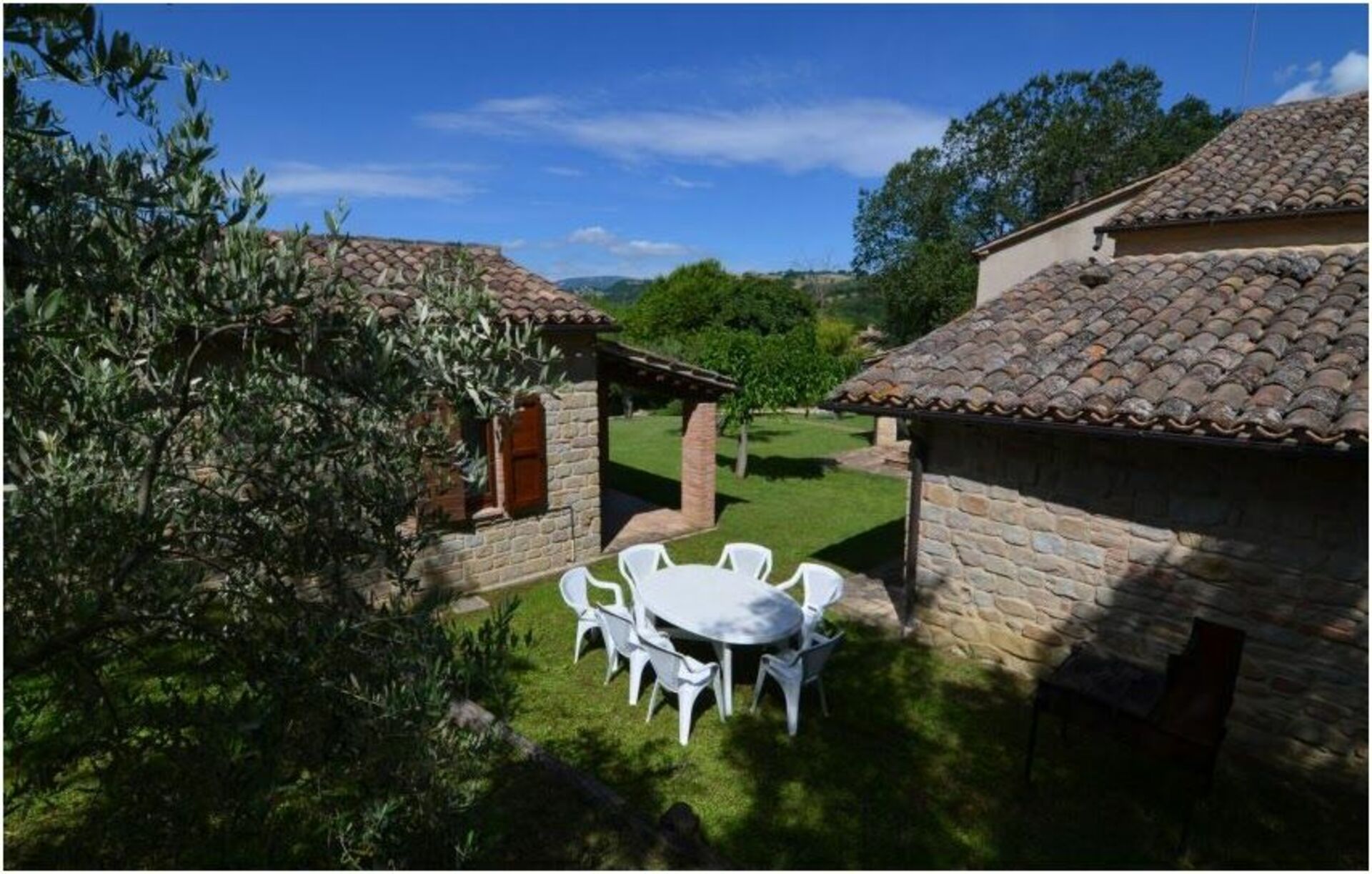
The cottage consists of a central house and an outbuilding.
What to Expect
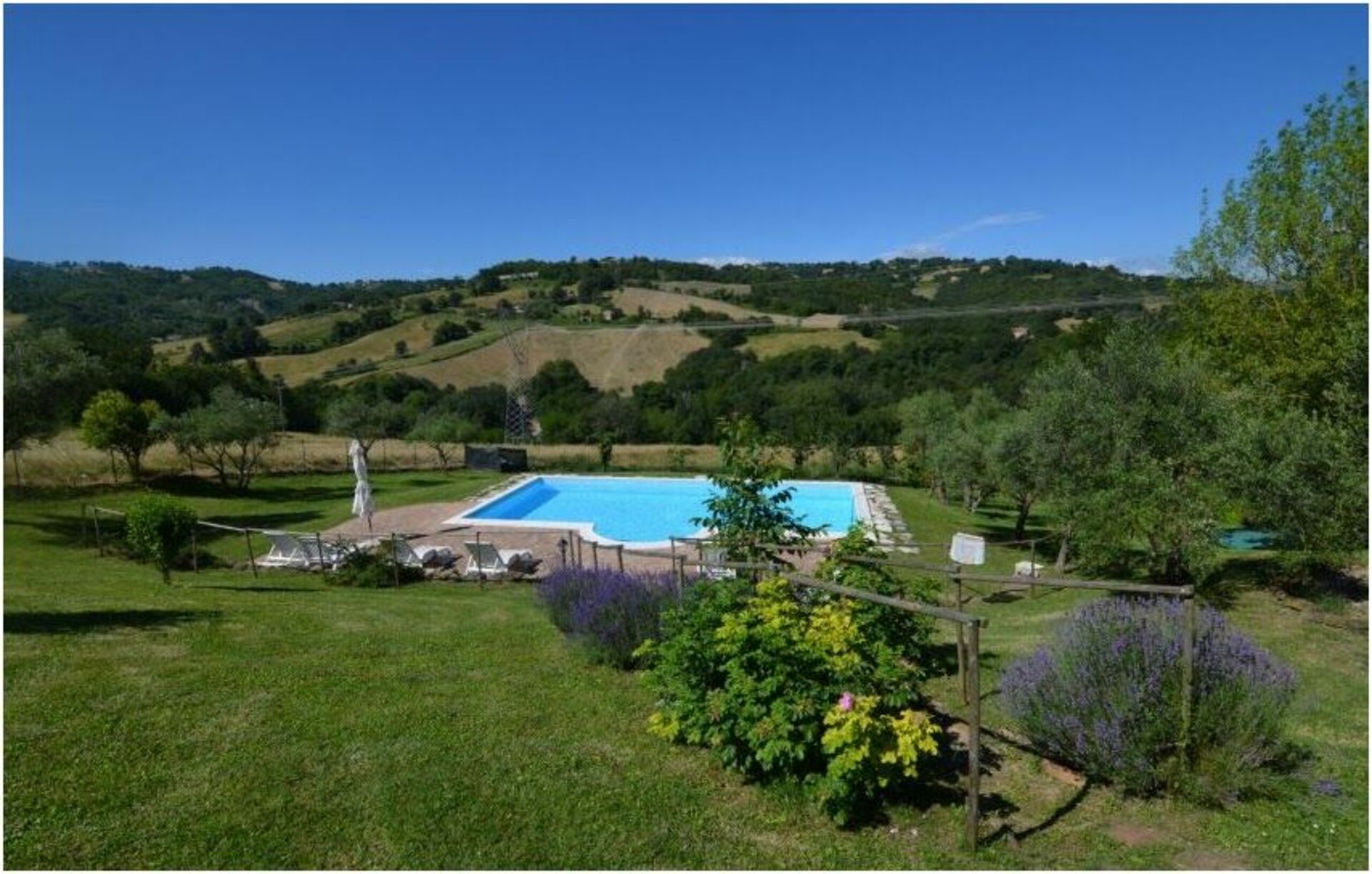
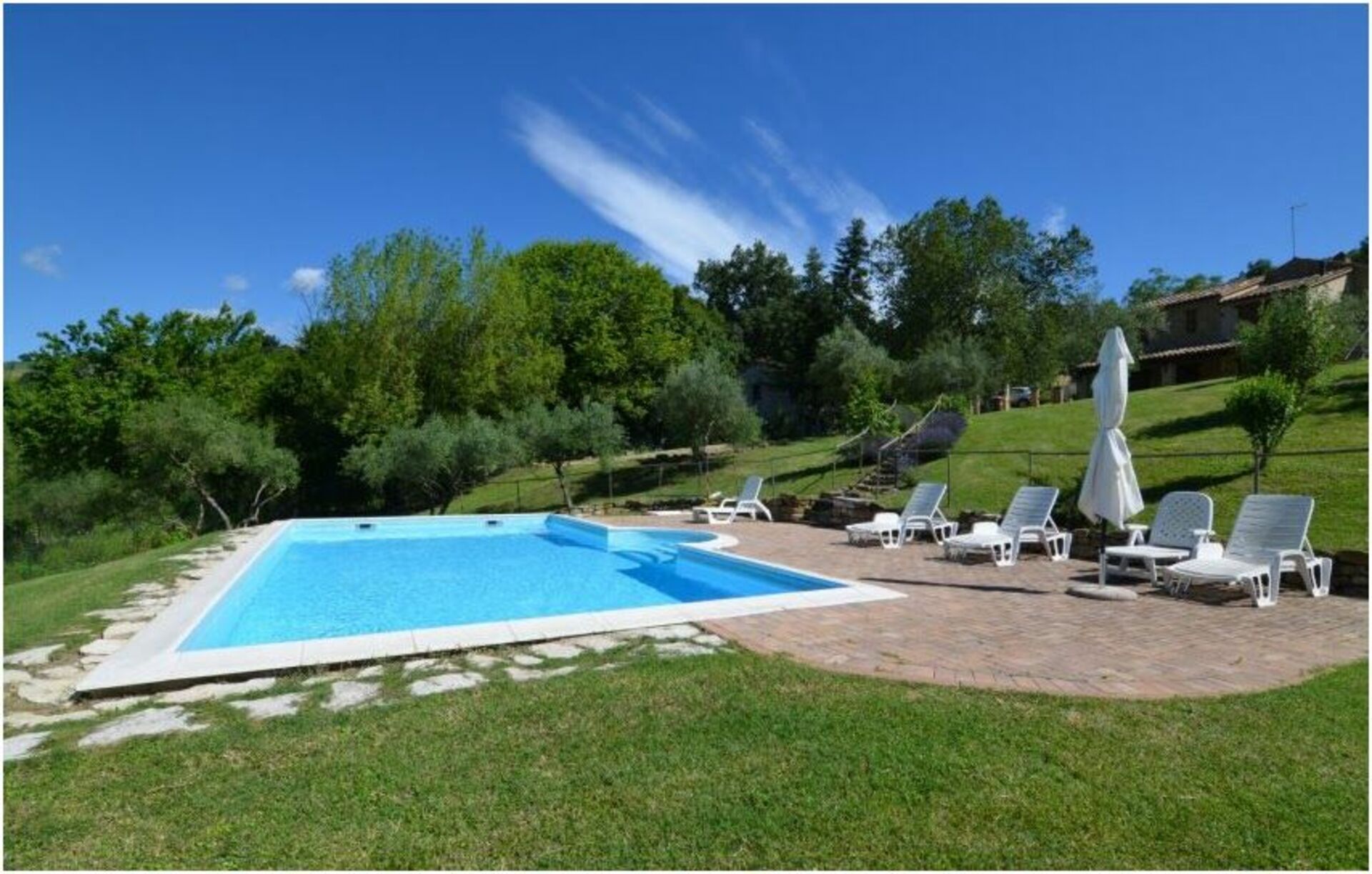
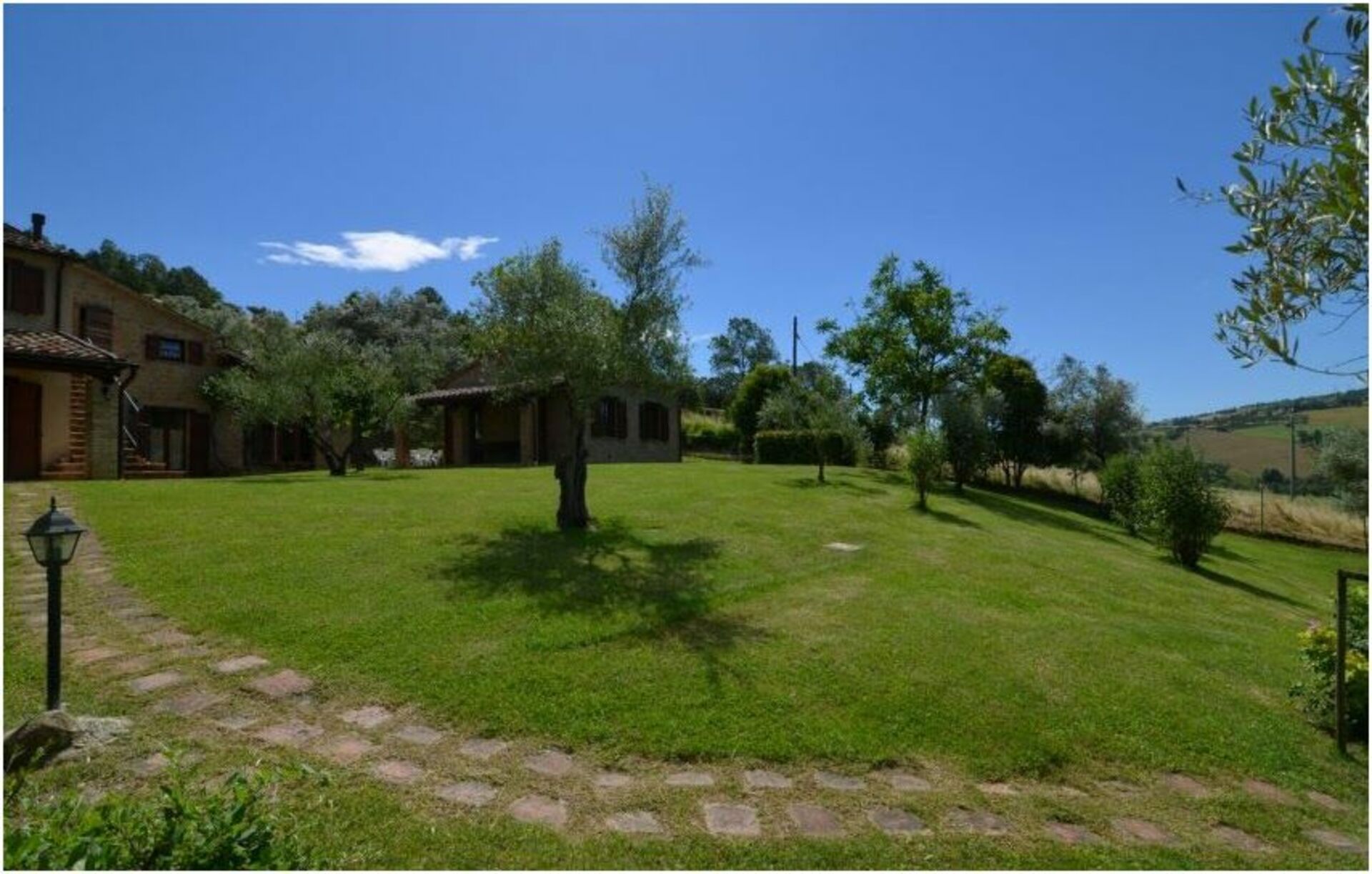
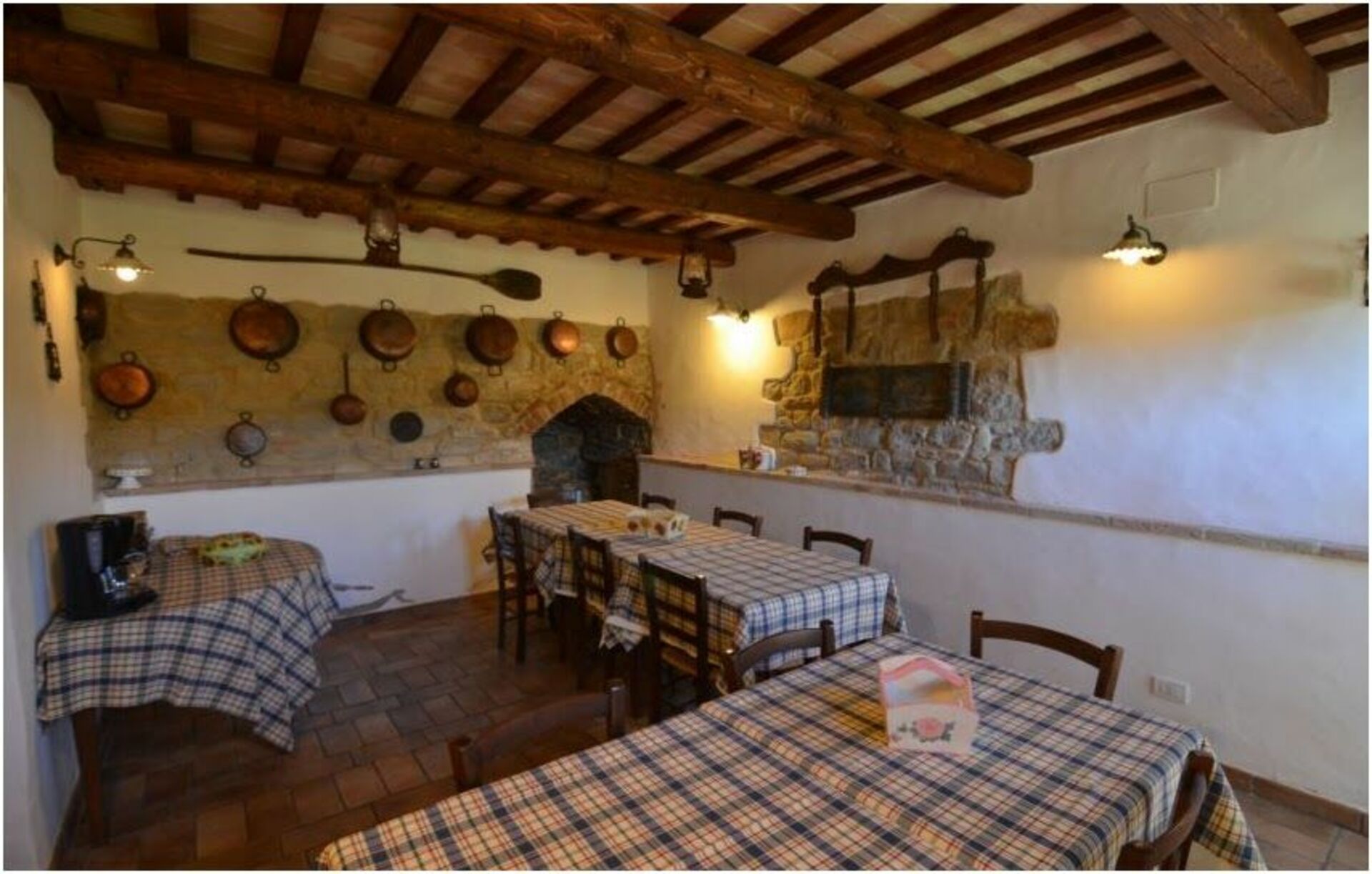
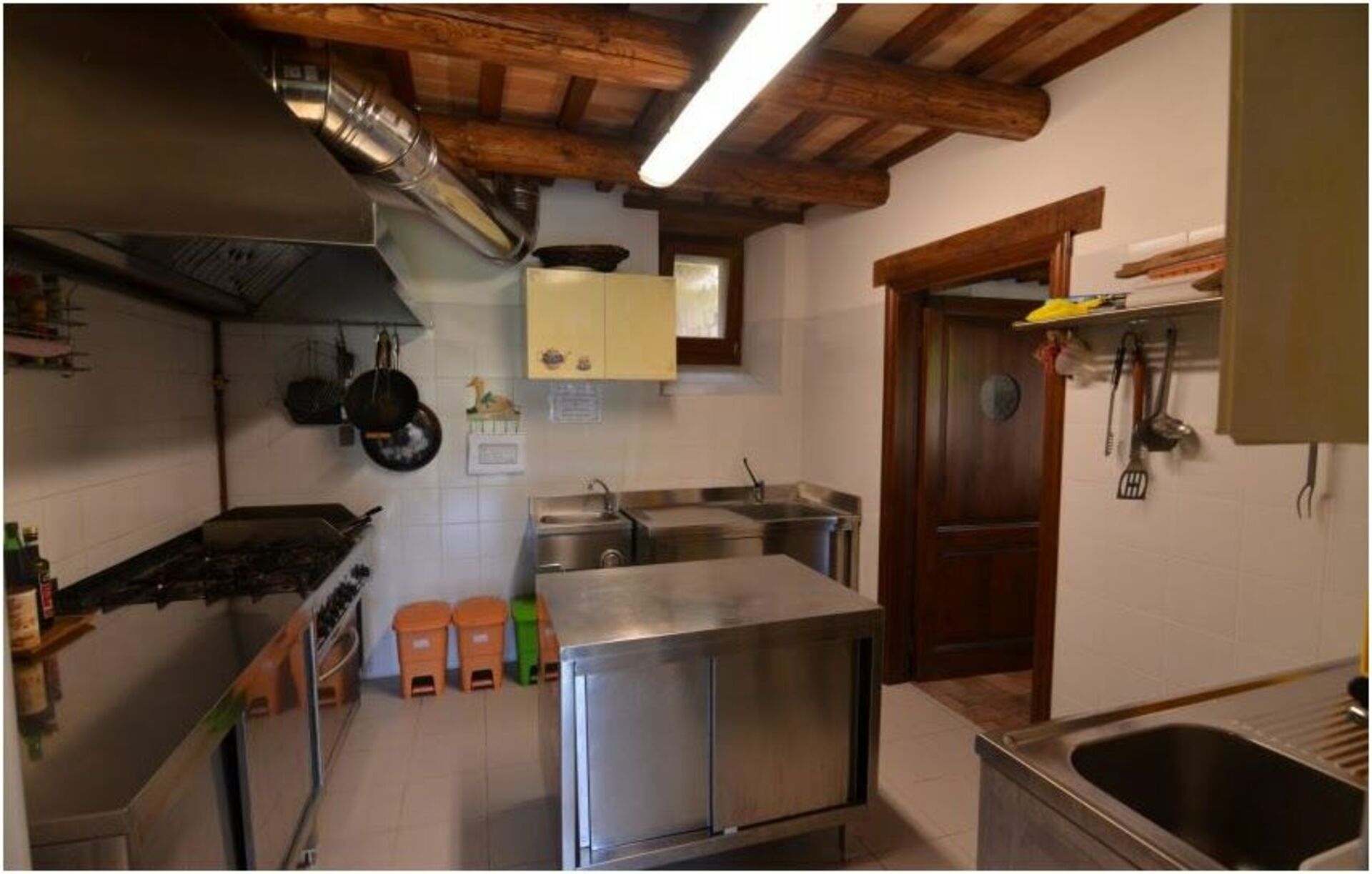
Upon arrival at La Villa In Collina you’ll find a lovely clean well-maintained property with views of the mountains and the hills ideal for a relaxing holiday in The Marches. Regardless of how you spend your days - shopping, sightseeing, visiting museums or just driving in the countryside, when you arrive home you can relax with your family and friends at the pool for a perfect ending to another day in The Marches. For your pleasure, on the grounds there is a barbecue grill, playground and patio. If you enjoy cooking for family and friends there is a well-equipped kitchen including coffee machine, microwave, toaster, stove and refrigerator, as well as, plenty of tableware and cutlery for up to 15 people. If you prefer to dine 'al fresco', there is a fully furnished patio where you can enjoy the weather while dining outdoors.
Visit the Area
Most people enjoy visiting nearby cities and towns while on holiday, so for your reference this is a list of popular places with distances (as the crow flies) from the property: Camerino 48 km (30 mi), Ascoli Piceno 61 km (38 mi), Porto Recanati 69 km (43 mi), Ancona 92 km (57 mi) and Norcia 96 km (59 mi). The highway is only 37 km (23 mi) from the villa and there is a train station 16 km (10 mi) away.
Some other major tourist destinations you should consider visiting are: Florence 277 km (172 mi), Rome 243 km (151 mi), Venice 449 km (279 mi), Milan 509 km (316 mi) and Naples 434 km (270 mi).
Additional Information
Pool Open: 1 May - 30 September (If you'd like the pool open outside these dates, please make that request prior to booking)
Nearest Airports (distances as the crow flies): Roma Ciampino (Cia) 252 km (157 mi), Roma Fiumicino (Fco) 265 km (164 mi), Firenze Peretola (Flr) 283 km (176 mi), Bologna (Blq) 308 km (191 mi) and Pisa (Psa) 345 km (214 mi).
More Services
Cooking Lessons - If you're interested in discovering more about Italian cooking, ask about the cooking lessons that can be arranged at the property. It's a fun way to spend time with friends and family while discovering the techniques needed to master Italian cuisine. For more details and the extra cost, please contact us.
Tours - The owner can organize custom tours for your group. To learn about the tours offered, speak to the owner when you arrive or inquire prior to booking. The cost will vary depending in the individual tour and number of people.
Interior Description
Ground Floor
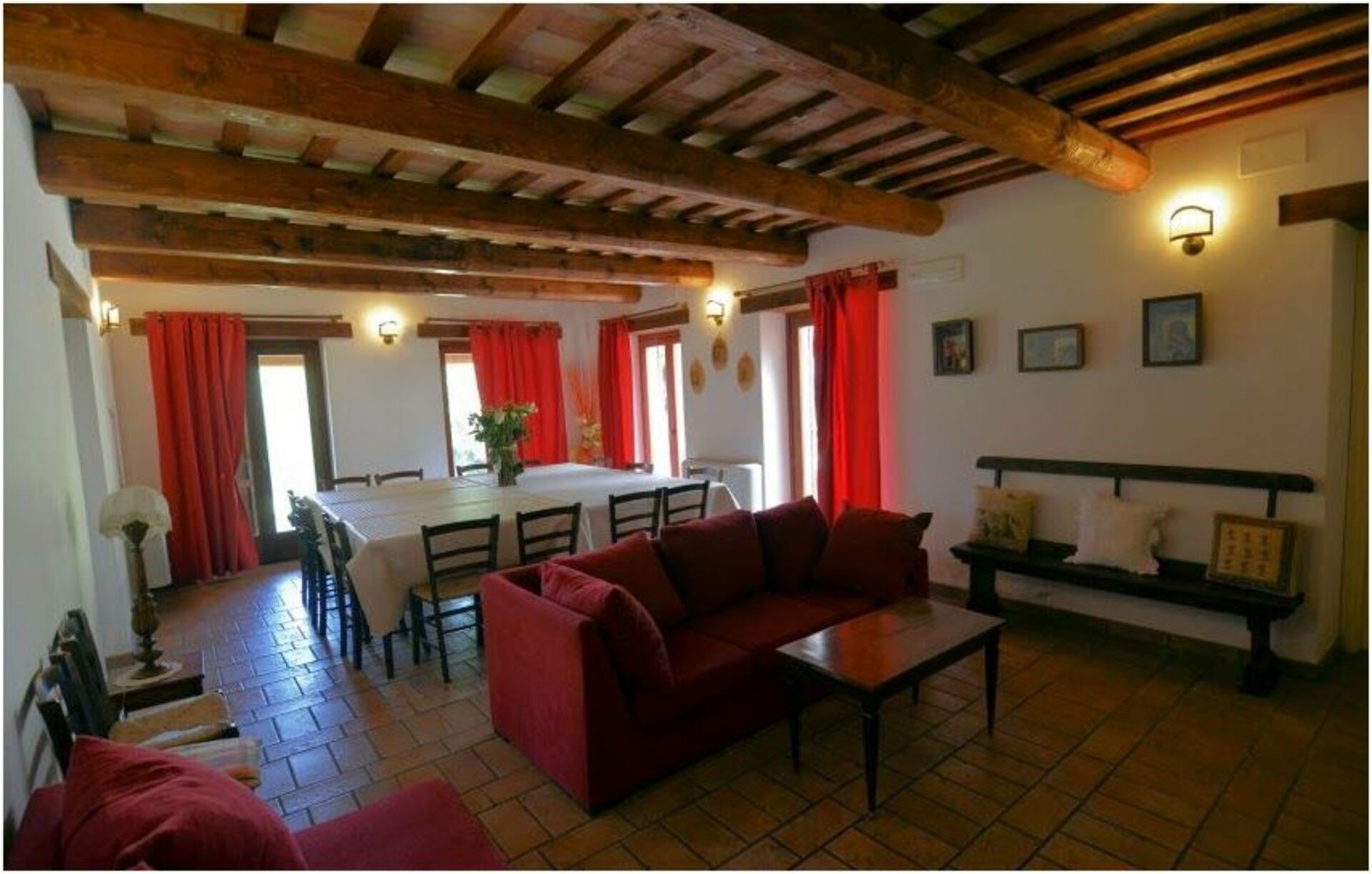
Including: kitchen, dining room, bedroom + ensuite bathroom, bathroom.
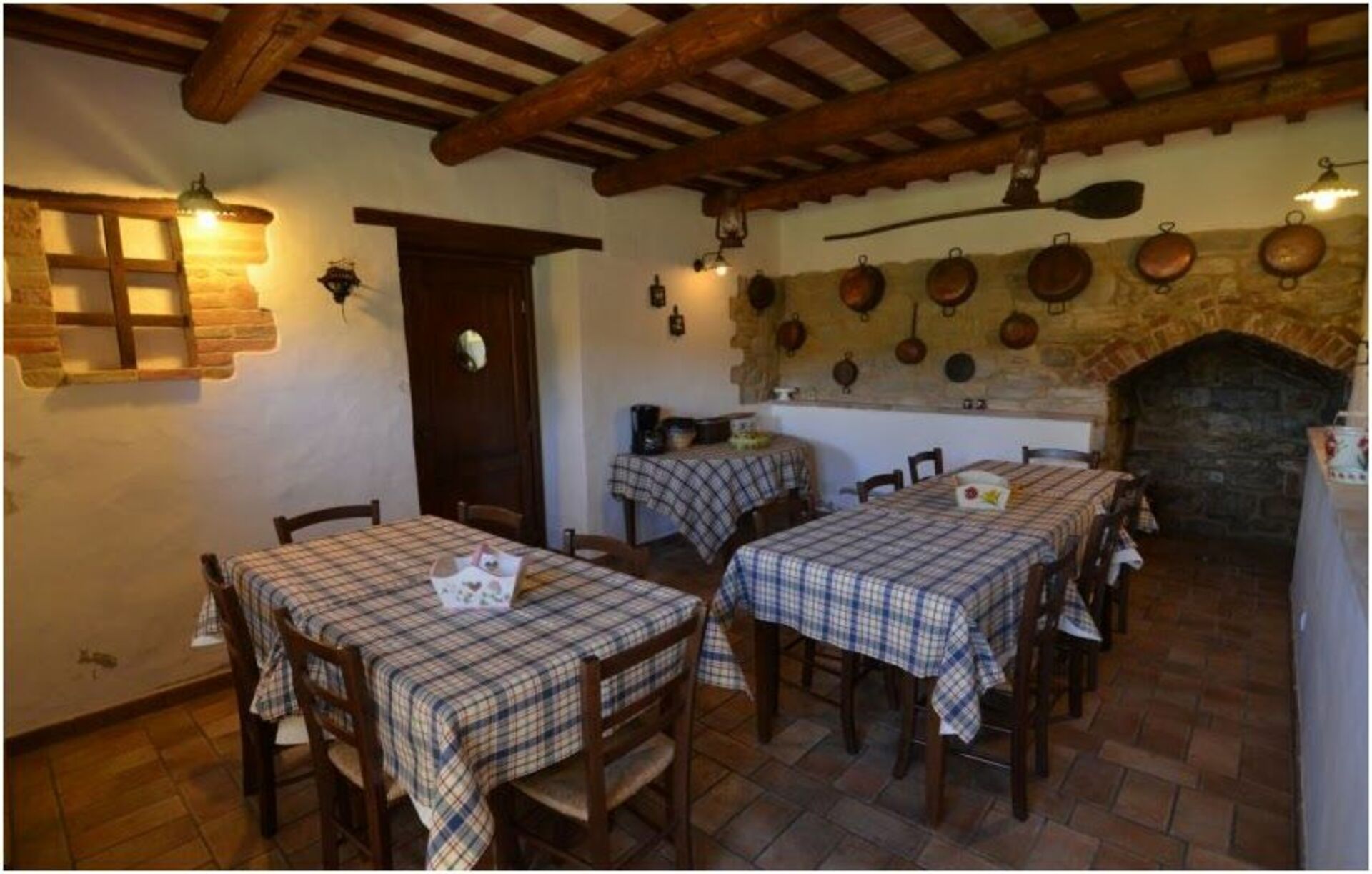
Kitchen: well equipped kitchen, dishwasher, fridge, freezer, microwave, stove top, toaster, italian coffee machine, american coffee machine.
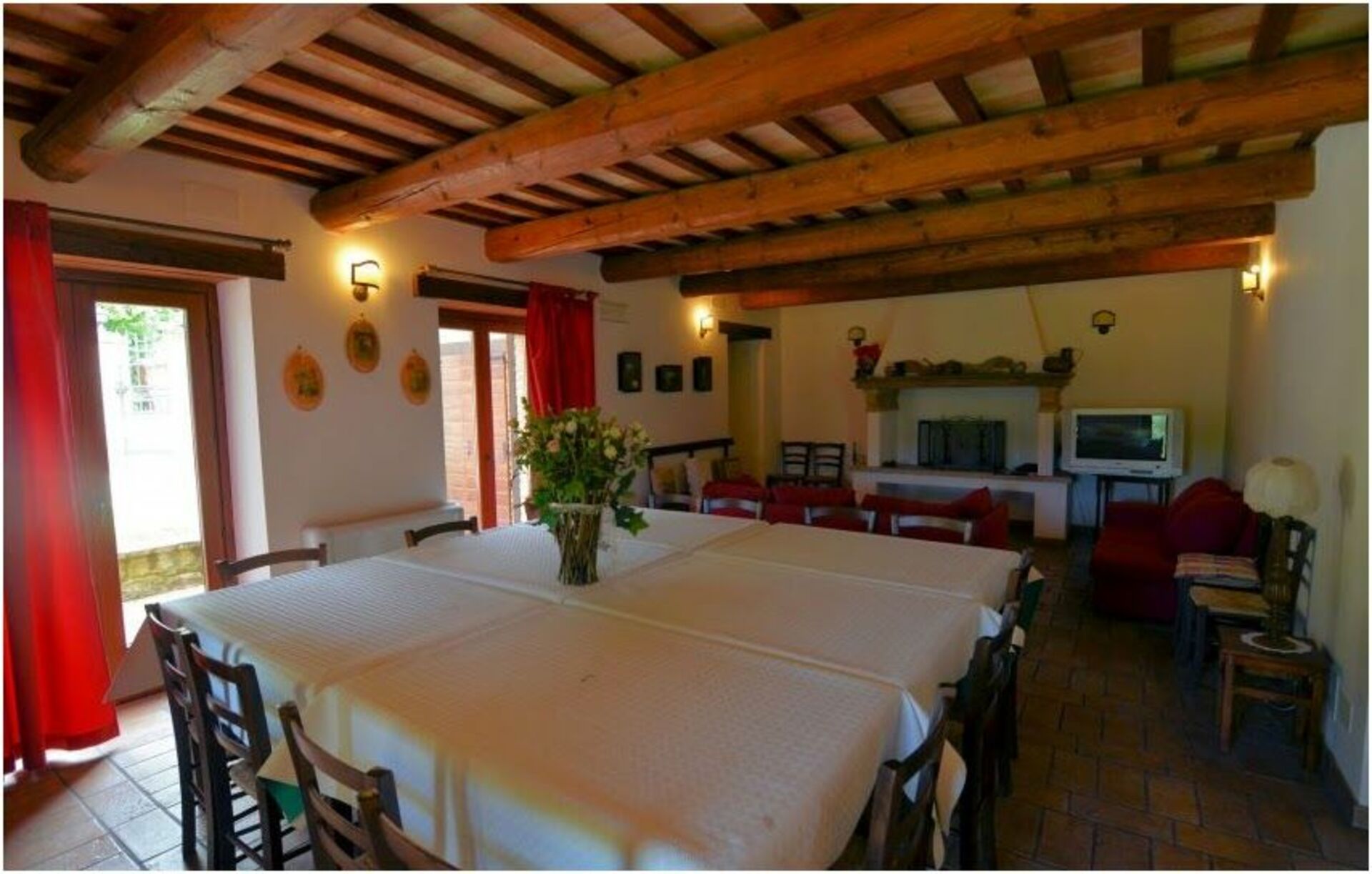
Dining room: dining table, WIFI internet, satellite tv, exit to the patio.
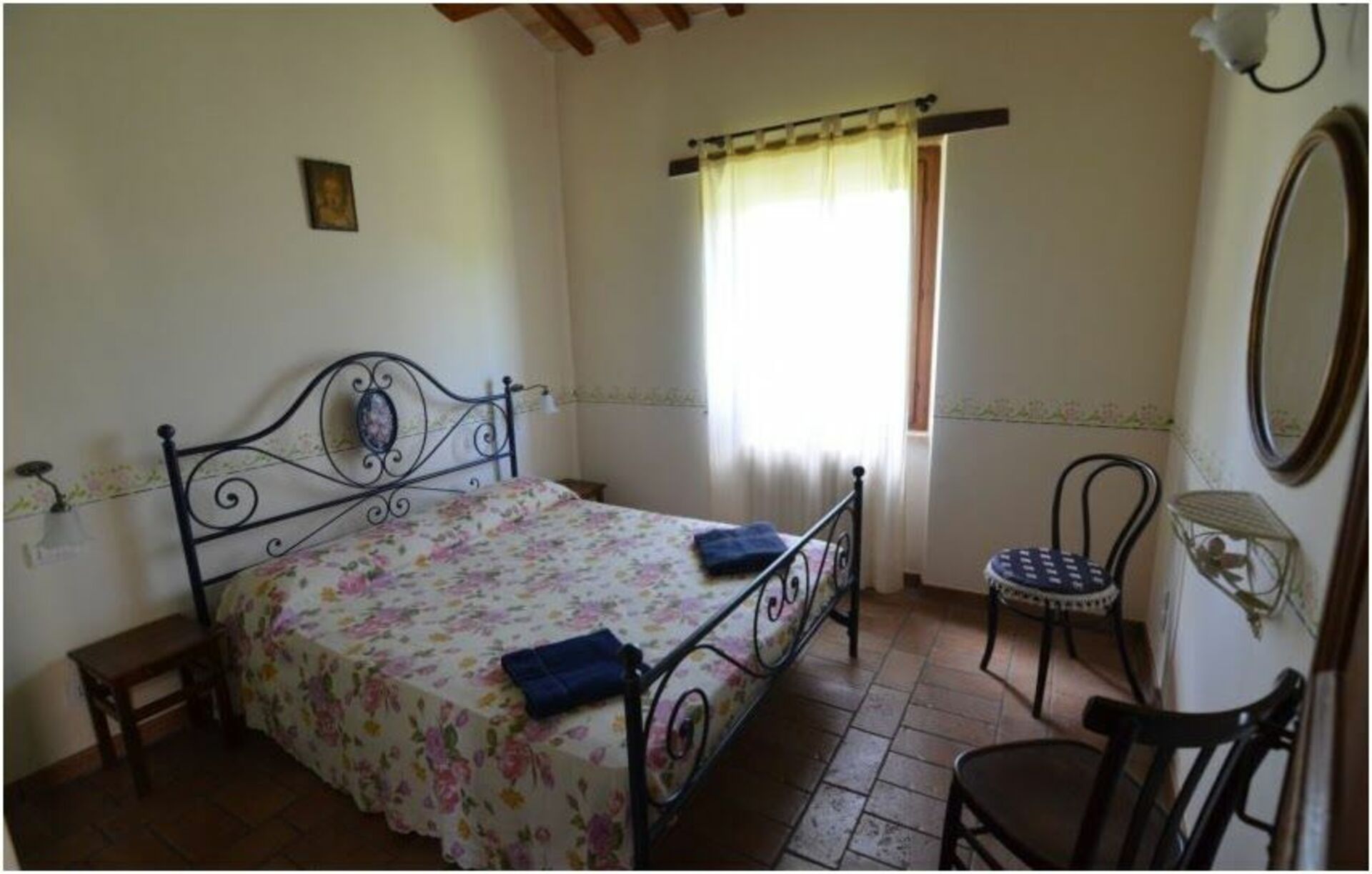
Bedroom + Ensuite Bathroom: double bed, WIFI internet, armchair, basin, toilet, bidet, shower, exit to the garden.
Bathroom: basin, toilet, bidet, shower, hairdryer.
Floor 1
Including: 4 bedrooms + ensuite bathroom.
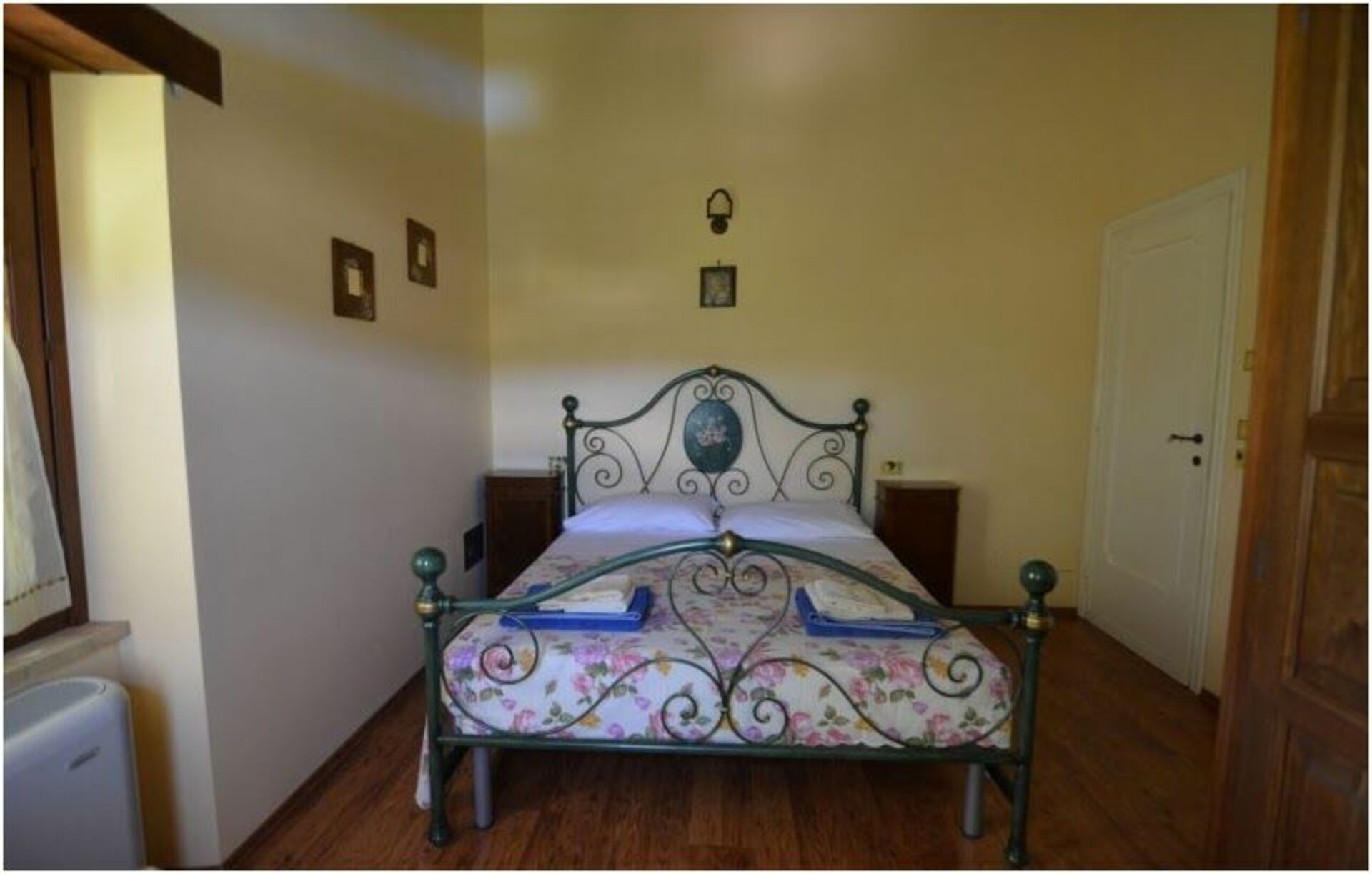
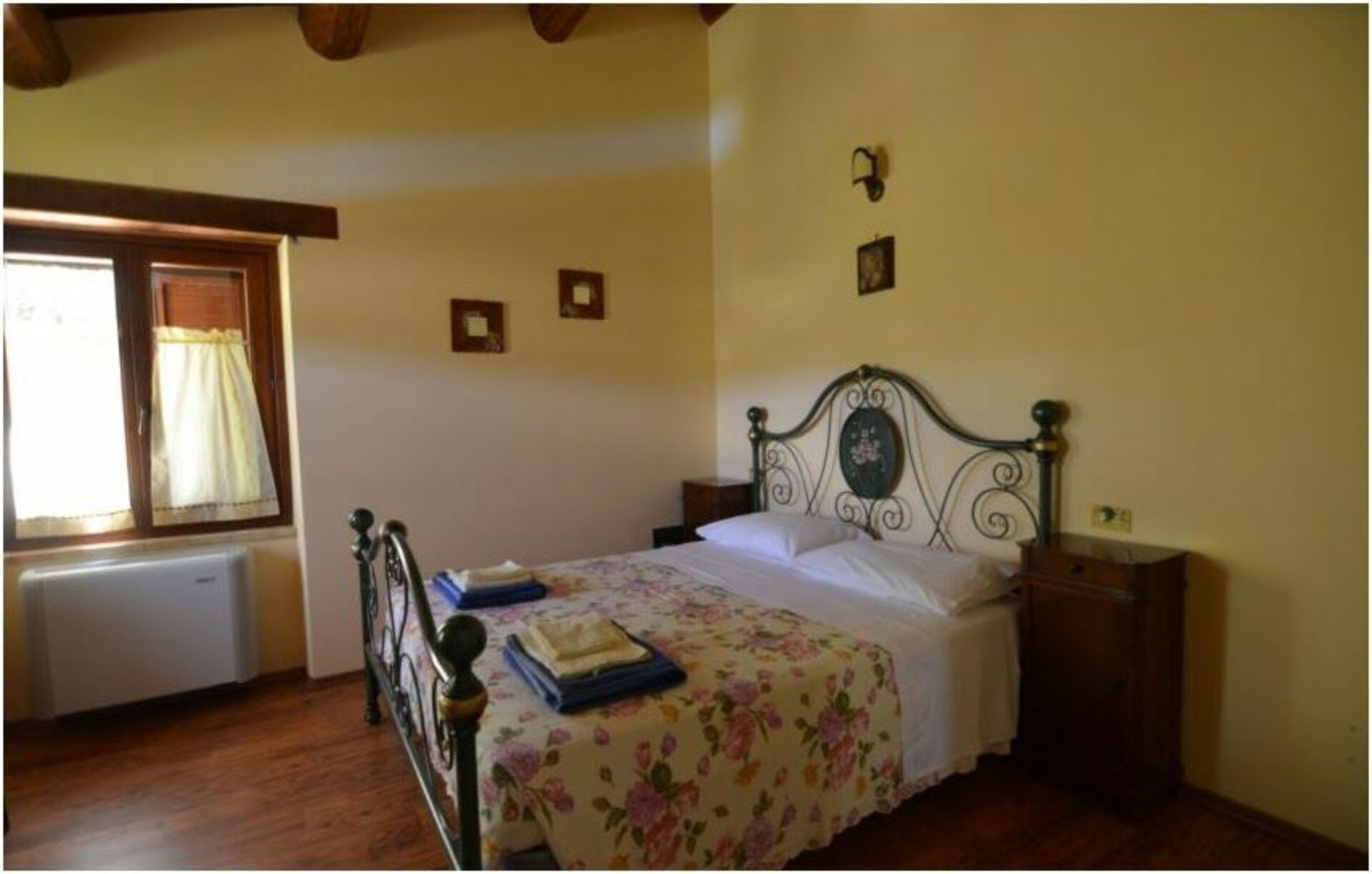
Bedroom + Ensuite Bathroom 1: double bed, WIFI internet, armchair, basin, toilet, bidet, shower, exit to the garden.
Bedroom + Ensuite Bathroom 2: double bed, WIFI internet, armchair, basin, toilet, bidet, shower, exit to the garden.
Bedroom + Ensuite Bathroom 3: two single beds, WIFI internet, armchair, basin, toilet, bidet, shower, exit to the garden.
Bedroom + Ensuite Bathroom 4: three single beds, WIFI internet, armchair, working desk, basin, toilet, bidet, shower, hairdryer.
Annex / Dependance
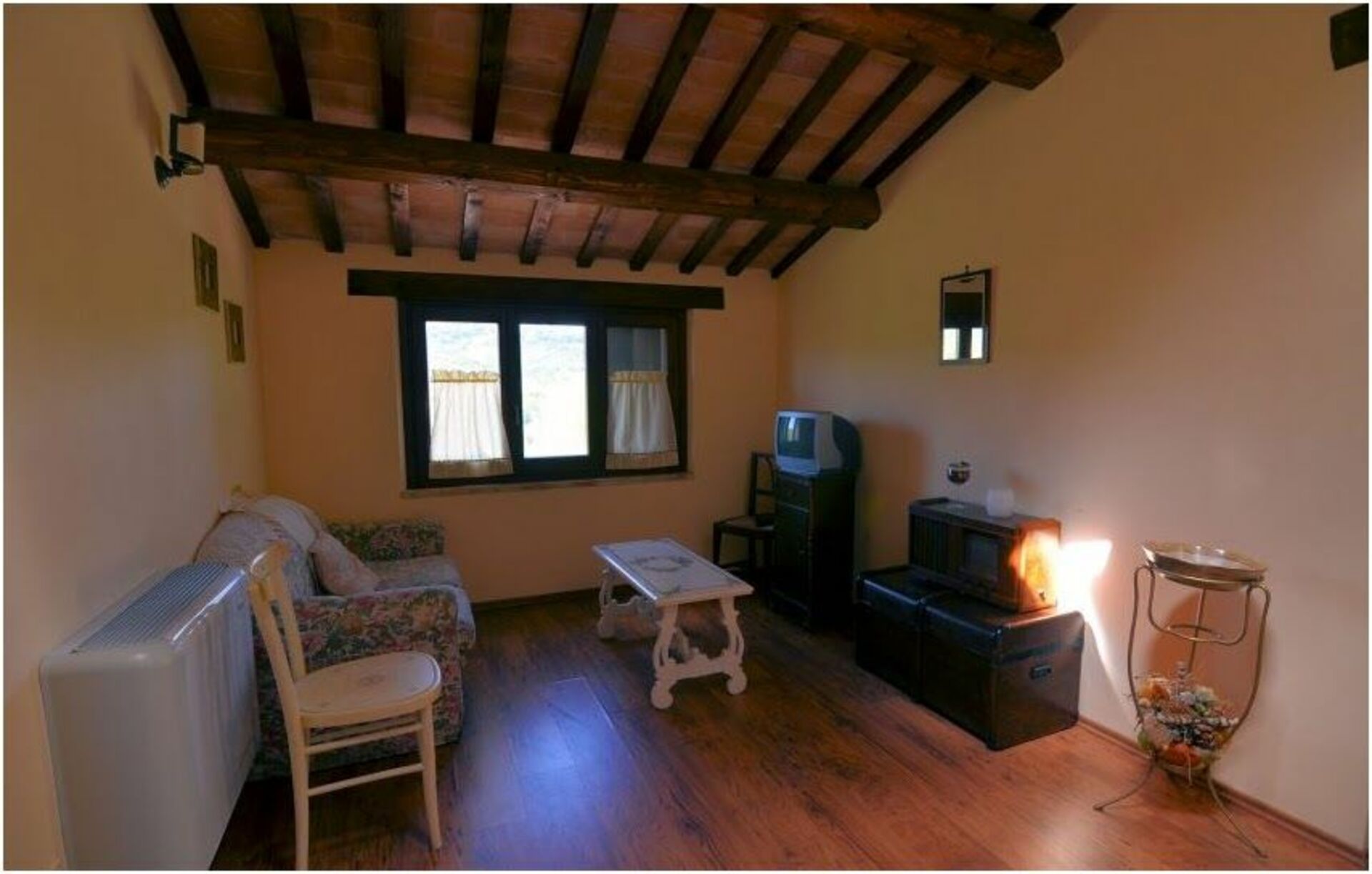
Including: kitchen + living room, bedroom + ensuite bathroom.
Kitchen + living room: dining table, fridge, freezer, microwave, toaster, italian coffee machine, sofa bed double, satellite tv, exit to the garden.
Bedroom + Ensuite Bathroom: double bed, armchair, working desk, basin, toilet, bidet, shower.
Additional Areas
Including: garden.
Garden: swimming pool (length: 8m, width: 6m), WIFI internet, barbecue, al fresco dining, dining table, gazebo, garden furniture, terrace furniture, sunbed, fenced, children's playground.
Licence or registration number:
BNT CLD 70M71 H5
Location Gualdo, The Marches, Italy

Places near the property(Distances as the crow flies)
- Airports
- Roma Ciampino (Cia), 252.2 Km
Attractions
THE COMPREHENSORY OF GUALDO AND THE BLUE MOUNTAINS
What was until 2014 was defined as the mountain community of the blue mountains and which today has acquired the name of the Mountain Union of the Blue Mountains includes 15 municipalities, all in the hinterland of Macerata. Between hills and valleys, between gentle slopes and enchanted woods nestled on the Sibillini mountains, farmhouses, large pastures and villages with age-old charm, motionless in traditional serenity, immersed in a benign nature, embraced by ancient walls. Small jewels that allow you to relive the suggestion of distant times through the narrow streets of historic centers, the austere but elegant churches that often hide works of inestimable value and again, the authentic scents, the sparkling colors and a food and wine made of unique flavors rooted in the territory and folklore.
Monti Azzurri
Tolentino is the largest center of the union of the blue mountains, located in a very geographically favorable position, it has always assumed an important historical, political, cultural and economic role for the entire hinterland of the Marche region, acting as a hinge between the coast and the area. Montana. At the center of the Chienti valley, it boasts an ancient history that began in the lower Paleolithic with the first Picenian settlements of which we have tangible evidence thanks to the many tombs dating back to the eighth and fourth centuries. to. C. A very long history that of Tolentino, inhabited by the Romans and crossed by the barbarian raids up to the troubled medieval period and the subjugation of the rich and strategically important city by the papacy. Protagonist of the treaty of Tolentino stipulated in 1797 between Napoleon and Pope Pius IX, the territory was also a battlefield in 1815 between the Austrians and the French, returning to be part of the papal state until the unification of Italy. Tolentino boasts one of the most important religious centers in the region, the Basilica of San Nicola dating back to the 13th century. with adjoining Augustinian convent and Laurentian library, there are also many buildings of cultural interest such as the Vaccaj Theater, named after the Tolentine composer, Palazzo Sangallo while the finds from the Piceno and Romanesque period are kept in the splendid Castello della Rancia with crenellated walls and three corner towers , rebuilt in the 14th century. on the previous Cistercian structure. In its territory, the complex of the Chiaravalle di Fiastra Abbey, founded by the Cistercians in the 12th century. around which extends the splendid Nature Reserve of the Abbey of Fiastra.
Belforte del Chienti, whose name - Bel-Forte, Bella-Fortezza - derives from its favorable geographical position, is located halfway between the mountain and the sea and dominates the Chienti valley from the top of a hill. Its castle dates back to the 12th century. immediately entered the jurisdiction of Camerino, he immediately joined forces with the city of Tolentino. In 1435 Belforte was annexed to the possessions of Francesco Sforza, and then passed to the Papal State. Among the works of particular importance preserved in Belforte the polyptych of 1468 attributed to Giovanni Boccati exhibited in the church of Sant'Eustachio which shows its particular cone-shaped bell tower, and several paintings attributed to Giovanni Andrea de Magistris in the church of San Giovanni . Another interesting building is Casa Bonfranceschi, a splendid example of a noble palace built between the 17th and 18th centuries. developed on three floors and characterized by a wide staircase that leads from the atrium to the main floor.
Camporotondo di Fiastrone tells an ancient story historically attested from the middle of the year one thousand probably wanted by the bishop of Camerino who formed a small castrum, a rural center surrounded by walls. Immersed in nature, between the green of the fields, the woods and the blue of the mountains, it boasts small jewels such as the church of San Francesco and above all the Convent of Colfano which seems to look out over the town of Camporotondo. Colfano indicates a hill where there was the fanum, a "sacred wood", or pagan temple, dedicated to some ancient divinity, although in all likelihood this was located on the top of the Garufo hill where today the church of Santa Maria di Garufo is located. According to tradition, it was St. Francis who, during his travels in the Marca, founded a hermitage near the spring that now flows in the underground rooms of the monastic complex of Colfano, a spiritual center that has been revitalized in recent years.
Loro Piceno is located on the top of a gently sloping hill, between Macerata and San Ginesio, south of the Fiastra stream. Influenced by the presence of the nearby Roman complex of Urbs Salvia, it was an important Piceno center as evidenced by the funerary stele preserved in the National Archaeological Museum of the Marche in Ancona. In the second half of the year 1000, the castle of Loro became part of the Fermo church, while the ancient fortress of the town was built by the Benedictines on whichi then the influence of the abbey of Santa Maria di Chiaravalle di Fiastra extended. In 1357 Loro was included in the 60 castles of the Fermano State district and counted among the major castles beyond the Tenna. Of its long and troubled history there remain many traces imprinted on the many monuments and places of interest among which the castle of Brunforte, built on the remains of a Roman castrum, the church of San Francesco, consecrated in 1372 and the church of Santa Maria della Square with trussed roof and 15th century frescoes.
Monte San Martino is in the heart of the blue mountains, probably built in Roman or Picene times, it was undoubtedly a holiday area for the patricians of Faleria. During the barbarian invasions it underwent the passage of the Franks from which also derives the name that refers to Martino, bishop of Tours, then the village obtained from the pope the permission to be governed by the local lords which became real autonomy towards the middle of ' 200. The most significant building is the church of San Martino, patron saint of the town, in Romanesque style it is located on the top of the hill and thus dominates the rest of the town. Inside there are three works by Vittore Crivelli, one of which was painted together with his brother Carlo.
Colmurano was built in medieval times and then passed under the dominion of Tolentino at the beginning of the 14th century. the village was annexed to the ecclesiastical territories, and then suffered numerous famines and sieges by the Austrians first and then by the French who impoverished not only the village but the whole region. The historic center still retains the medieval defensive walls with ramparts and the polygonal tower defending the San Rocco gate, equipped with a drawbridge and a triangular tower dating back to 1100. From the same period the church of the Annunziata adorned with a Romanesque portal which preserves a fresco dating back to 1560 by Giovanni Andrea de Magistris.
Sarnano, located on the slopes of the Sibillini to the right of the Tennacola stream, became a free municipality as early as 1265. From the typical helicoidal shape of the medieval period, it is a delightful village very popular also for the various ski resorts which preserves intact several buildings of historical importance including the church of San Francesco, adjacent to the town hall, dedicated to the saint of Assisi who stayed in Sarnano between 1214 and 1216. In the heart of the historic center is the splendid Piazza Alta, the scene of various medieval-themed events, on which overlook the Palazzo dei Priori, the Palazzo del Popolo, now home to the Teatro della Vittoria, the Palazzo del Podestà and the splendid church of Santa Maria di Piazza which houses works of art of great artistic value. In the historic center, in the municipal rooms, there is also the municipal art gallery, the Franciscan library, the museum of ancient and modern weapons and the avifauna museum.
The territory of Gualdo in the past included several castles today unfortunately lost, its history is lost in the mists of time while its name derives from the Lombard wald which means wood since the whole area was wooded. The castle of Gualdo was a fortress of the Brunforte at the center of bitter territorial struggles with San Ginesio and later with Sant’Angelo in Pontano and Sarnano.
Penna San Giovanni, surrounded by a high hill countryside, is located close to a rocky spur between the valleys of the Salino and Tennacola streams, dominating the territory, from the Sibillini Mountains to the Adriatic coast. Important center for the properties of water, it was the home of Blessed Giovanni, a follower of San Francesco who mentioned it in the Fioretti. Its origin, linked to the nearby city of Faleria (today Falerone), dates back to the Roman period, while the medieval castle retains a section of the primitive walls relating to the thirteenth century., The various reconstructions and the access doors such as the door della Pesa and the Portarella dating back to the periods between '300 and' 400. Among the most significant buildings is the church dedicated to San Francesco, built in the mid-15th century with its convent, now used as a school, which has undergone several changes and the Town Hall, inside which Roman remains and a polyptych are preserved. deprived of the frame depicting various saints that some attribute to Crivelli.
Perched on a high hill in the Fiastra valley, Ripe San Ginesio is a very small village of medieval origin whose name derives from the steep slope where it is located and from the town to which it was subject for a long time. In all probability it owes its origins to the Piceni and then to the Romans and then assumed the connotation of a rural village long before the year 1000, when the castle was under the control of Camerino. As evidence of the relationship with San Ginesio not only the name but also the Rocca, built by the Ginesini to control the town, today a symbol of the town. In addition to the medieval urban layout, the church dedicated to San Michele Arcangelo while outside the town stands the small church of San Silvestro which after the restoration looks like a Renaissance temple.
San Ginesio is located almost 700 meters above sea level and from its privileged position it overlooks the Conero to the Apennines overlooking the Fiastrella stream. The village, which finds its origins in the Roman period, is surrounded by imposing castle walls that keep intact all the defensive structures of the Middle Ages such as the patrol walkway, the slits for the archers and the towers. In constant struggle with neighboring municipalities, in particular with Fermo, it lost its autonomy for a short period in the 1400s, when it was subjected to the Da Varano di Camerino dukes. The village is dedicated to San Ginesio Martire protector of artists, boasts the singular presence of elements of Northern European architecture that can be explained by the presence, during the medieval period, of workers from Germany and the Netherlands. Of particular interest is the Collegiate Church with an extraordinary decoration of the terracotta façade in a flowery Gothic style, the only one of its kind in the whole region.
Between the Ete Morto and Tenna valleys, the small village of Sant’Angelo in Pontano rises in a panoramic position. The appearance of a castle was assumed after the construction of the walls which took place around the year 1000, shortly after it became one of the main castles of Fermo, of which it was part until the Napoleonic period. Birthplace of San Nicola di Tolentino, it has a very panoramic urban layout where the Romanesque church of San Salvatore stands out which has the presbytery tilted to the left to remember the face of Christ on the cross and the Augustinian convent with the church of San Nicola built on the pre-existing church of Sant'Agostino in the 15th century.
According to tradition, Serrapetrona owes its name to a rich and valiant Roman citizen, a certain Petronius, who took refuge in these areas. To defend the small village - famous for the excellence of its red sparkling wine, the delicious Vernaccia - there are two medieval walls with four access gates, tangible signs of its long history that binds it to Camerino. Of its monuments are to be remembered the church, with a precious organ, with the adjoining convent of San Francesco, the church of Santa Maria di Piazza dating back to the fourteenth century, the church of Santa Maria delle Grazie of the '200 with internal decorations in Baroque style and the Sanctuary of the Madonna della Neve, not far from the town, dating back to the 1700s.
LE MARCHE - ITALY IN ONE REGION
ITALIAN SECRET
Le Marche is one of Italy’s best-kept secrets. Sandwiched between the Adriatic and its better known neighbours Tuscany and Umbria, this quiet and sparsely-populated region has long slipped under the travel radar. Yet with a string of charming hilltop towns and a landscape ranging from snow-capped Apennine peaks to dreamy beaches and otherworldly caves, it’s the perfect place to experience Italy without the crowds. Outstanding with their geometrical shapes and imposing appearance, Italian castles are not only awe-inspiring but absolutely marvelous – a splendor that is best observed in person. Interestingly, no two castles seem alike and each has unique features that correlate with historical events, natural surroundings, and political changes over the centuries.
RICH HISTORY
Few countries in the world are suffused with such a strong sense of historical continuity as Italy. From the myths that surround the birth of the Etruscan civilization to the foundation of United Italy in the 19thC, past and present are inextricably linked in a seamless web that stretches back over three millennia. This short account provides a thread to guide you through the labyrinth of this complex story. You'll find more detailed local history in the individual town pages.
RESTAURANTS
Marche is centrally located on the eastern Italian coast, nestling between the Apennine Mountains and the Adriatic Sea. The region is characterised by a rugged, mountainous inland and a beach-lined coast, dotted with quaint seaside towns. These variations in the region’s geography are also reflected in its food; seafood is popular, along with rural delicacies such as wild funghi, game, nuts and herbs and the region’s treasured truffles. Coniglio in porchetta, rabbit stuffed with wild fennel is a revered regional speciality, and traditional porchetta made with suckling pig and stuffed into rolls is a popular street food.
Autumn in Le Marche
If you are not fond of hot days and you love the beautiful mild sunny days, when the sun gently caresses your skin and senses, inviting you to spend time in the open air, why don’t you take the chance of a holiday in Marche in Autumn?
THE SCENT OF THE GRAPE HARVEST
Especially in the first part of autumn, the scents of the grape harvest invade the Marche hills. With must they make the typical, soft donuts that you can find in many local bakeries, must biscuits, perfect to be served with “vino cotto” (literally “cooked wine”) and “sughetti” (a kind of polenta made of must, corn flour and walnuts). When the must is cooked for a long time, sapa is produced: it is a sweet and sticky ingredient perfect for seasoning polenta and making cavallucci (a typical local biscuit). In Montecassiano the festival of sughitti is held during the last week of September. The oldest Sagra dell’Uva (wine festival) in Italy is held in Cupramontana at the beginning of October: it’s a festival with food, music, dances and, of course, Sir Wine.
OLIVE HARVEST & OLIVE OIL
One of the most magical moments in Marche, and in Italy in general, happens at the end of October / beginning of November: this is the month of the olive harvest, when you will see many people working around the olive trees to pick the precious fruit. Do not hesitate: the new oil, with its intense green color, is immediately ready to be tasted and purchased. If you have friends who have a farmhouse in the countryside with olive grove, ask them to invite you for the harvest: it will be a beautiful moment to share with your friends and then you can bring the olives to the mill and attend to the production of your own olive oil.
THE FOLIAGE OF CANFAITO BEECH FOREST
If you want to make an experience of colours, then you can’t miss the Canfaito beech forest: every year you can enjoy the same and always different show of the beech leaves changing colours. You’ll feel like under a golden dome made of yellow, orange and red leaves. Just enjoy a relaxing walk under the beech trees and don’t forget to stop by Elcito, a tiny untouched village, where you can breathe an atmosphere of old times, when shepherds woke up at dawn, spent the whole day out with their animals, longing to go back home and find some warmth in front of the fireplace with their families.
MEDIOEVAL VILLAGES
Visiting the numerous Medieval villages spotted all around Marche may be quite a challenge under the August sun, but doing it in Autumn, when the air is still warm and sun lights up the stones that make up the town walls, has a totally different appeal. Stroll through the narrow streets of the Marchigiano towns, where a beautiful panorama awaits you at every corner. Difficult to recommend a village: just switch off your satellite navigator, follow a less traveled road and certainly you will find a quiet and nice village waiting to welcome you.
CHESTNUT FESTIVAL
The good and sweet smell of roasted chestnuts is one of the nicest in autumn. You can go yourself to look for chestunts and then cook them at your place or, if you are not sporty enough, there are many chestnut festivals in October, especially in the Sibillini area, where people roast chestunts along the roads and you can buy a cone. The most famous chestnut festivals in Marche are in Smerillo and Montemonaco. Smerillo is particularly famous also for being one of the balconies of Marche: thanks to its elevated position, you can admire wide open views, stretching from the Sibillini mountains to the sea, passing through the rolling hills and medieval villages.
TRUFFEL
Autumn also offers another delicious, sought-after and highly appreciated product: truffles. Two are the most important events in Marche dedicated to truffles: the National Fair of White Truffle in Acqualagna and Diamanti a Tavola in Amandola, dedicated to the precious white truffles of the Sibillini. The most famous chestnut festivals in Marche are in Smerillo and Montemonaco. Smerillo is particularly famous also for being one of the balconies of Marche: thanks to its elevated position, you can admire wide open views, stretching from the Sibillini mountains to the sea, passing through the rolling hills and medieval villages.
THE CONERO AREA IN PEACE
Ok the temperature is not suitable for a swim but the Conero without the crowds of summer allows you to make many experiences, from cycling to walking (we especially recommend two trips: the viewpoint up to Passo del Lupo, and that from the Belvedere) as well as visiting the villages of Sirolo and Numana.
Discover Le Marche and start building your trip!
MARCHE - THE BEST OF - THE MUST SEE PLACES
https://www.turismo.marche.it/en-us/Explore/Must-See-palces
THEME ITINERARIES
MARCHE IN BLUE - THE MOST BEAUTIFUL BEACHES OF THE MARCHE
https://www.turismo.marche.it/en-us/Explore/The-Marche-Region-in-Blue
THE GENIUS OF MARCHE - ART AND CULTURE
https://www.turismo.marche.it/en-us/Explore/Art-and-Culture
TYPIACL MARCHE - TASTE AND TRADITIONS
https://www.turismo.marche.it/en-us/Explore/Taste-and-tradition
MADE IN MARCHE - SKILLS AND EXPERTISE
https://www.turismo.marche.it/en-us/Explore/Skills-and-expertise
LE MARCHE RURALI - ROLLING HILLS AND ANCIENT VILLAGE
https://www.turismo.marche.it/en-us/Explore/Rolling-Hills-and-Ancient-Villages
GREEN MARCHE - NATURAL PARKS AND RESERVES
https://www.turismo.marche.it/en-us/Explore/Parks-and-Active-Nature
SOUL OF MARCHE - SPIRITUALITY AND MEDITATION
https://www.turismo.marche.it/en-us/Explore/Spirituality-and-Meditation
LE MARCHE FOR KIDS - ITINERARIES AND PLACES FOR FAMILIES
https://www.turismo.marche.it/en-us/Explore/Marche-Family
MARCHE OF SCIENCE - THE PLACES OF SCIENCE AND TECHNIQUES
https://www.turismo.marche.it/en-us/Explore/Science-and-Technology
WELLNESS MARCHE - THERMAL AND WELLNESS CENTERS
https://www.turismo.marche.it/en-us/Explore/Wellness
MARCHE MOVIES - CINETURISTIC ITINERARIES
https://www.turismo.marche.it/en-us/Explore/Marche-Movies
THE MARCHE ON FOOT - TREKKING
https://www.turismo.marche.it/en-us/Explore/Trekking
MARCHE BY BYKE
https://www.turismo.marche.it/en-us/Explore/Marche-By-Bike
Local Transport
Bus stop 3 km - Gualdo
Railway station 50 km - Civitanova Marche
Marche Airport 100 km
Parking
private parking