Doge's Palace, Genoa
Posted in: Architectural Gems Castles & Palaces Liguria Northwest Italy Tourist Attractions
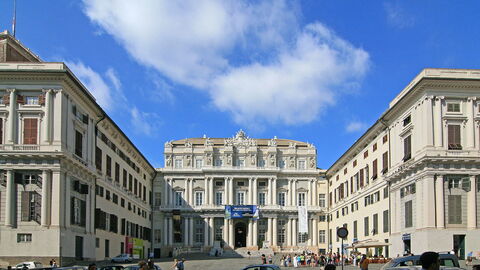
Between 1339 and 1797 the then Republic of Genoa, a state of the Holy Roman Empire, was ruled by the Doges of Genoa. Officially a position one had to earn through a voting system, it was, in reality, an oligarchy. These men resided in the Doge's Palace, a 13th century palace in the city which is now open to the public and houses many different museums and cultural institutions. A striking, large elegant building, it is one of the architectural gems of this exceptionally beautiful city and has been subject to much alteration and addition over the years, reflecting many architectural styles in one structure. The building itself is worth dropping by for a gawk but a cultural mecca is held within, just waiting to be explored. Once you have found a holiday rental in Liguria, be sure to spend a day exploring this extraordinary city and building.
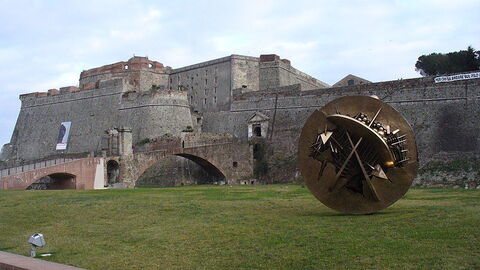
Priamar Fortress
Posted in: Castles & Palaces Liguria Museums & Galleries Northwest Italy Tourist Attractions
The Monumental Complex of Priamar (“stone by the sea”), which is often known simply as Priamar Fortress, is a sixteenth-century fortress which is located in the port town of Savona. It stands on the rock that hosted the first Savona settlement and the medieval core of the city. This monumental building has undergone many changes over the years and has been put to use for a variety of purposes. Today, it is an important museum and cultural centre in the city. Art lovers, history buffs, military enthusiasts, kids and architecture fans alike will all take something away from a visit to this attraction. Just find a vacation rental in the Riviera Ligure area and enjoy this stunning structure and the beautiful town in which it is located.
Mussels in a Pot
Posted in: Food and Wine Liguria Northwest Italy Recipes
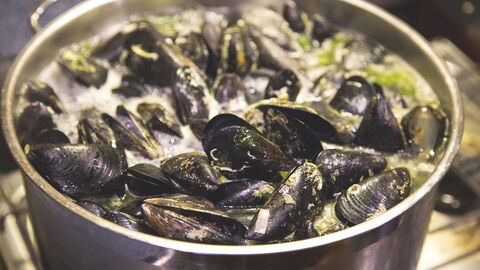
If you are thinking of spending Christmas in Italy or if you are planning a trip in the New Year and want to prepare by trying some of the local cuisine, you need look no further. Today, we're discussing a Ligurian recipe, Mussel Soup. This light but highly flavourful dish is tasty and satisfying. As the name suggests, it is from Liguria but similar dishes can be found along the entire coast of the peninsula. It is typically served as a first course and is the perfect thing for Christmas Eve dinner in the Italian tradition. Typically, Christmas Eve dinner in Italy is traditionally a light meal with no meat. The dinner precedes the Midnight Mass and is then often followed by hot chocolate with cookies or a slice of panettone once everyone has returned home from church and needs to warm back up once more. Try out the recipe yourself for now and then sample such delicious local specialities in Italy once you've found a holiday villa rental in Liguria.
Pizza All'Andrea
Posted in: Food and Wine Liguria Northwest Italy Recipes
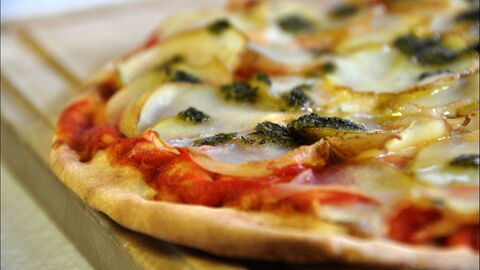
Pizza all'Andrea is a pizza dish from the Liguria region of Italy. It is also known as sardenaira or sardinaira and is similar to the pissaladière of Provence in France. It is classified as a pizza but is often considered more like a focaccia and is made with anchovies and olives on top. The origins of the dish are a much debated thing but it is often attributed to admiral Andrea Doria (1466-1560) and is thought to be named after him as well. He is said to have invented and loved the dish: a slice of bread topped by olive oil, garlic and salted anchovies. The dish was invented before tomatoes were readily available and used in Italy, pre-dating the better-known Neapolita pizza, and, therefore, traditionalists do not add tomatoes. However, we are presenting you with a recipe that includes tomato as some can find it too dry without. Enjoy this dish now and then find a villa with pool in Liguria and taste it again while on holidays.
A Pieta in Staglieno Cemetery
Posted in: Architectural Gems Liguria Northwest Italy Tourist Attractions
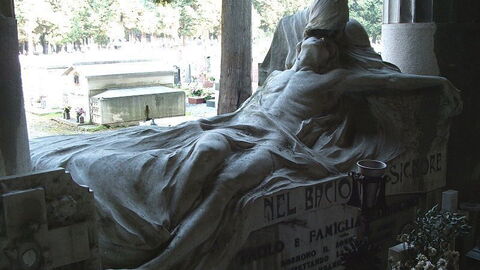
Napoleon's Edict of Saint-Cloud forbade burials within churches and towns in 1804. Up until that point, people clamoured to be buried on the grounds of the churches that they had attended all their lives but room was swiftly running out and the bodies were unhelpful to the outbreaks of disease and plague that occurred over the centuries. A cholera epidemic, and sudden multiplying of the death-toll, in 1835 further hastened the move to have bodies buried in monumental cemeteries on the outskirts of towns. These same concerns were what led to the establishment of great park cemeteries in Paris and London but lesser known is the Monumental Cemetery of Staglieno in Genoa.