Villa Mosconi Bertani, gardens
Posted in: Architectural Gems Curiosities Food and Wine Must See Attractions Parks & Gardens Tourist Attractions Wineries & Breweries
We have already talked about the romantic city of Verona and how it makes for a perfect holiday destination built for two this week. As the location of Shakespeare’s Romeo and Juliet, it is home to countless love stories both fictional and real but it is also just exceptionally pretty, the kind of place made for wandering hand in hand. To come and fall in love with this city and more deeply with each other, just browse our vacation rentals in Veneto and plan a trip to Verona during your stay.

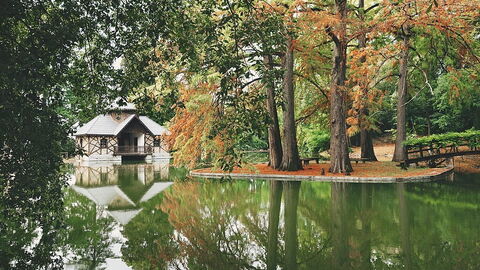
If you are in the area, you might also consider heading to the Villa Mosconi Bertani. This beautiful neoclassical country house is a stunning gem that reflects the strong tradition of such incredible villas and this style of architecture in the region and is also home to astounding gardens and an excellent winery. It is the perfect place to spend the day surrounded by splendour and getting to know the delicious wines of Veneto.

First built around 1735 for the Fattori family, the villa was constructed over a pre-existing 16th century wine cellar and a site that dates back to settlement during the time of the Ancient Romans. It was not completed under the Fattori family and was purchased in 1769 by the Mosconi family who finished the job and added an incredible eight hectare English-style Romantic garden. Under the Mosconi family the wine business was also expanded and became one of the largest cellars at the time in Northern Italy. After an initial glowing period in the 19th century as a centre for cultural and intellectual figures, the villa fell into neglect and disrepair in the 20th century. Thankfully, it was bought and saved by the Bertani family who run the winery to this day.
Vineyard at the base of Vesuvius
Posted in: Activities Campania Food and Wine Products & Specialities Southern Italy Tours Wineries & Breweries
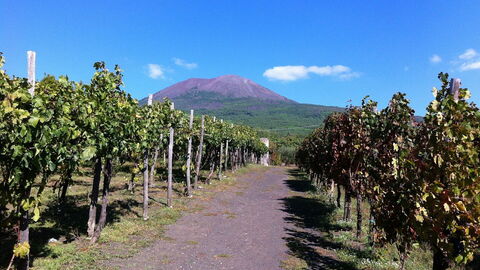
When you think of Mount Vesuvius, it is probably images of the destruction of the ancient city of Pompeii or of legions of tourists going to observe the famous volcano for themselves. You are less likely to immediately picture wine and, yet, that is one of the things you are very likely to encounter as, at the base of the volcano, there are famous vineyards, that stretch part-way up the slopes and produce wines that have been consumed since the fifth century BC. So, if you’re interested in wine, the history of wine, and unique wines, in particular, then you need to make sure you experience this rather special variety when you plan your vacation in Campania.

Lacryma Christi, also known as Lachryma Christi of Vesuvius, is the name of this celebrated Neapolitan type of wine made on the slopes of Mount Vesuvius. Literally meaning, "tears of Christ," the wine type dates back to even before the time of Jesus, to the fifth century BC, when Greek settlers first came to the area and planted Italy’s very first vineyards, as noted by Aristotle who recorded that the ancient people of Thessaly in Magna Grecia planted the first vineyards on Mount Vesuvius' slopes. After the Greeks came the Romans, who named the area, “Campania Felix,” (or “fertile countryside,” from which the region’s modern-day name of Campania derives) and spread the legend that Bacchus wept tears of joy upon seeing such a beautiful land, which caused vines to flourish in the landscape. Roman poet Martial wrote, "Bacchus loved these hills more than his native hills of Nisa". As is often the case, this story was later Christianised and medieval wine-making monks swapped out Bacchus for Christ and motivated his fertile tears with a tale of the sorrow the Son of God felt over Lucifer's fall from heaven. Lucifer was also said to have taken a little piece of heaven with him when he fell, further imbuing magic and blessings into the soils of the area.
Posted in: Apulia Food and Wine Southern Italy Wineries & Breweries
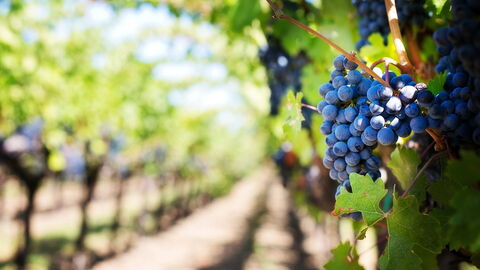
The hot summers and rich and verdant soils in Apulia make for the perfect conditions to grow and make some delicious wines and, as a result, there are lots of wineries and producers in the region. For a long time, the region was not known for making particularly high-quality wines however, in recent years, there has been an active effort to correct this and some highly regarded producers have cropped up. Among them is Antica Enotria, a vineyard located a few kilometres from the Gulf of Manfredonia. If you have found a vacation rental in Apulia and want to spend a day sampling great local wines and learning more about the production process, it is an excellent option.
Vineyard
Posted in: Architectural Gems Castles & Palaces Food and Wine Localities Milan Tourist Attractions Wineries & Breweries
La Vigna di Leonardo (Leonardo’s Vineyard) in Milan is, as you may have guessed from the name, a vineyard that used to be owned by Leonardo da Vinci. Given to da Vinci by Ludovico Sforza, Duke of Milan, in 1498, during the artist's tenure in the city and while the Duke was his main patron, it was very precious to him and something he maintained even after leaving the city. Da Vinci actually came from a family of winemakers and was a haven that he returned to after long days of working on projects such as the last Supper in the nearby convent of Santa Maria della Grazie. Today, it is open to be toured by the public and provides a fascinating insight into the great Renaissance man's private life. If you have found a vacation rental in Milan, it is a wonderful and unique attraction to make time for in your itinerary.
Posted in: Architectural Gems Chianti Food and Wine Localities Must See Attractions Tourist Attractions Wineries & Breweries


Castello Sonnino, or Castello di Montespertoli, is a stunning castle on a wine estate next to a village called Montespertoli in the Chianti region of Tuscany, 20km south of Florence. Dating back as far as the 13th century, this 150 hectare estate has been the home of the de Renzis Sonnino family since the beginning of the nineteenth century. The arrival of Baron Alessandro and Baroness Caterina de Renzis Sonnino, with their children Virginia and Leone, in 1987, saw the estate transformed into the well-oiled machine that it is today and their conservative renovation work and “commitment to the protection of the historic-cultural heritage and the revival of the winegrowing activity” have made Castello Sonnino one of the most highly regarded wine producers in Florentine Chianti.