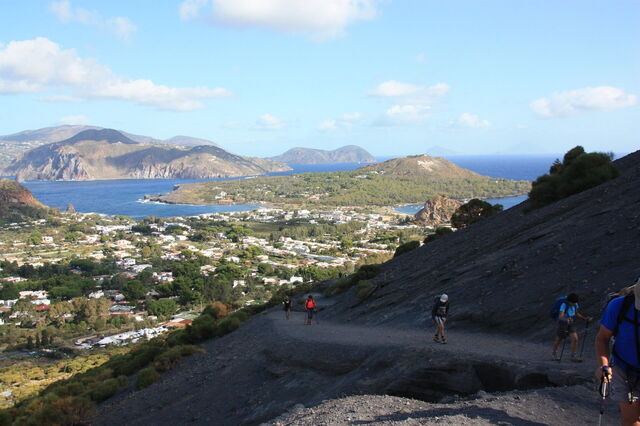
The landscape of Sicily is not soft and pretty but rather striking and beautiful. It is a fascinating thing; rugged, wild, untamed, formed by volcanic processes, dotted by intriguing towns with a multitude of cultural influences marking their architectural characters, hugged by a stunning coast that boasts some of the best beaches in the world. Those seeking a sense of adventure and something new and interesting at every turn will find themselves very much at home in this part of Italy. If you want a great place to trek, hike, cycle, swim, play, and explore, a vacation rental in Sicily is just the ticket.
In particular, we would recommend setting aside some time and heading to the island of Vulcano, 25 km north of Sicily, at the southernmost tip of the eight Aeolian Islands. As the name immediately suggests, this wonderful little island in the Tyrrhenian Sea is a veritable hotspot of volcanic action with several volcanic caldera and one of the four active volcanoes in Italy that are not submarine. However, it is not it that is named after volcanoes but, rather, the other way around, the word for “volcano” coming from the name of the island, which was derived from Vulcan, who was the Roman god of fire. In fact, in both Greek and Roman mythology, the island was a forge for gods, being the labelled as the private foundry of the Olympian god Hephaestus, the patron of blacksmiths, and the chimney of Vulcan's workshop, with earthquakes and explosions of ash thought to have been evidence of the god being busy making weapons for the war god Mars and his armies.
In particular, we would recommend setting aside some time and heading to the island of Vulcano, 25 km north of Sicily, at the southernmost tip of the eight Aeolian Islands. As the name immediately suggests, this wonderful little island in the Tyrrhenian Sea is a veritable hotspot of volcanic action with several volcanic caldera and one of the four active volcanoes in Italy that are not submarine. However, it is not it that is named after volcanoes but, rather, the other way around, the word for “volcano” coming from the name of the island, which was derived from Vulcan, who was the Roman god of fire. In fact, in both Greek and Roman mythology, the island was a forge for gods, being the labelled as the private foundry of the Olympian god Hephaestus, the patron of blacksmiths, and the chimney of Vulcan's workshop, with earthquakes and explosions of ash thought to have been evidence of the god being busy making weapons for the war god Mars and his armies.
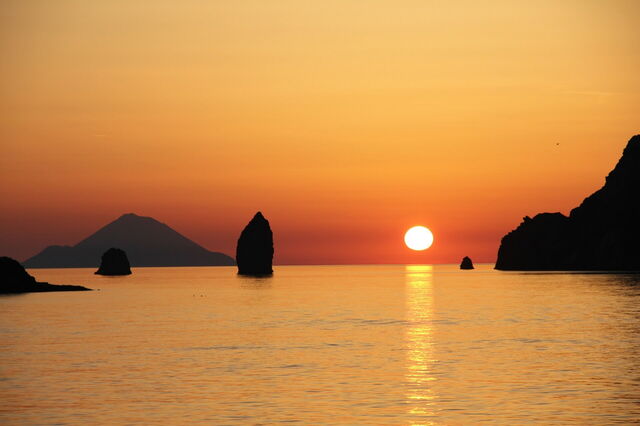
While there is still definitely volcanic activity on the island, never fear, Vulcano has remained mostly quiet since the eruption of the Fossa cone between 1888 and 1890. Rather than being particularly dangerous, the current level of activity is enough to be interesting and a chance to witness fascinating phenomena like The Gran Cratere and fumaroles. The first thing most people do upon arriving on the island, in fact, is to head to the crater, where you can take in an incredible view of the whole island and out over the whole Tyrrhenian coast of Messina. Not an overly difficult climb, it is well worth the view and to see volcanic activity in action before your eyes. The smell of sulphur all over the island is a bit off-putting at first, we'll admit, but the whole place is extraordinary and worth pushing through the first uncertainties that the odour might cause.
Other than ascending the crater, having a look at it, and taking in the amazing panorama afforded from the top, there are plenty of other things to do on Vulcano. There are several ways to tour and explore the island including walking tours and guided treks and renting bikes or quads to zoom across the rocky terrain. If you are interested in taking in more pretty views, Capo Grillo also affords a wonderful vantage point over the coast and is a must for photographers among your party. To learn more about the volcanic action of the island, you can head to the fumaroles for a tour and some demonstrations and then to the extraordinary Valley of Mostri, an area where the stones formed by lava are shaped like animals and mysterious figures.
Head to the Port of Levante for its famous underwater springs and mud baths that boast healing properties for the skin and then on to the Port of Ponente, where you'll find emerald waters and a rather unusual black beach coloured by volcanic ash. Finish it all off at the southern tip of the island, where you'll find the beautiful beach of Asino, which is an ideal spot to relax, have a splash, and cool off after exploring the island. Rugged, beautiful, and full of surprises, Vulcano is a magic spot in Italy boasts a whole host of things to see and do.
Other than ascending the crater, having a look at it, and taking in the amazing panorama afforded from the top, there are plenty of other things to do on Vulcano. There are several ways to tour and explore the island including walking tours and guided treks and renting bikes or quads to zoom across the rocky terrain. If you are interested in taking in more pretty views, Capo Grillo also affords a wonderful vantage point over the coast and is a must for photographers among your party. To learn more about the volcanic action of the island, you can head to the fumaroles for a tour and some demonstrations and then to the extraordinary Valley of Mostri, an area where the stones formed by lava are shaped like animals and mysterious figures.
Head to the Port of Levante for its famous underwater springs and mud baths that boast healing properties for the skin and then on to the Port of Ponente, where you'll find emerald waters and a rather unusual black beach coloured by volcanic ash. Finish it all off at the southern tip of the island, where you'll find the beautiful beach of Asino, which is an ideal spot to relax, have a splash, and cool off after exploring the island. Rugged, beautiful, and full of surprises, Vulcano is a magic spot in Italy boasts a whole host of things to see and do.