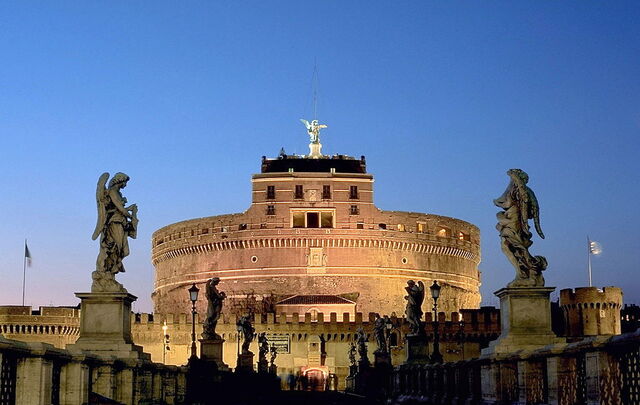
In the capital city of Rome there is the majestic Castel Sant’ Angelo, also known as the Mausoleum of Hadrian. This huge cylindrical fortress is located in Parco Adriano and was built by order of the Roman emperor Hadrian as an elaborate family tomb for him and his descendants to be interred.
In later years it came under the ownership of Vatican City and was used as a residence and hideaway of popes.Stay in beautiful holiday rental in Rome where you can spend a few days exploring all the treasures this city has within its hold.
In later years it came under the ownership of Vatican City and was used as a residence and hideaway of popes.Stay in beautiful holiday rental in Rome where you can spend a few days exploring all the treasures this city has within its hold.
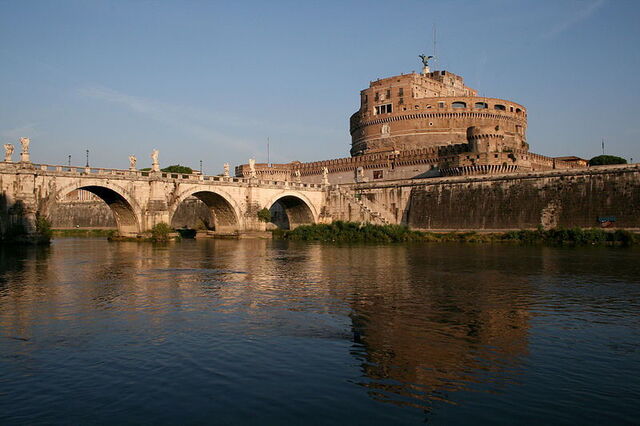
Built on the right side of the mighty River Tiber, the original Mausoleum of Hadrian was built on a slightly smaller section of this site. It was converted into a military fortress in 401 and reinforced the city’s defensive Aurelian walls.
In the 14th century, Vatican City converted it into a castle and built a connecting fortified corridor called Passetto di Borgo. It was used as an escape route for popes during times of siege or when their lives were under serious threat.
In the 14th century, Vatican City converted it into a castle and built a connecting fortified corridor called Passetto di Borgo. It was used as an escape route for popes during times of siege or when their lives were under serious threat.
It was also used as a papal prison of sorts and several executions even took place here in the smaller inner courtyard to serve as a reminder of strict obedience from the catholic public! The Castel Sant’ Angelo also stored a ‘Treasury Room’ where much of the riches acquired by the Vatican over the centuries was carefully guarded.
It also stored huge reserves of food, water and wine in the event of an attack where popes could safely survive for weeks or even months in comfort.
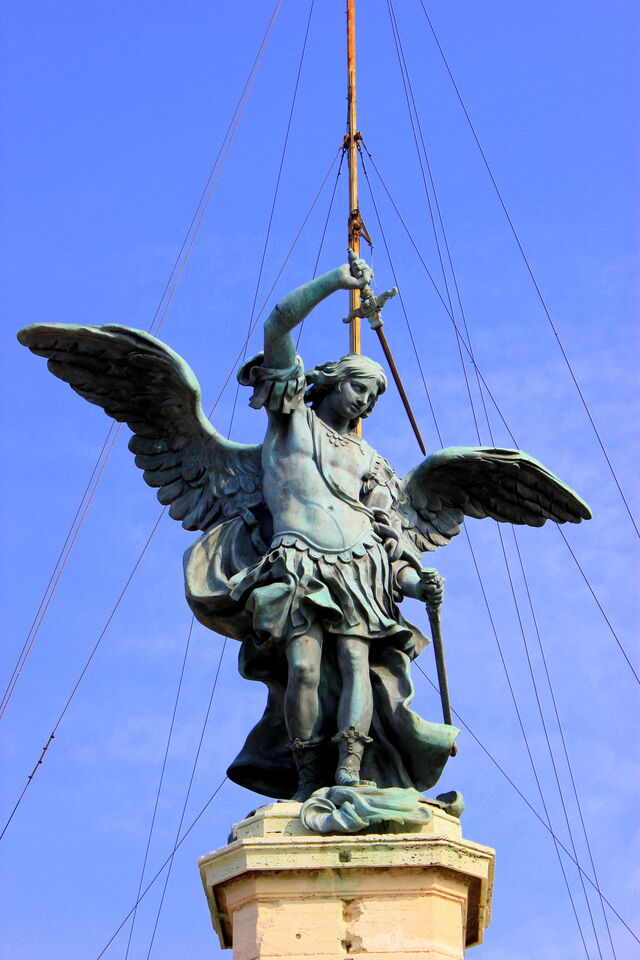
Castel Sant’ Angelo’s present name was inspired by a legend that the archangel Michael appeared on the top of the fortress and raised his sword in grace to put an end to a terrible plague that struck the city in 590 AD. A metal statue of his now stands proudly on the tip of Castel Sant’ Angelo which is beautifully lit up at night.
Come and visit this spectacular building of Rome for yourself among many other fascinating attractions in the capital city of Italy!
It also stored huge reserves of food, water and wine in the event of an attack where popes could safely survive for weeks or even months in comfort.
Castel Sant’ Angelo’s present name was inspired by a legend that the archangel Michael appeared on the top of the fortress and raised his sword in grace to put an end to a terrible plague that struck the city in 590 AD. A metal statue of his now stands proudly on the tip of Castel Sant’ Angelo which is beautifully lit up at night.
Come and visit this spectacular building of Rome for yourself among many other fascinating attractions in the capital city of Italy!
Photo credits
picture 1: Tillea / CC BY-SA 3.0;
picture 2: Jean-Pol GRANDMONT / CC BY-SA 3.0;
picture 3: Ahiyajorge / CC BY-SA 3.0
picture 1: Tillea / CC BY-SA 3.0;
picture 2: Jean-Pol GRANDMONT / CC BY-SA 3.0;
picture 3: Ahiyajorge / CC BY-SA 3.0