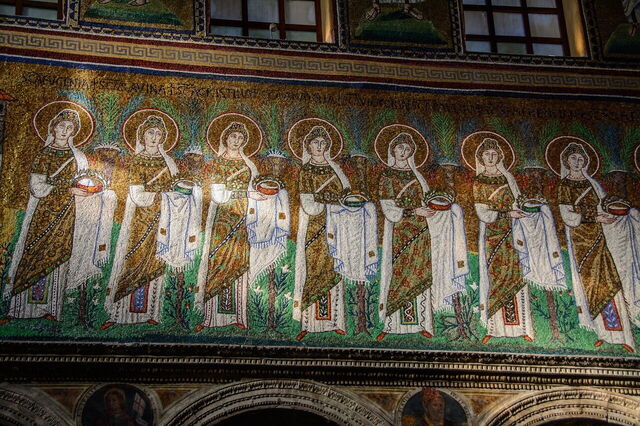
The great art cities of Italy hold untold numbers of extraordinary masterpieces from sculpted pieces brought to life by Michelangelo in astonishing anatomical detail, to crumbling experimental frescoes by da Vinci, to iconic characters painted by the likes of Botticelli, and much more besides. Every medium and subject can be accounted for, millennia of art movements are represented, influence from all over the world can be felt. This is no more true in any other place than Ravenna, where you will find several churches that are like the most beautiful jewellery boxes, adorned with utterly breath-taking mosaics. So, if you book a vacation rental in Emilia-Romagna be sure to visit this stunning and unique art city in Italy to take in her astounding artistic heritage and dazzling works…
Byzantine Treasure
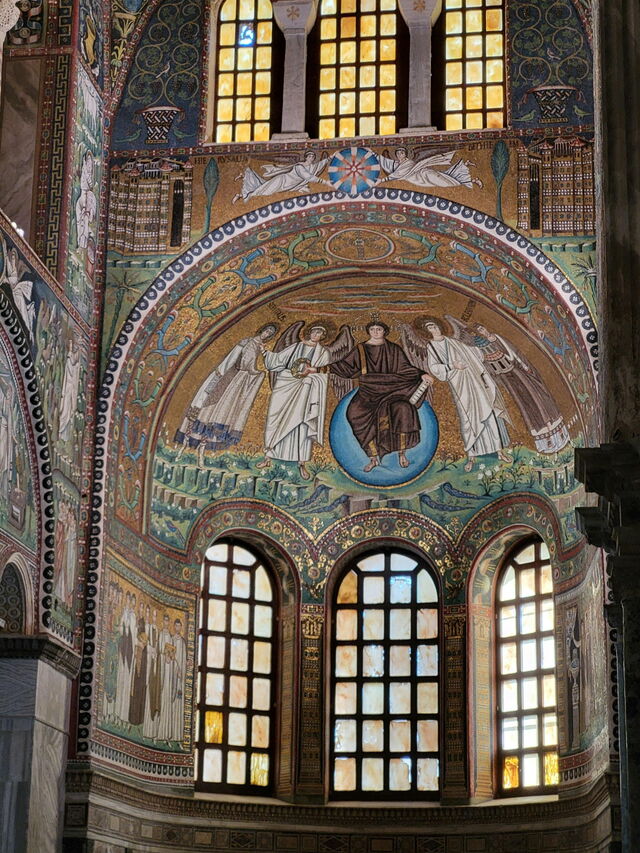
Ravenna was the seat of the Roman Empire in the 5th century and under the control of the Byzantine Empire until the 8th century. The Byzantines were a continuation of the Roman Empire centred around Constantinople during late antiquity and the early Middle Ages. What we might today consider a melting pot of cultures, this empire brought many influences together and particularly brought many eastern ideas and traditions to the west. While we refer to them as the Byzantine Empire, the citizens themselves in their own period would have simply thought of it as the Roman Empire and would have considered themselves Roman.
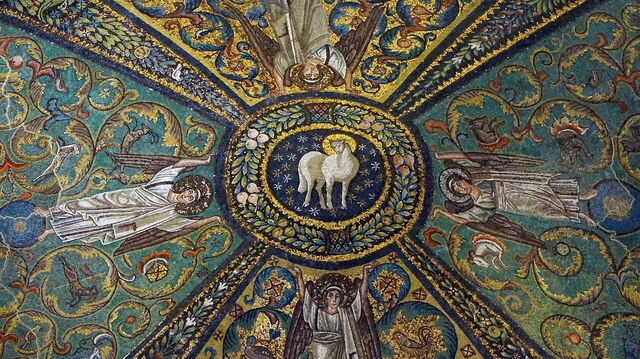
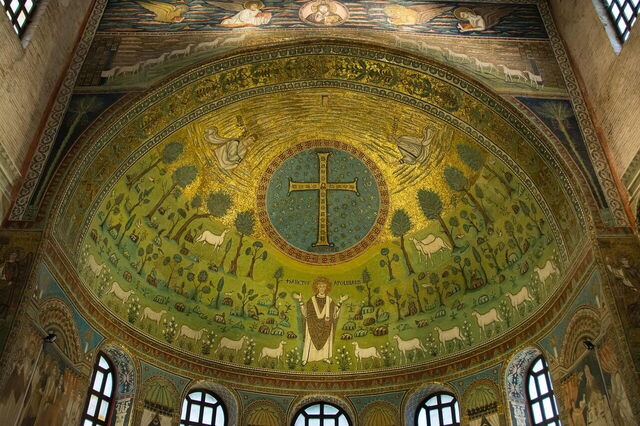
During this period, as a seat of the government, Ravenna saw the construction of several extraordinary Byzantine buildings adorned with truly spectacular mosaics. Eight existing buildings from the 5th and 6th centuries - the Mausoleum of Galla Placidia, the Neonian Baptistery, the Basilica of Sant'Apollinare Nuovo, the Arian Baptistery, the Archiepiscopal Chapel, the Mausoleum of Theodoric, and the Church of San Vitale and the Basilica of Sant'Apollinare in Classe – remain as a UNESCO-awarded testament to the artistic heritage and splendour of the period. The city, therefore, is one of Byzantine treasure.
East meets West
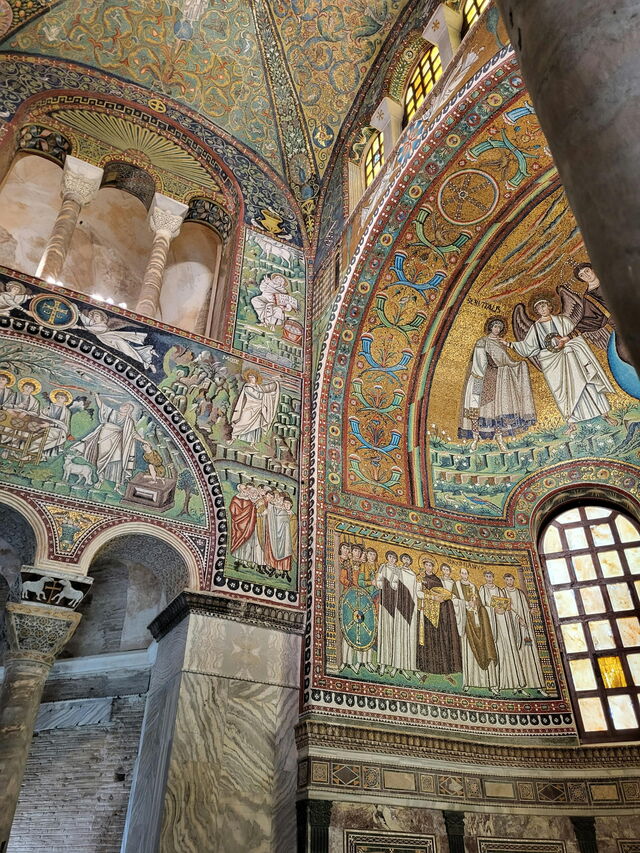
These buildings, “show great artistic skill, including a wonderful blend of Graeco-Roman tradition, Christian iconography and oriental and Western styles,” according to their official UNESCO entry. Inside, you will witness the gilded and gorgeously colourful mosaics, glittering wonders, with the finest examples of this art form outside of Istanbul to be found in the Basilica of San Vitale, the best-known of the buildings. Importantly, there are key depictions of the Emperor Justinian I as well as the Empress Theodora alongside a wealth of scenes from the Old Testament, New Testament, rich floral and geometric designs, images of landscapes and animals, and more. Within the same church, however, is also a complex and heady mixture of other traditions and later styles and influences including Roman architectural elements and Baroque frescoes. The result is richer, lovelier, and more interesting for how the various traditions and styles come together.
Whiplash
As you wander through the various churches and other religious buildings on the list to take in their wonderful mosaics and other wonders, you must be wary craning your next back in awe as the visual feast is truly endless! If you’re not careful, you could give yourself whiplash! But, seriously, do prepare yourself for sensory overload as there will simply be so much to see and take in. We recommend maybe only visiting one or two buildings at most in a day as it will be truly impossible to take it all in.
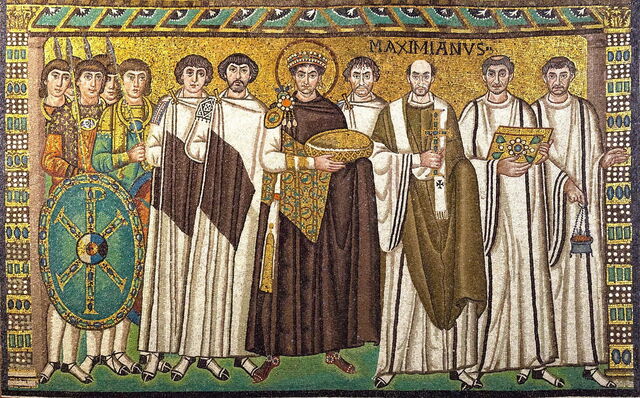
Do take it in, though. Ravenna, while it is less famous than Rome or Florence, is an incredible art city with some remarkable treasures to discover in beyond sumptuous buildings that really are like jewellery boxes just waiting to be opened. Browse our holiday rentals in Emilia Romagna and delve into the region’s famously lush landscapes, delicious cuisine, and cultural wealth.