Lots of people like to follow their favourite characters on their fictional journeys through destinations and then shadow those footsteps themselves in real life. Think of Bloomsday in Dublin, each summer, that sees fans from all over the globe come to follow Joyce’s protagonist Leopold Bloom around the city. Recently, another Irish author has given us yet another engaging and fascinating protagonist whose journey we can chart with Maggie O’Farrell’s fictionalised novel about the life and death of Lucrezia de' Medici, Duchess of Ferrara, in The Marriage Portrait.
The celebrated and well-loved O’Farrell released the book in 2022 to great acclaim and immediately transported readers all over the world into the life of an incredibly young bride in Renaissance Italy. Certain liberties have been taken with the details of her life but the story is rooted in historic record and real events and places. Those, therefore, who have read and adored the book can pretty easily track Lucrezia’s path from birth to childhood to a rather nerve-wracking young married life in a strange court. In fact, many of the places in the novel are already key tourist attractions that one might already be planning on visiting if booking a villa in Florence and/or a vacation rental in Emilia Romagna.
Tuscany
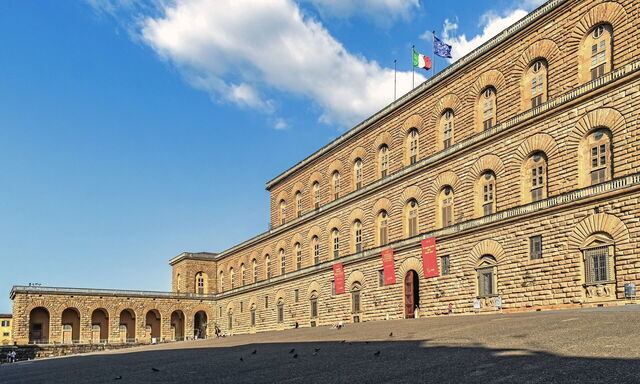
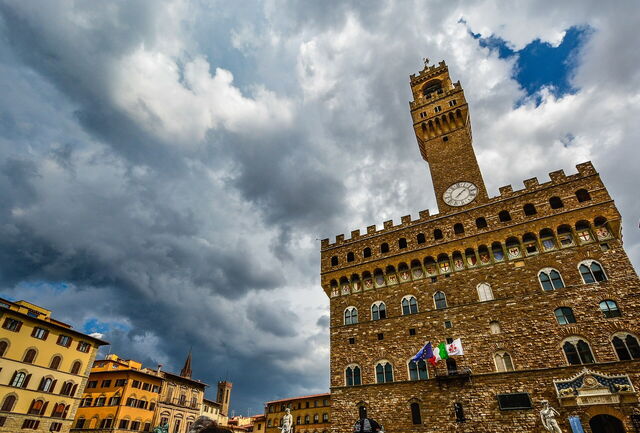
Beginning in Lucrezia’s birthplace and the kingdom over which her father, Cosimo I de' Medici, ruled, we find ourselves in Florence, Tuscany. The Medici family at the time had moved from the Palazzo Vecchio to the nearby Palazzo Pitti, which was bought by Lucrezia’s mother when Lucrezia was four years old. In the novel, however, their home is merely referred to as the, “palazzo,” and no mention of the move from one to the other is made. O’Farrell notes in the afterword of the book that she decided to make the Palazzo Pitti their singular home in order to avoid confusion. This palace is the only backdrop and setting for the first portion of the story and for the entirety of Lucrezia’s childhood.
As was often the case for noblewomen of the time, one’s upbringing was a somewhat stifling experience as women rarely left their family homes until they were eventually sent to their husband's home. This claustrophobic concept is mirrored in these early scenes of the story, as we see the tight confines of Lucrezia’s upbringing. We do get to experience a tiny bit of adventure and the outside world through glimpses of the outings of her father, the duke, who is said to swim in the nearby Arno River and comes and goes for business. The Palazzo Pitti was connected by a corridor called the Vasari Corridor (designed by the great architect Vasari) that allowed Cosimo to cross over the Arno above the Ponte Vecchio, through the Uffizi (literally, his offices), and to the Palazzo Vecchio, which became the official seat of the Florentine government.
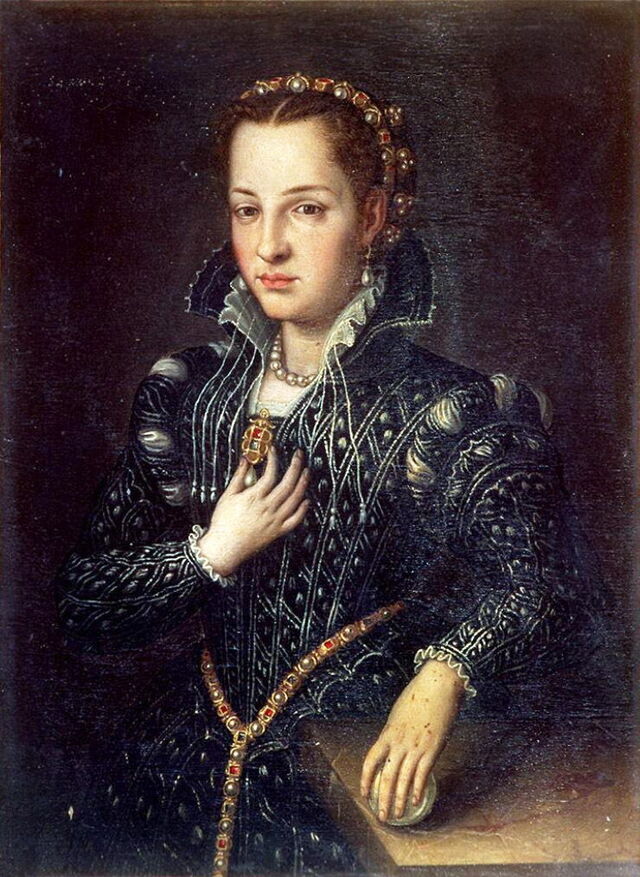
Today, those who find a villa with pool in Florence and are following the characters of the novel will be glad to know that the Palazzo Pitti can be visited and is actually home to the extraordinary Palatine Gallery and its collection of 500 Renaissance paintings, many of which were once part of the private collection of the Medici family and some of which would have hung on the walls of the spaces through which Lucrezia moved. The museum also houses a copy of the famous Bronzino portrait of Lucrezia painted before her marriage, which can be viewed so that fans may look their protagonist in the eye.
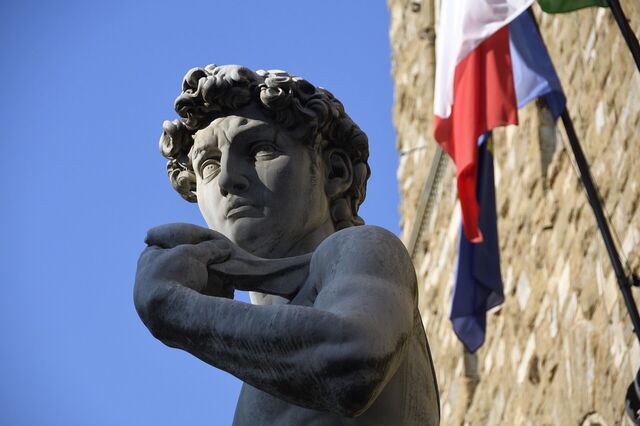
The Palazzo Vecchio can also be visited and is a museum dedicated to the history of the city, though the most direct interaction with the building that Lucrezia is seen to have in the novel is her farewell glance at Michelangelo’s David, who stood outside the building at the time, as she departs her childhood home for her new husband’s. Today, the original statue can be viewed in the nearby Galleria Dell’Accademia but you can still see the copy that stands in its former location to get a sense of this parting greeting for yourself.
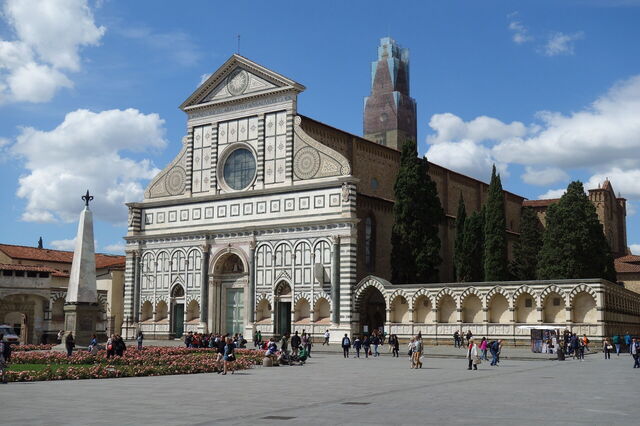
The only other location mentioned in the novel in Florence is the church in which Lucrezia is married to the Duke of Ferrara, the Church of Santa Maria Novella. While in reality there is some debate about where the wedding took place, this is, indeed, one of the two candidates (the other being the chapel in the Palazzo Pitti itself). This beautiful gem of a church, with Alberti’s stunning polychromatic facade and elegant and soaring interiors is one of the finest examples in the city and another gem that can be readily visited by tourists during a vacation in Florence.
Ferrara
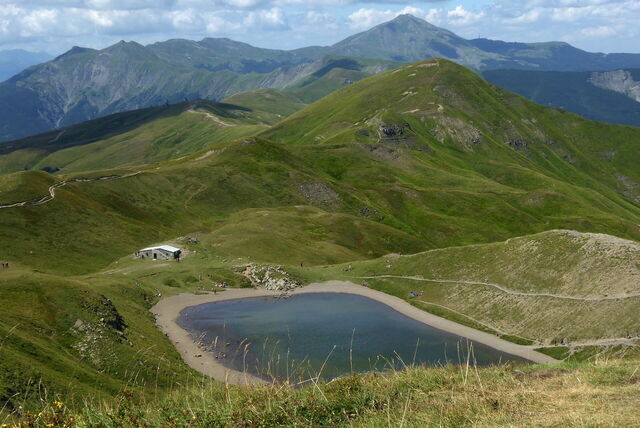
Much of the book, then, takes place in the land of her husband, which is in modern-day Emilia-Romagna. The journey to his home is disorienting and not overly detailed in its account as the dazed and exhausted Lucrezia makes her way there. We do, however, get mentions of the woods and the Apennine Mountains. Though no doubt massively changed since the sixteenth century, this landscape remains relatively lush and beautiful, with lots of hiking trails and leisure pursuits that can offer the contemporary visitor a much more enjoyable experience of this incredible landscape than Lucrezia while on holiday in Emilia-Romagna.
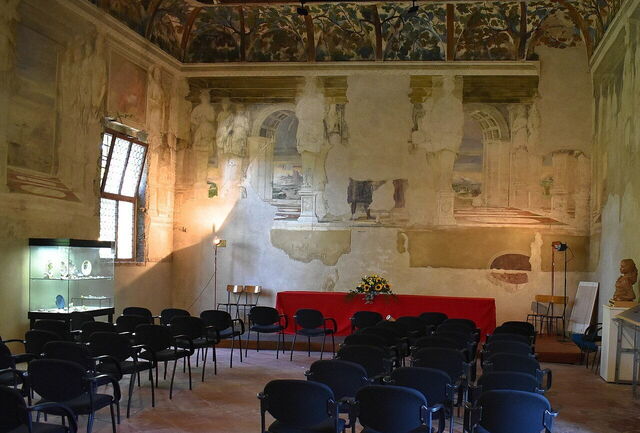
The first place where Lucrezia spends significant time upon leaving her family’s home and in which we see her get to explore the outside world a bit more is one of the Court of Ferrara’s delizie, one of the pleasure villas built so that family members could get away from the city and relax. Like many of the places in the novel, it is not named specifically. However, some clues given in the novel including the elaborate frescoes mentioned inside, the extensive grounds outside (that Lucrezia gets to joyfully explore as a little taste of freedom), the shady courtyards, and the fact that Duke Alfonso is able to ride back to his main seat within a couple of hours, it is possible to deduce that the delizia in question may be the Delizia di Belriguardo. If so, then it can be visited by those interested, though its original opulence has been affected by the fact that it was later split into multiple residences and many of the lush frescoed rooms were subsequently made into barns. However, the Sala delle Vigne room inside the building is now open to the public as the Civic Museum of Belriguardo and houses Renaissance ceramics, documents on Belriguardo, an area with archaeological finds from a Roman necropolis of Voghenza, and a collection of Modern Art.
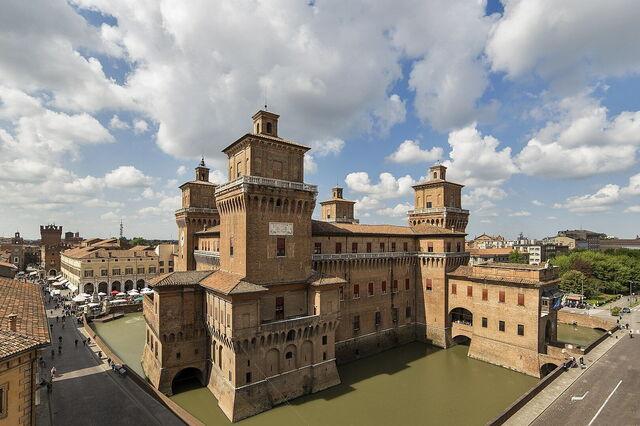
However, the crown in the gem of the locations mentioned in Ferrara in the novel and the place in which we find ourselves for much of the latter part of the novel, that is a must for anyone spending time on vacation in Emilia-Romagna is the imposing and extraordinary Castello Estense. The seat of the Ferrara Court and the main dwelling of the duke, it is a suitably impressive architectural gem. Upon first arrival, Lucrezia is greeted with the foreboding sight of its moat and drawbridge and fortified exterior, though she does discover the loveliness of some rooms within, particularly her chambers. Today, the castle and its lushly decorated interiors are opened as a museum to the public and are truly breathtaking.
So, if you are a Maggie O’Farrell fan looking to vacation in Italy and you’d like to follow her latest intriguing protagonist around the country then be sure to find a villa in Florence and/or a holiday rental in Emilia-Romagna.