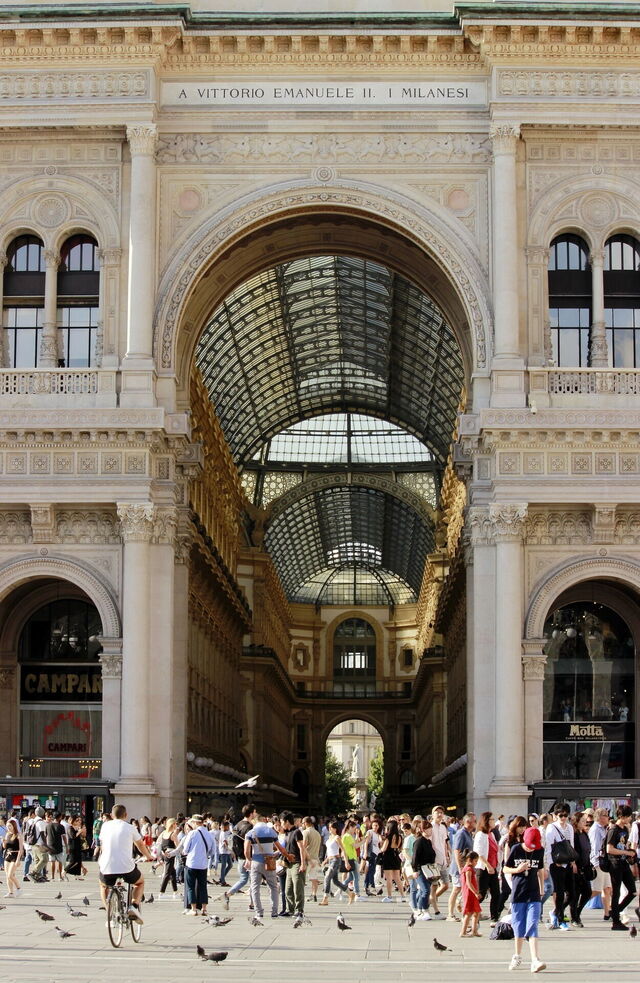
What comes to mind when you think of Italy? Is it the famous culinary heritage that has become so beloved that it is now also a mainstay of many other cultures and countries around the globe? Is the genius artists that filled incredible churches, palaces, town squares, public buildings, and museums all over the country with masterpieces? Is it the beautiful and diverse landscape of the country that varies from perfect white sandy beaches lapped by azure seas to the famously pastoral and lovely rolling green hills of Tuscany to the pretty seaside towns perched on craggy cliffs to the impressive snow-capped peaks of the Alps, and much more besides? Is it the relaxed and easy-going lifestyle of much of the country that is envied all over the world? Or, perhaps, is it the famously stylish citizens and beloved fashion houses and designers?
For many, it is the latter. The stylish eateries and bars, picture-perfect towns, fashionable people-watching, and excellent shopping (and window-shopping because lots of those famous brands are outside of the reach of most of our budgets) are all factors that draw the fashion set to Italy, looking for a chic getaway. If you're one of those people, interested in Italian style and learning more about it, we have put together a guide, an A-Z of fashion in Italy:
For many, it is the latter. The stylish eateries and bars, picture-perfect towns, fashionable people-watching, and excellent shopping (and window-shopping because lots of those famous brands are outside of the reach of most of our budgets) are all factors that draw the fashion set to Italy, looking for a chic getaway. If you're one of those people, interested in Italian style and learning more about it, we have put together a guide, an A-Z of fashion in Italy:
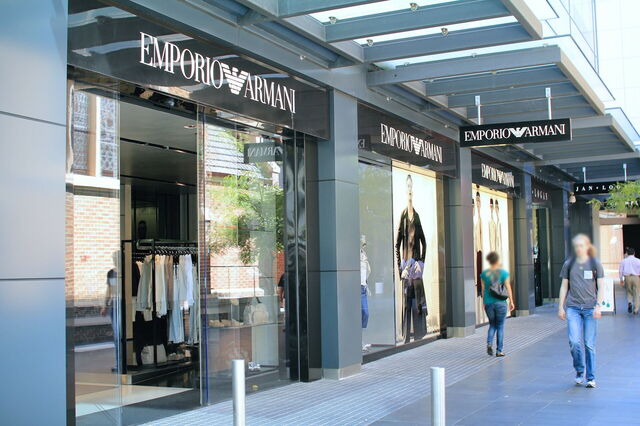
A is for Armani
Giorgio Armani founded his label back in 1975 after gaining attention while working at Cerutti and then freelancing, producing his first menswear and womenswear collections for the 1976 Spring/Summer season. Since then, Armani has become one of the best-known and most successful designers of Italian origin and has expanded the collection from just the Giorgio Armani brand, to also include other labels such as Emporio Armani, Armani Collezioni, Armani Exchange, and Armani Junior as well as a homewares line, a chocolates line, a florist, hotels, restaurants, cafés, and a museum.
B is for Bottega Veneta
This classic Italian brand was founded back in 1966 in Vicenza, Veneto and has its atelier is located within an 18th-century villa in Montebello Vicentino and current headquarters in Lugano, Switzerland. Established by entrepreneurs Michele Taddei and Renzo Zengiaro as an artisanal luxury leather goods production company, they became famous for their distinct leather-weaving technique. In the 80s, the brand suffered a decline, which continued until it underwent a new direction in the early 2000s. Now fully revived, the brand is once more synonymous with artisanal quality and luxury and produces leather goods, ready-to-wear, shoes, fine jewellery, fashion jewellery, perfume, eyewear, and furniture.
C is for Capucci
Roberto Capucci was born in Rome in 1930 and is an innovative and talented designer who was recognised for his skill and vision early in his career. He produced his own collections and designed costumes for movies and became known for his incredible sculptural creations that utilised unusual materials. Considered one of the most important designers of the 20th century, Capucci's work often blurred the line between clothing and art and has been showcased in some of the biggest and most famous museums in the world.
Giorgio Armani founded his label back in 1975 after gaining attention while working at Cerutti and then freelancing, producing his first menswear and womenswear collections for the 1976 Spring/Summer season. Since then, Armani has become one of the best-known and most successful designers of Italian origin and has expanded the collection from just the Giorgio Armani brand, to also include other labels such as Emporio Armani, Armani Collezioni, Armani Exchange, and Armani Junior as well as a homewares line, a chocolates line, a florist, hotels, restaurants, cafés, and a museum.
B is for Bottega Veneta
This classic Italian brand was founded back in 1966 in Vicenza, Veneto and has its atelier is located within an 18th-century villa in Montebello Vicentino and current headquarters in Lugano, Switzerland. Established by entrepreneurs Michele Taddei and Renzo Zengiaro as an artisanal luxury leather goods production company, they became famous for their distinct leather-weaving technique. In the 80s, the brand suffered a decline, which continued until it underwent a new direction in the early 2000s. Now fully revived, the brand is once more synonymous with artisanal quality and luxury and produces leather goods, ready-to-wear, shoes, fine jewellery, fashion jewellery, perfume, eyewear, and furniture.
C is for Capucci
Roberto Capucci was born in Rome in 1930 and is an innovative and talented designer who was recognised for his skill and vision early in his career. He produced his own collections and designed costumes for movies and became known for his incredible sculptural creations that utilised unusual materials. Considered one of the most important designers of the 20th century, Capucci's work often blurred the line between clothing and art and has been showcased in some of the biggest and most famous museums in the world.
D is for Dolce and Gabbana
Dolce and Gabbana was founded by Domenico Dolce and Stefano Gabbana in 1985 after the two young designers met in Milan in 1980. The brand has since grown into a global phenomenon with menswear, womenswear, children's, perfume, eyewear, accessory, and jewellery lines to name but some of their operations. Famous for their large-scale shows in impressive settings, elaborate art and historical references in their clothes, the influence of Sicilian culture, and a rich, colourful, and feminine aesthetic, the brand has also found itself in hot water and has had to deal with many controversies in recent years due to public remarks made by its two founders and cultural insensitivity and PR missteps.
E is for Emilio Pucci
Emilio Pucci, or more correctly, Don Emilio Pucci, Marchese di Barsento, was a Florentine fashion designer and politician who founded Pucci, a brand that has become synonymous with a bold use of colour and geometric patterns. We have actually written all about him here before so check it out.
F is for Ferragamo
Another Florentine brand, Ferragamo was founded by Salvatore Ferragamo in 1927 and, while they have produced other goods, are most famous as a footwear brand. Famous patrons throughout the years have included Audrey Hepburn, Sophia Loren, Greta Garbo, Andy Warhol, Lil Uzi Vert, Grace Mugabe, and Diana, Princess of Wales. The label is still run by the Ferragamo family and headquartered in the Palazzo Spini Feroni, in which there is a museum dedicated to the brand.
G is for Gucci
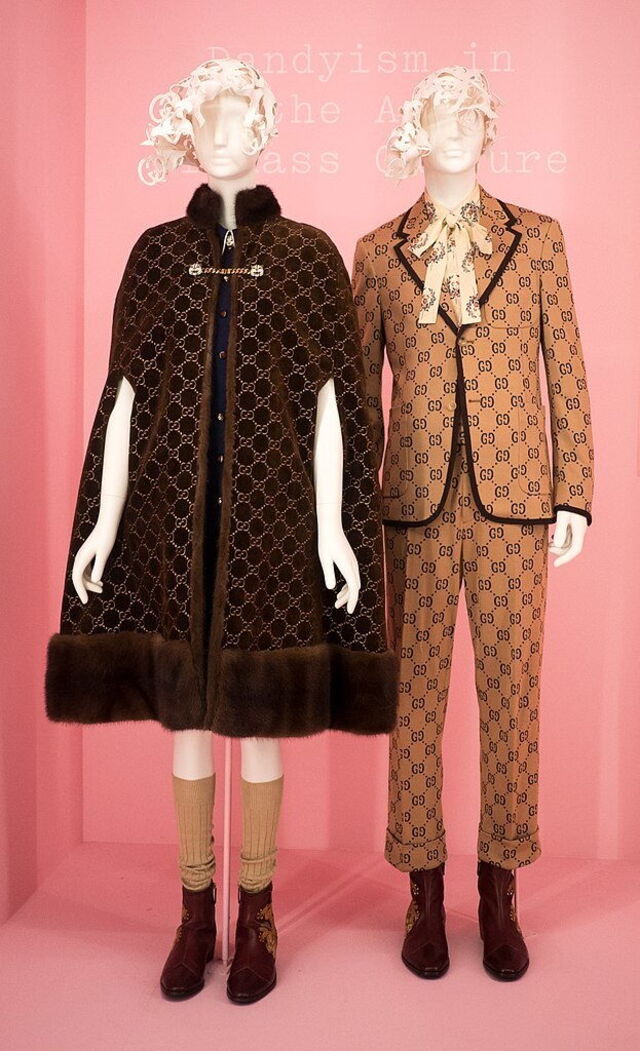
One of the most famous fashion labels from Italy and the highest-earning Italian brand, Gucci is yet another Florentine export that was established in 1921 by Guccio Gucci, who was inspired after working in hotels in Paris and London and handling the luggage of the wealthy, to start his own company making luxury leather goods. Today the brand has 278 stores of its own around the world as well as being stocked in luxury stores and department stores all over the globe. Famous currently for Creative Director Alessandro Michele's exciting, large-scale shows and eccentric aesthetic, the brand is worth an estimated $12.4 billion.
Dolce and Gabbana was founded by Domenico Dolce and Stefano Gabbana in 1985 after the two young designers met in Milan in 1980. The brand has since grown into a global phenomenon with menswear, womenswear, children's, perfume, eyewear, accessory, and jewellery lines to name but some of their operations. Famous for their large-scale shows in impressive settings, elaborate art and historical references in their clothes, the influence of Sicilian culture, and a rich, colourful, and feminine aesthetic, the brand has also found itself in hot water and has had to deal with many controversies in recent years due to public remarks made by its two founders and cultural insensitivity and PR missteps.
E is for Emilio Pucci
Emilio Pucci, or more correctly, Don Emilio Pucci, Marchese di Barsento, was a Florentine fashion designer and politician who founded Pucci, a brand that has become synonymous with a bold use of colour and geometric patterns. We have actually written all about him here before so check it out.
F is for Ferragamo
Another Florentine brand, Ferragamo was founded by Salvatore Ferragamo in 1927 and, while they have produced other goods, are most famous as a footwear brand. Famous patrons throughout the years have included Audrey Hepburn, Sophia Loren, Greta Garbo, Andy Warhol, Lil Uzi Vert, Grace Mugabe, and Diana, Princess of Wales. The label is still run by the Ferragamo family and headquartered in the Palazzo Spini Feroni, in which there is a museum dedicated to the brand.
G is for Gucci
One of the most famous fashion labels from Italy and the highest-earning Italian brand, Gucci is yet another Florentine export that was established in 1921 by Guccio Gucci, who was inspired after working in hotels in Paris and London and handling the luggage of the wealthy, to start his own company making luxury leather goods. Today the brand has 278 stores of its own around the world as well as being stocked in luxury stores and department stores all over the globe. Famous currently for Creative Director Alessandro Michele's exciting, large-scale shows and eccentric aesthetic, the brand is worth an estimated $12.4 billion.
H is for Hogan
Hogan is a brand from the same group as Tod's that was launched in 1986 and has become synonymous with chic, dynamic, and comfortable footwear. Known for their exceptional quality, they are an enduringly popular Italian wardrobe staple.
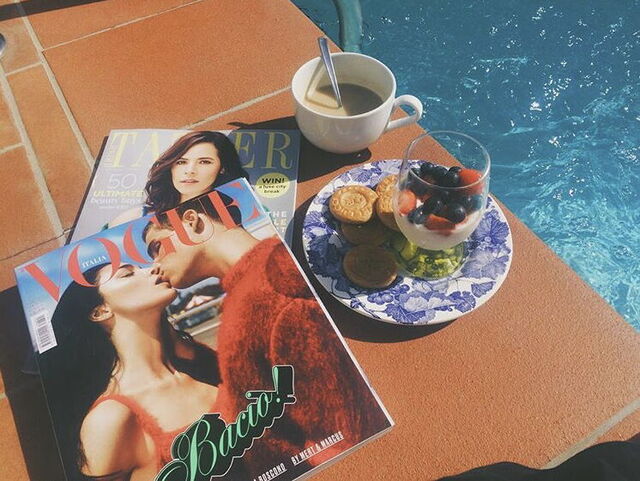
I is for Italian Vogue
Italian Vogue, or Vogue Italia, is not only Italy's biggest, most famous, and most important fashion publication but it is also one of the most important fashion magazines in the world, often pushing boundaries, setting new precedents, and getting into scandals along the way.
J is for Jeans
Though it may surprise some, Italy is actually famous for her denim, in fact the first jeans were made in Genoa and the word “jeans” comes from the French word for that city. High-quality fabrics and excellent cuts and tailoring means that Italian jeans are some of the best in the world!
K is for Kiton
Kiton was founded by Ciro Paone in Naples in 1968 and is most well-known for its incredible bespoke service and tailored pieces for men and women.
Hogan is a brand from the same group as Tod's that was launched in 1986 and has become synonymous with chic, dynamic, and comfortable footwear. Known for their exceptional quality, they are an enduringly popular Italian wardrobe staple.
I is for Italian Vogue
Italian Vogue, or Vogue Italia, is not only Italy's biggest, most famous, and most important fashion publication but it is also one of the most important fashion magazines in the world, often pushing boundaries, setting new precedents, and getting into scandals along the way.
J is for Jeans
Though it may surprise some, Italy is actually famous for her denim, in fact the first jeans were made in Genoa and the word “jeans” comes from the French word for that city. High-quality fabrics and excellent cuts and tailoring means that Italian jeans are some of the best in the world!
K is for Kiton
Kiton was founded by Ciro Paone in Naples in 1968 and is most well-known for its incredible bespoke service and tailored pieces for men and women.
L is for lace
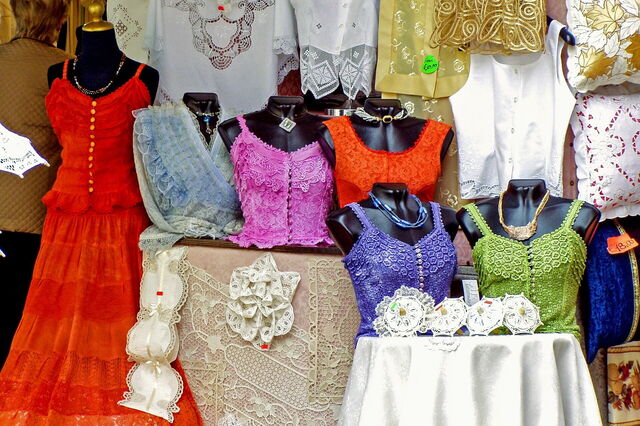
Burano, an island in the Venetian Lagoon, just a few miles from Venice, is famous as a tourist destination that draws visitors to see and photograph her colourful buildings. However, the island is equally famous for the extraordinarily beautiful handmade lace that has been produced there for hundreds of years.
M is for Milan Fashion Week
Milan Fashion Week is one of the “Big Four” or one of the main fashion weeks in the world (along with Paris, London, and New York) and has regularly been considered the most important event in the fashion calendar throughout the decades. Occurring twice a year, in February and September, it is where Italian and Italian-based brands showcase their work to the press, influencers, celebrities, and the public ahead of the next fashion season.
N is for N°21
Debuted in 2010, N°21 is the latest brainchild of Naples-born designer Alessandro Dell'Acqua who returned with the brand after leaving his eponymous label in 2009. Named for his birthday and lucky number, the brand is known for its pretty, put-together aesthetic.
O is for OTB
OTB Group, standing for, “Only the Brave,” is a key Italian parent group that owns brands such as Diesel, Maison Margiela, Marni, Viktor & Rolf, Amiri, Dsquared2, Just Cavalli, and Vivienne Westwood.
Burano, an island in the Venetian Lagoon, just a few miles from Venice, is famous as a tourist destination that draws visitors to see and photograph her colourful buildings. However, the island is equally famous for the extraordinarily beautiful handmade lace that has been produced there for hundreds of years.
M is for Milan Fashion Week
Milan Fashion Week is one of the “Big Four” or one of the main fashion weeks in the world (along with Paris, London, and New York) and has regularly been considered the most important event in the fashion calendar throughout the decades. Occurring twice a year, in February and September, it is where Italian and Italian-based brands showcase their work to the press, influencers, celebrities, and the public ahead of the next fashion season.
N is for N°21
Debuted in 2010, N°21 is the latest brainchild of Naples-born designer Alessandro Dell'Acqua who returned with the brand after leaving his eponymous label in 2009. Named for his birthday and lucky number, the brand is known for its pretty, put-together aesthetic.
O is for OTB
OTB Group, standing for, “Only the Brave,” is a key Italian parent group that owns brands such as Diesel, Maison Margiela, Marni, Viktor & Rolf, Amiri, Dsquared2, Just Cavalli, and Vivienne Westwood.
P is for Prada
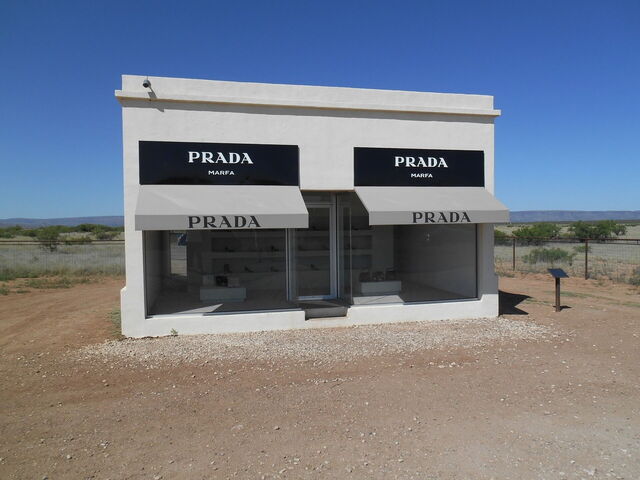
Prada is another juggernaut of the Italian fashion industry. Established in Milan in 1913 by Mario Prada, his granddaughter, Miuccia Prada is currently the head designer, despite the fact that Mario did not initially want women to be involved in his business. Originally a leather goods producer, the brand has grown exponentially and now includes perfumes, menswear, womenswear, a children's line, shoes, accessories, eyewear, art exhibitions, architectural projects, a museum, cafés, restaurants, bars, watches, and more. It is a massive, multi-billion dollar company that boasts a portfolio of other brands (including Miu Miu, a more youthful label named for Miuccia's nickname, and Church's, a footwear brand) and ventures. Known today for the intelligent, conceptual designs of Miuccia Prada and for putting preconceived notions of sex appeal and attractiveness to the test, this luxurious, smart, stylish brand remains one of the main players in fashion today.
Q is for quality
Italy has been famous for its production of high-quality fabrics for centuries from Florentine leather to Burano lace to high-end denim. If you are looking for quality, then just look to Italy.
R is for Roman Holiday
“Roman Holiday,” the classic 1953 rom-com starring Audrey Hepburn as a princess in disguise out to see Rome and Gregory Peck as an ex-pat journalist based in the city who meet, fall in love, and explore the city together, is a love letter to the city and to Italian style. It, and many other films throughout the decades, made in, set in, and about Italy have helped promote Italian style worldwide and secure Italy as a romantic fashion hotspot in the public imagination.
S is for Schiaparelli
Elsa Schiaparelli was one of the most important designers of the 20th century and competed with rival Coco Chanel for prominence in the fashion industry between the two world wars. While she is less well-known today, she is a key figure in the history of fashion and has been incredibly influential. Influenced by the surrealists, Salvador Dalí and Jean Cocteau, with whom she collaborated, Schiaparelli was one of the first designers to work with flattering wrap-dresses, developed a swimsuit with a built-in bra, used visible zippers as design elements, used unusual buttons that resembled everything from candles to cauliflowers, and used innovative materials from tree bark to crumpled rayon. Her “lobster dress”, her jewellery designs with Dalí, and her shoe hat remain enduringly famous.
Prada is another juggernaut of the Italian fashion industry. Established in Milan in 1913 by Mario Prada, his granddaughter, Miuccia Prada is currently the head designer, despite the fact that Mario did not initially want women to be involved in his business. Originally a leather goods producer, the brand has grown exponentially and now includes perfumes, menswear, womenswear, a children's line, shoes, accessories, eyewear, art exhibitions, architectural projects, a museum, cafés, restaurants, bars, watches, and more. It is a massive, multi-billion dollar company that boasts a portfolio of other brands (including Miu Miu, a more youthful label named for Miuccia's nickname, and Church's, a footwear brand) and ventures. Known today for the intelligent, conceptual designs of Miuccia Prada and for putting preconceived notions of sex appeal and attractiveness to the test, this luxurious, smart, stylish brand remains one of the main players in fashion today.
Q is for quality
Italy has been famous for its production of high-quality fabrics for centuries from Florentine leather to Burano lace to high-end denim. If you are looking for quality, then just look to Italy.
R is for Roman Holiday
“Roman Holiday,” the classic 1953 rom-com starring Audrey Hepburn as a princess in disguise out to see Rome and Gregory Peck as an ex-pat journalist based in the city who meet, fall in love, and explore the city together, is a love letter to the city and to Italian style. It, and many other films throughout the decades, made in, set in, and about Italy have helped promote Italian style worldwide and secure Italy as a romantic fashion hotspot in the public imagination.
S is for Schiaparelli
Elsa Schiaparelli was one of the most important designers of the 20th century and competed with rival Coco Chanel for prominence in the fashion industry between the two world wars. While she is less well-known today, she is a key figure in the history of fashion and has been incredibly influential. Influenced by the surrealists, Salvador Dalí and Jean Cocteau, with whom she collaborated, Schiaparelli was one of the first designers to work with flattering wrap-dresses, developed a swimsuit with a built-in bra, used visible zippers as design elements, used unusual buttons that resembled everything from candles to cauliflowers, and used innovative materials from tree bark to crumpled rayon. Her “lobster dress”, her jewellery designs with Dalí, and her shoe hat remain enduringly famous.
T is for Tisci
Riccardo Tisci is an Italian-born designer who has famously worked for large international labels throughout his career. After a stint as creative director for Givenchy, where he was hired just a few short years after graduating from the famous Central Saint Martins, he is now Chief Creative Officer of Burberry Group in London. Famous for his dark and Gothic sensibilities, Tisci is a major collaborator who has worked on varied projects from designing tour costumes for Madonna to working with publications to designing sneakers for Nike to collaborating on the creation of fragrances.
U is for Ultimate Accessories
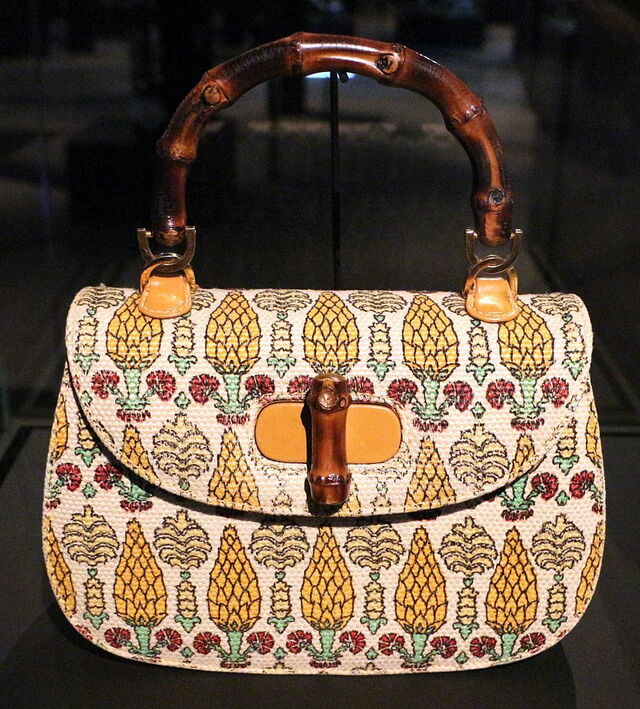
Leather goods have long-since been an important area of production in Italy and, as such, Italian brands have always been able to produce the most impressive and beautiful bags and accessories. In particular, this expertise has meant that many of the “it bags” (the hottest handbag of a season, as deemed by fashion insiders, a trend that began in earnest in the 1990s but fell out of favour at the beginning of the 2010s) have historically come from Italy. In fact, the concept of the “it bag” was first born in Italy in the 1940s when the brand Roberta di Camerino began producing bags with artisan-made hardware, new fabrics, and new concepts for handbags that would later be utilised by other brands (weaving leather and covering a bag with a logo-pattern of an “r”, to name but two ideas), which made them instantly recognisable and infinitely enviable. Some of the most famous “it bags” that Italy has produced have included Fendi's Baguette, Prada's Vela bowling bag and their nylon backpack, Bottega Veneta's woven bags, and Gucci's bamboo-handled bags and Jackie bag.
V is for Versace
Versace was founded by Gianni Versace in 1978 and is still headed by his sister, Dontalla Versace today. Seen as a rock and roll label as it was worn by Elton John, Michael Jackson, and the most famously beautiful supermodels of the nineties, the brand was launched into infamy after the murder of Gianni in 1997. While the label faced decline in the 2000s, it has survived and remained prominent in the public imagination as a brand that is sexy, flashy, colourful, and mixes prints with wild abandon. Not for the faint of heart!
W is for Where it All Began
While Italy remains an important centre for fashion, the modern fashion industry can be said to have important roots in Italy of the 11th to 16th centuries, when artistic development in the country was at its peak. This is when Rome, Palermo, Venice, Milan, Naples, Florence, and Vicenza all started to produce luxury goods, hats, cosmetics, jewellery and rich fabrics. While France then became Europe's main trendsetter from the 17th century to the early 20th, from the time of the fashion soirées held by Giovanni Battista Giorgini in Florence in the 1950s onwards, Italy began to compete again. The two countries continue to duke it out for the title of Europe's chicest centres, though other challengers are constantly cropping up. However, throughout all the ups and downs, there is no doubt that Italy is really where it all began.
Riccardo Tisci is an Italian-born designer who has famously worked for large international labels throughout his career. After a stint as creative director for Givenchy, where he was hired just a few short years after graduating from the famous Central Saint Martins, he is now Chief Creative Officer of Burberry Group in London. Famous for his dark and Gothic sensibilities, Tisci is a major collaborator who has worked on varied projects from designing tour costumes for Madonna to working with publications to designing sneakers for Nike to collaborating on the creation of fragrances.
U is for Ultimate Accessories
Leather goods have long-since been an important area of production in Italy and, as such, Italian brands have always been able to produce the most impressive and beautiful bags and accessories. In particular, this expertise has meant that many of the “it bags” (the hottest handbag of a season, as deemed by fashion insiders, a trend that began in earnest in the 1990s but fell out of favour at the beginning of the 2010s) have historically come from Italy. In fact, the concept of the “it bag” was first born in Italy in the 1940s when the brand Roberta di Camerino began producing bags with artisan-made hardware, new fabrics, and new concepts for handbags that would later be utilised by other brands (weaving leather and covering a bag with a logo-pattern of an “r”, to name but two ideas), which made them instantly recognisable and infinitely enviable. Some of the most famous “it bags” that Italy has produced have included Fendi's Baguette, Prada's Vela bowling bag and their nylon backpack, Bottega Veneta's woven bags, and Gucci's bamboo-handled bags and Jackie bag.
V is for Versace
Versace was founded by Gianni Versace in 1978 and is still headed by his sister, Dontalla Versace today. Seen as a rock and roll label as it was worn by Elton John, Michael Jackson, and the most famously beautiful supermodels of the nineties, the brand was launched into infamy after the murder of Gianni in 1997. While the label faced decline in the 2000s, it has survived and remained prominent in the public imagination as a brand that is sexy, flashy, colourful, and mixes prints with wild abandon. Not for the faint of heart!
W is for Where it All Began
While Italy remains an important centre for fashion, the modern fashion industry can be said to have important roots in Italy of the 11th to 16th centuries, when artistic development in the country was at its peak. This is when Rome, Palermo, Venice, Milan, Naples, Florence, and Vicenza all started to produce luxury goods, hats, cosmetics, jewellery and rich fabrics. While France then became Europe's main trendsetter from the 17th century to the early 20th, from the time of the fashion soirées held by Giovanni Battista Giorgini in Florence in the 1950s onwards, Italy began to compete again. The two countries continue to duke it out for the title of Europe's chicest centres, though other challengers are constantly cropping up. However, throughout all the ups and downs, there is no doubt that Italy is really where it all began.
X is for X: Collaborations
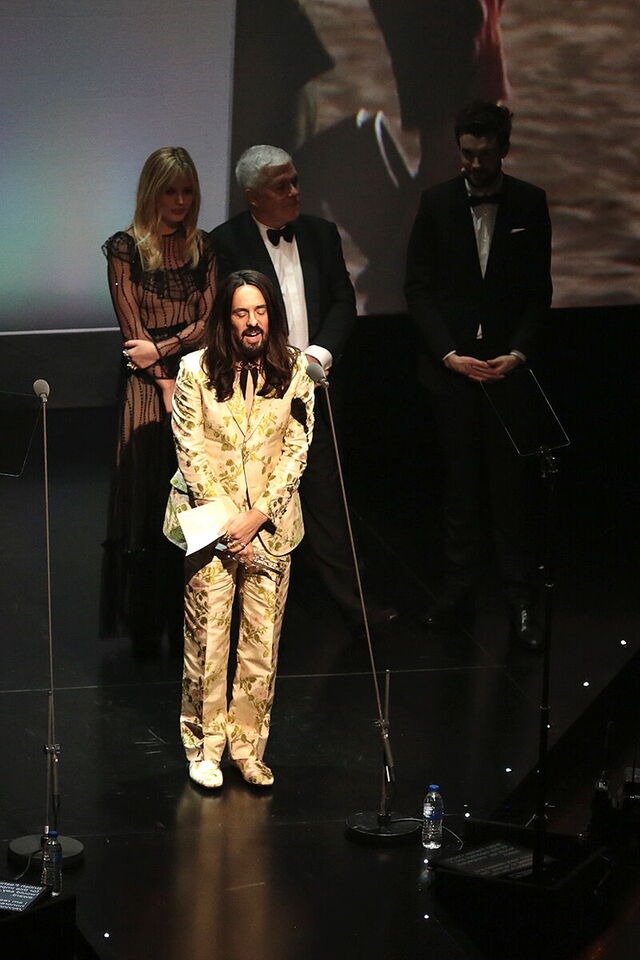
It is quite common now to read two different brand names combined with an “x” in between the two to signify a collaboration. Often a way to bring higher-end labels to high street price points in capsule collections or to inject some trendiness by bringing a young artist, designer, or brand in to work with a more established name. Italy leads the way with brands like Miu Miu, Gucci, and Moncler constantly teaming up with other exciting creatives...
Y is for Youthful Reinvention
Italy has long since been a key player in the fashion world and is home to fashion houses that have existed for decades and longer. These brands have garnered a reputation for luxury and loyal customers who have shopped with them for generations. However, no matter how established a brand may be, it is always necessary to gain a foothold in the next generation of shoppers and potential customers. As such, classic brands require youthful reinvention, alongside the production of lines of products that will appeal to preexisting fans. Gucci is a great example of this, where timeless luxury leather goods and other clothing staples are complemented by the new, eccentric, fashion-forward brand image of Creative Director Alessandro Michele, who has made the label a firm favourite among rappers, singers, actors, celebrities, and style stars with its newer streetwear-inspired influences, elaborate eye-catching shows, hand-picked influencers, and eclectic aesthetic.
Z is for Zannotti
Giuseppe Zanotti is an Italian luxury footwear and fashion designer most famous for his elaborate and striking sculptural and jewelled high heels and his luxury sneakers, though he also produces handbags, jewellery, and leather ready-to-wear. His is one of the key luxury footwear brands in Italy today.
So, after all of that you definitely have enough information to launch yourself fully into the world of Italian fashion and plenty to dwell on the next time you can go browse the luxury stores and fashion capitals of Italy!
It is quite common now to read two different brand names combined with an “x” in between the two to signify a collaboration. Often a way to bring higher-end labels to high street price points in capsule collections or to inject some trendiness by bringing a young artist, designer, or brand in to work with a more established name. Italy leads the way with brands like Miu Miu, Gucci, and Moncler constantly teaming up with other exciting creatives...
Y is for Youthful Reinvention
Italy has long since been a key player in the fashion world and is home to fashion houses that have existed for decades and longer. These brands have garnered a reputation for luxury and loyal customers who have shopped with them for generations. However, no matter how established a brand may be, it is always necessary to gain a foothold in the next generation of shoppers and potential customers. As such, classic brands require youthful reinvention, alongside the production of lines of products that will appeal to preexisting fans. Gucci is a great example of this, where timeless luxury leather goods and other clothing staples are complemented by the new, eccentric, fashion-forward brand image of Creative Director Alessandro Michele, who has made the label a firm favourite among rappers, singers, actors, celebrities, and style stars with its newer streetwear-inspired influences, elaborate eye-catching shows, hand-picked influencers, and eclectic aesthetic.
Z is for Zannotti
Giuseppe Zanotti is an Italian luxury footwear and fashion designer most famous for his elaborate and striking sculptural and jewelled high heels and his luxury sneakers, though he also produces handbags, jewellery, and leather ready-to-wear. His is one of the key luxury footwear brands in Italy today.
So, after all of that you definitely have enough information to launch yourself fully into the world of Italian fashion and plenty to dwell on the next time you can go browse the luxury stores and fashion capitals of Italy!
Photo credits
picture 3: Rhododendrites / CC BY-SA 4.0;
picture 7: Sailko / CC BY-SA 3.0;
picture 8: Walterlan Papetti / CC BY-SA 4.0
picture 3: Rhododendrites / CC BY-SA 4.0;
picture 7: Sailko / CC BY-SA 3.0;
picture 8: Walterlan Papetti / CC BY-SA 4.0