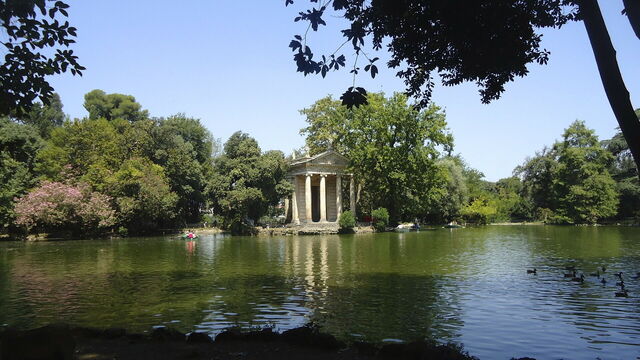
Rome is positively stuffed full of architectural gems, great artistic masterpieces, fascinating ruins, and museums overflowing with incredible objects to explore and browse and, if you have found a luxury villa in Rome, you will find that you have a rather endless list of things to see and do in the capital of Italy. However, for those interested in parks, gardens, garden design, plants, and peaceful strolls, there is one absolute must-see among these other compelling tourist attractions: the gardens of the impossibly lovely Villa Borghese.
The Villa Borghese is an architectural gem in its own right and is also home to a wonderful art museum, the Galleria Borghese, but the grounds on which it is located are also something rather special. The third largest park in the city, home to lots of wonderful architectural follies, and a wonderfully manicured space that is perfectly designed for wandering at your leisure, surrounded by the beauty of nature, in the midst of this ever-bustling city, it boasts a lot of boons and attractions all in one location.
The Villa Borghese is an architectural gem in its own right and is also home to a wonderful art museum, the Galleria Borghese, but the grounds on which it is located are also something rather special. The third largest park in the city, home to lots of wonderful architectural follies, and a wonderfully manicured space that is perfectly designed for wandering at your leisure, surrounded by the beauty of nature, in the midst of this ever-bustling city, it boasts a lot of boons and attractions all in one location.
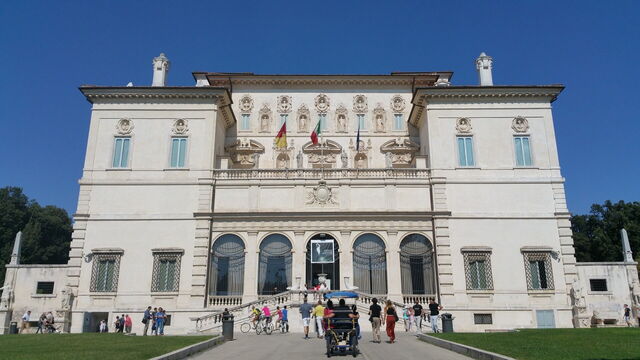
In the 16th century, the land on which the Villa Borghese would be built was occupied by a sprawling vineyard. That was until the Cardinal Scipione Caffarelli Borghese, favoured nephew of the pope and a member of the incredibly powerful and wealthy Borghese family (a family of important patrons and art collectors), decided to build a villa on the land. Begun in 1607 under Flaminio Ponzio and then completed by Giovanni Vasanzio, the villa is a traditional suburban villa that follows sixteenth-century models and the likes of Villa Farnesina alla Lungara and the Villa Medici al Pincio. It was further complemented by additional buildings on the grounds including the Aviary (1616-1619) and by the eventual creation of those stunning and elaborate gardens that surround, which were added in 1620.
The gardens were designed by the cardinal in conjunction with the landscape architect Domenico Savino da Montepulciano, who worked alongside the initial architect of the villa, and these impressive grounds sprawl over a whopping 200 acres. In addition to the Villa Borghese, the gardens are also home to other historic villas, several museums, a zoo, other monuments and architectural gems, lakes, and incredible manicured spaces. Changed in the 19th century to reflect the English taste in landscaping, the gardens now more closely reflect this style and have been somewhat altered and updated throughout the centuries.
The gardens were designed by the cardinal in conjunction with the landscape architect Domenico Savino da Montepulciano, who worked alongside the initial architect of the villa, and these impressive grounds sprawl over a whopping 200 acres. In addition to the Villa Borghese, the gardens are also home to other historic villas, several museums, a zoo, other monuments and architectural gems, lakes, and incredible manicured spaces. Changed in the 19th century to reflect the English taste in landscaping, the gardens now more closely reflect this style and have been somewhat altered and updated throughout the centuries.

Though the Villa Borghese Gardens were long informally open to the public, they were officially opened to the masses after being bought from the Borghese family by the commune of Rome in 1903. And, while the various museums, institutions, and tourist attractions located on the grounds require different entrance fees to enter them, visitors are free to wander the gardens themselves without cost, which is always nice in a city like Rome where you have plenty of other attractions and things to spend your money on.
There are two points of access to the gardens with the Spanish Steps leading to one and another at the Porte del Popolo by the Piazza del Popolo. Open from sunrise to sunset, it is a wonderful place to come and wander around, take a break from the hustle and bustle of the city, and to enjoy some stunning natural surroundings if you have found a luxury villa in Rome and are spending time in this part of Italy. Take in the trees, the flowerbeds, the sculptures, the fountains, the fruit trees and exotic plants, the shaped hedges, the lakes, the horses, the woods, and the wonderful views: with the Pincio Hill in the southern part of the park boasting one of the best views over Rome that there is.
There are two points of access to the gardens with the Spanish Steps leading to one and another at the Porte del Popolo by the Piazza del Popolo. Open from sunrise to sunset, it is a wonderful place to come and wander around, take a break from the hustle and bustle of the city, and to enjoy some stunning natural surroundings if you have found a luxury villa in Rome and are spending time in this part of Italy. Take in the trees, the flowerbeds, the sculptures, the fountains, the fruit trees and exotic plants, the shaped hedges, the lakes, the horses, the woods, and the wonderful views: with the Pincio Hill in the southern part of the park boasting one of the best views over Rome that there is.