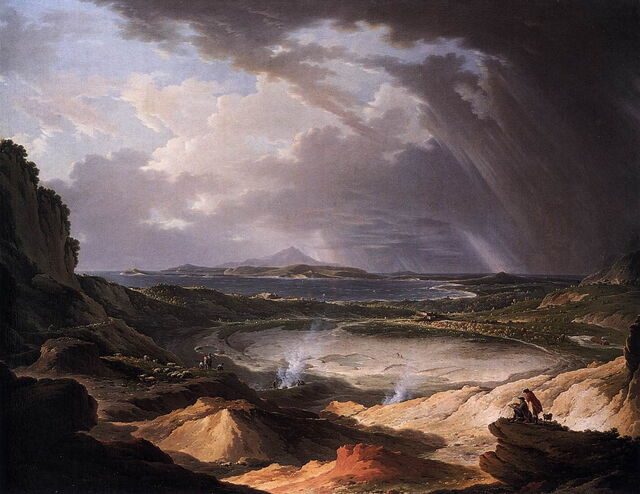
The Phlegraean Fields or Campi Flegrei is an area that encompasses land all along the west of Naples, by the bay. The name means “burning fields” and comes from the fact that the area often smokes and sizzles in a remarkably dramatic and hellish way. This area is volcanic in nature and, while none are technically active, there is plenty of seismic activity in the area and it has been hugely affected by its volcanic history.
Vesuvius may be the only active volcano in continental Europe but the Phlegraean Fields' Solfatara is a good place to see some of the effects of volcanism up close. Here you can actually go inside the crater and see its fumaroles (steam vents), boiling mud and ground that's hot to the touch. Solfatara is, in fact, just one of the extraordinary sights that the Phlegraean Fields has to offer and really has to be seen to believe. If you feel like getting in touch with Dante on your next trip to Italy, just find a holiday rental in Campania and see what the Inferno might just look like.
Vesuvius may be the only active volcano in continental Europe but the Phlegraean Fields' Solfatara is a good place to see some of the effects of volcanism up close. Here you can actually go inside the crater and see its fumaroles (steam vents), boiling mud and ground that's hot to the touch. Solfatara is, in fact, just one of the extraordinary sights that the Phlegraean Fields has to offer and really has to be seen to believe. If you feel like getting in touch with Dante on your next trip to Italy, just find a holiday rental in Campania and see what the Inferno might just look like.
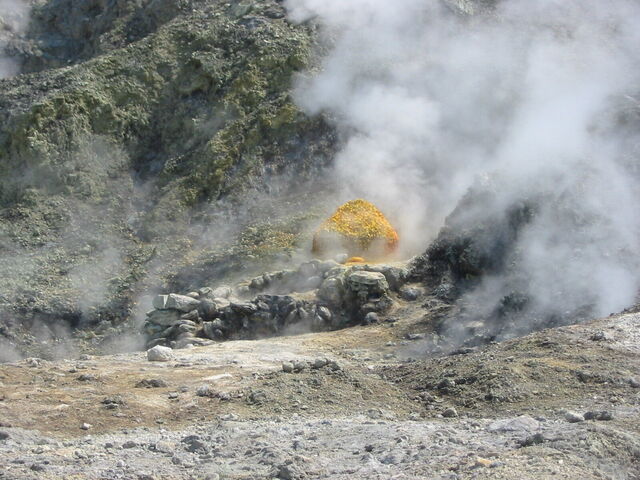
The original volcanic blast that created the giant volcanic caldera that is the Phlegraean Fields is estimated to have occurred about 37,000 years ago. Most of the land is now at sea level, though some is submerged in the Bay of Naples and is dotted by steaming fumaroles and boiling mud.
Another particularly fascinating volcanic sight in the area is the Lago d'Averno. The name comes from the Greek, meaning "lake of no birds" and it was so named as the sulfurous fumes rising from the lake were believed to be fatal to birds.
It was even once thought to be the entrance to hell is said to be where Aeneas encountered the ferryman Charon and crossed the Styx into Hades to meet the spirit of his father in the Aeneid. This is also where the Sibyl's Grotto is located, which was supposedly the actual entrance to the underworld.
Another particularly fascinating volcanic sight in the area is the Lago d'Averno. The name comes from the Greek, meaning "lake of no birds" and it was so named as the sulfurous fumes rising from the lake were believed to be fatal to birds.
It was even once thought to be the entrance to hell is said to be where Aeneas encountered the ferryman Charon and crossed the Styx into Hades to meet the spirit of his father in the Aeneid. This is also where the Sibyl's Grotto is located, which was supposedly the actual entrance to the underworld.
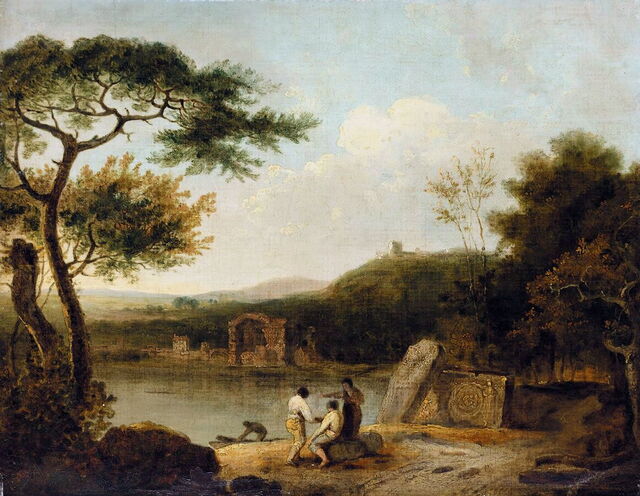
Today, the volcanic activity of the Phlegraean Fields is monitored by the Vesuvius Observatory, the oldest volcanology research centre in the world and many parts of the area are very popular tourist destinations, which makes sense as there is much to see and do.
Between the natural wonders, mythological locations and historical sites such as Baia, there is a wealth of both manmade and natural attractions that are fascinating must-sees.
If you are visiting this part of Italy, make a point to take a tour or make some excursions out to these amazing sights.
Between the natural wonders, mythological locations and historical sites such as Baia, there is a wealth of both manmade and natural attractions that are fascinating must-sees.
If you are visiting this part of Italy, make a point to take a tour or make some excursions out to these amazing sights.
Photo credits
Picture 2: Donar Reiskoffer / CC BY-SA 3.0
Picture 2: Donar Reiskoffer / CC BY-SA 3.0