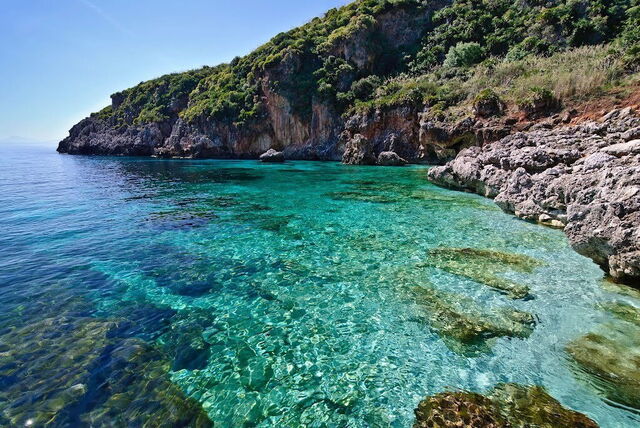
Sicily is an exceptionally beautiful place, this is a well-known fact. The pace of life, blue skies, charming villages, rich historical sites, rugged coast and crystal clear seas are all celebrated features of the island and its natural beauty is well-regarded. However, the most stunning scenery on the island is found in the Lo Zingaro Nature Reserve. Created in 1981 as the first nature reserve on the island, it is located West of Palermo, just after Castellammare del Golfo.
Here the rugged coastline is at its most spectacular and has been shaped by the sea, creating coves, grottos and sculptures in the hard limestone cliffs. Stretching 7km along the coast between the lovely little village of Scopello in the east to near San Vito Lo Capo in the west, it covers more than 1600 hectares and is an unspoiled, natural stunner with plenty to see and do and beaches plucked right from your dreams.
Here the rugged coastline is at its most spectacular and has been shaped by the sea, creating coves, grottos and sculptures in the hard limestone cliffs. Stretching 7km along the coast between the lovely little village of Scopello in the east to near San Vito Lo Capo in the west, it covers more than 1600 hectares and is an unspoiled, natural stunner with plenty to see and do and beaches plucked right from your dreams.
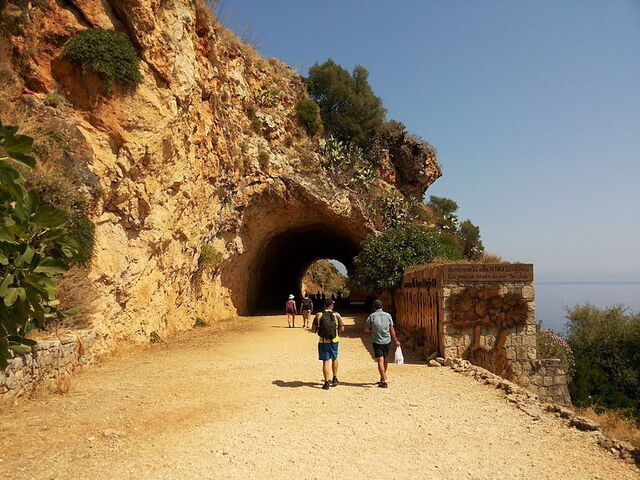
Once you have found a luxury villa in Sicily, this is one spot you won't want to miss.
At first glance, the park can look a little bare or stark but it is actually home to a great variety of fauna and flora, in particular, with over 650 different species surviving in the humid microclimate such as dwarf palms, colourful wildflowers that blanket the hills, sea lavender, crocuses, anemones, irises and various kinds of orchid.
Birds are also plentiful and many bird watchers and ornithologists come to see the eagles, peregrine falcons, partridges, kestrels, various kinds of owl and sea birds.
Animals that live in the area include weasels, hedgehogs, foxes, lizards and even the odd, harmless, viper.
At first glance, the park can look a little bare or stark but it is actually home to a great variety of fauna and flora, in particular, with over 650 different species surviving in the humid microclimate such as dwarf palms, colourful wildflowers that blanket the hills, sea lavender, crocuses, anemones, irises and various kinds of orchid.
Birds are also plentiful and many bird watchers and ornithologists come to see the eagles, peregrine falcons, partridges, kestrels, various kinds of owl and sea birds.
Animals that live in the area include weasels, hedgehogs, foxes, lizards and even the odd, harmless, viper.
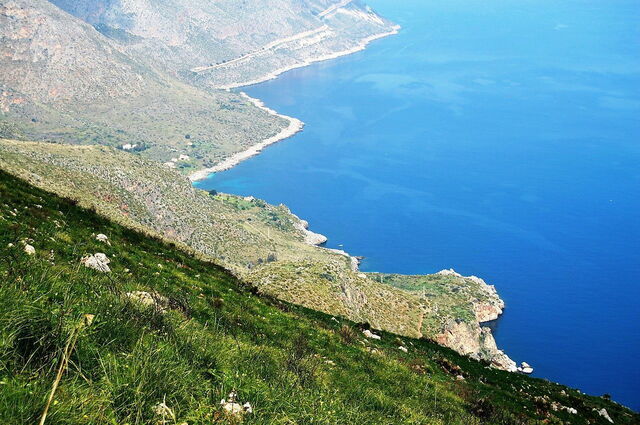
The park is also the perfect place for hiking and swimming. You'll find plenty of pretty trails of varying difficulty levels that offer amazing views and glimpses of the wildlife and there are beautiful beaches at every turn. In summer, when many beaches in the area are overcrowded, savvy beach-goers head to Lo Zingaro, walk for half an hour and spend the rest of the day in relative isolation on one of the stunning, virtually deserted beaches in the park. The majestic cliffs of Lo Zingaro are footed by many pocket-sized bays with white pebbles and transparent turquoise water are as lovely as you can find in the Mediterranean. Punta della Capreria is the first and as a result the most popular beach while successive beaches at Cala della Disa, Berretta, Marinella and Torre dell’Uzzo are naturally quieter.
If you are visiting this part of Italy during the high season, the park really does offer the perfect solution to the tourist crowds found on other stretches of the coast.
If you are visiting this part of Italy during the high season, the park really does offer the perfect solution to the tourist crowds found on other stretches of the coast.
Photo credits
Picture 1: sikeliakali / CC BY 2.0;
Picture 2: Daniele Pugliesi / CC BY-SA 4.0;
Picture 3: Esculapio / CC BY-SA 2.5
Picture 1: sikeliakali / CC BY 2.0;
Picture 2: Daniele Pugliesi / CC BY-SA 4.0;
Picture 3: Esculapio / CC BY-SA 2.5