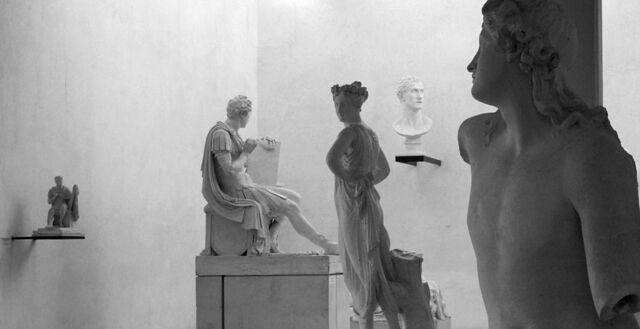
Canova is a name familiar to any great art-lovers or those interested in the neoclassical period. He is known today as one of the greatest artists of the period and was a leading light during his own time. Although his fame and presence in the popular mindset may not be as completely cemented as Michelangelo or da Vinci most are likely to have seen his iconic works before. In particular, works such as his “Cupid” often appear in the backgrounds of movies or television shows, in art-books and generally in everyday imagery.
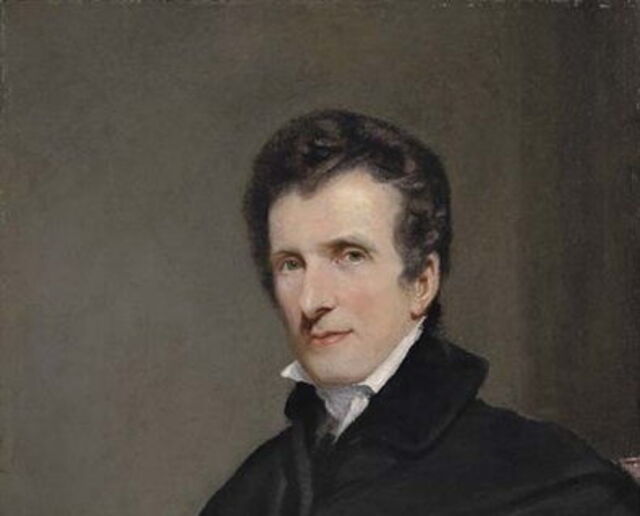
However, there is much more to his work than one or two pieces. If you want to learn more about this fascinating artist, why not find a holiday rental in Veneto and visit the Museo Canova in Possagno?
The Museo Canova is a typical 17th century Venetian building in the town of Possagno in the province of Treviso. It was designed and altered in 1836, fourteen years after his death, by Francesco Lazzari, according to the will of the artist’s step-brother, Giovanni Battista Sartori. The basis of the original collection coming directly from Canova's Roman studio, it was then transferred to the purpose-built space as a museum to the artist.
The Museo Canova is a typical 17th century Venetian building in the town of Possagno in the province of Treviso. It was designed and altered in 1836, fourteen years after his death, by Francesco Lazzari, according to the will of the artist’s step-brother, Giovanni Battista Sartori. The basis of the original collection coming directly from Canova's Roman studio, it was then transferred to the purpose-built space as a museum to the artist.
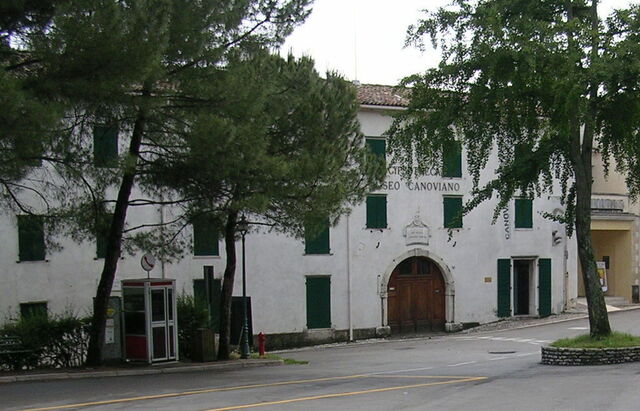
Here, Canova's paintings, terracotta preliminary models and drawings are displayed giving you a glimpse into his life and the painstakingly detailed method he used; translating ideas from paper to marble, passing through clay and plaster.
Museo Canova is divided into different areas: the private quarters, laboratory, gallery and modern wing. The older parts of the house even feature some of the artist's original furniture. The gallery, 19th-century gypsotheque, is a neoclassical barrel-vaulted space which holds most of the plaster cast models which the artist made for various works and commissions.
The modern wing was designed by Italian architect Carlo Scarpa in 1957 and was thoughtfully and carefully integrated into the older building. This section houses a variety of different objects including a collection of terracotta sketches and plaster models, some of were never actually completed and some which were lost or destroyed, including a statue of George Washington.
For any fans of the artist or those with a love for sculpture, this is a must-see. Canova's striking and graceful works provide the perfect opportunity for a pleasant afternoon of wandering around, admiring his skill and getting quietly lost in your own thoughts – what could be more relaxing on your next holiday to Veneto?
Museo Canova is divided into different areas: the private quarters, laboratory, gallery and modern wing. The older parts of the house even feature some of the artist's original furniture. The gallery, 19th-century gypsotheque, is a neoclassical barrel-vaulted space which holds most of the plaster cast models which the artist made for various works and commissions.
The modern wing was designed by Italian architect Carlo Scarpa in 1957 and was thoughtfully and carefully integrated into the older building. This section houses a variety of different objects including a collection of terracotta sketches and plaster models, some of were never actually completed and some which were lost or destroyed, including a statue of George Washington.
For any fans of the artist or those with a love for sculpture, this is a must-see. Canova's striking and graceful works provide the perfect opportunity for a pleasant afternoon of wandering around, admiring his skill and getting quietly lost in your own thoughts – what could be more relaxing on your next holiday to Veneto?
Photo credits
picture 1: seier+seier / CC BY 2.0;
picture 3: Caracas1830 / CC BY-SA 2.5
picture 1: seier+seier / CC BY 2.0;
picture 3: Caracas1830 / CC BY-SA 2.5