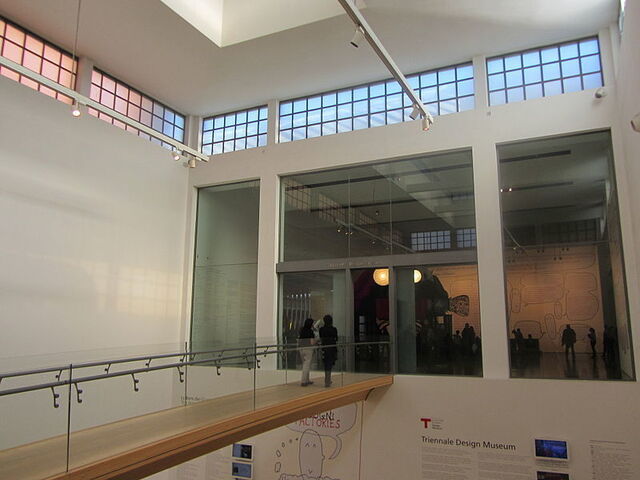
The Triennale di Milano is a cutting-edge centre for contemporary art, architecture and design. It constantly houses exciting temporary exhibitions and has displayed retrospective exhibitions on major artists like Keith Haring and Roy Lichtenstein and designer brands like Giorgio Armani and Louis Vuitton in the past. The Triennale is housed in a building which was built by Giovanni Muzio in 1923 and is located at the edge of the Parco Sempione in Milan. The name, “Triennale”, means “every three years” and the building's original purpose was to host the international exhibition on decorative arts, industrial arts and modern architecture, held every 3 years in Milan.
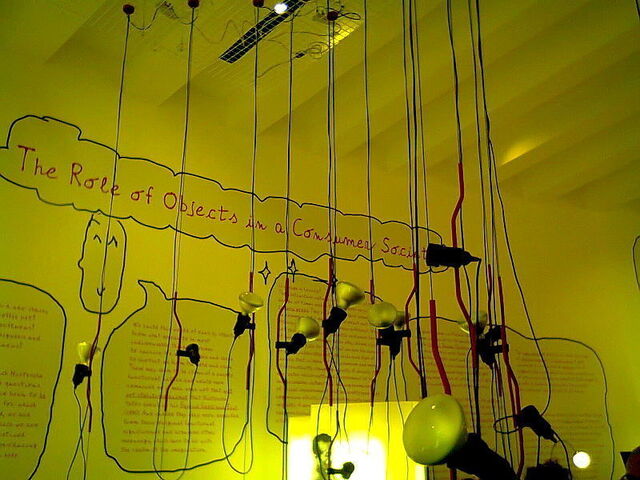
Now it is much more than that and houses a permanent, if ever-changing, museum and theatre. If you want to visit this extraordinary museum, it's the perfect time right now so why not find a holiday rental in Milan and see it for yourself?
The first Triennale in Italy took place in 1923 in Monza. It was established in order to promote interest in Italian design and applied arts. Opened in 2007, the Triennale Design Museum is the first of its kind in Italy. It is a highly interactive space and this allows all visitors to experience and learn about design in engaging, interesting and easy ways.
The first Triennale in Italy took place in 1923 in Monza. It was established in order to promote interest in Italian design and applied arts. Opened in 2007, the Triennale Design Museum is the first of its kind in Italy. It is a highly interactive space and this allows all visitors to experience and learn about design in engaging, interesting and easy ways.
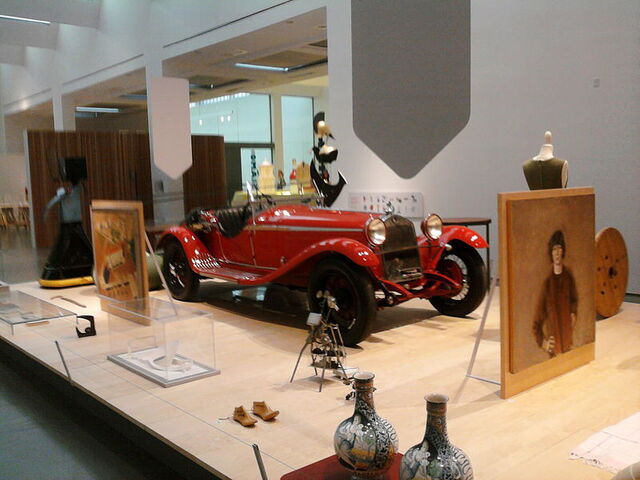
A permanent design museum is located on the first floor and the rest of the museum is used to house the temporary, themed exhibitions. This year, the exhibition, “Arts & Foods. Rituals since 1851”, will be taking place from April 9 to November 1, 2015. The exhibition is inspired by the theme of the EXPO 2015 which is happening in Milan this year - “Feeding the Planet, Energy for Life”.
With their exhibition the Triennale aims to explore the complex relationship between food, its rituals and different means of artistic expression from 1851, the year of the first World Exposition in London, right up to the present day.
The exhibition is divided into three parts, each housed in a different gallery. The first, inside the “Curva” gallery, spans a period from the first World Exposition in London up to the post-war era and includes works of art from 19th century figurative paintings to works of early-20th century abstract movements. The second part is housed in the “Aulenti” Gallery and covers the period from the 1950s to the 1970s. The final section, in the “Cube” gallery encompasses the period from the 1970s to the present.
Including works such as giant inflatable ketchup bottles and houses made from bread, it's an outstanding and exciting exhibition that people of all ages can enjoy. If you're visiting Milan this summer, be sure to stop by!
With their exhibition the Triennale aims to explore the complex relationship between food, its rituals and different means of artistic expression from 1851, the year of the first World Exposition in London, right up to the present day.
The exhibition is divided into three parts, each housed in a different gallery. The first, inside the “Curva” gallery, spans a period from the first World Exposition in London up to the post-war era and includes works of art from 19th century figurative paintings to works of early-20th century abstract movements. The second part is housed in the “Aulenti” Gallery and covers the period from the 1950s to the 1970s. The final section, in the “Cube” gallery encompasses the period from the 1970s to the present.
Including works such as giant inflatable ketchup bottles and houses made from bread, it's an outstanding and exciting exhibition that people of all ages can enjoy. If you're visiting Milan this summer, be sure to stop by!
Photo credits
picture 1: Pava / CC BY-SA 3.0;
picture 2: Pava / CC BY-SA 3.0;
picture 3: Andrea Pavanello / CC BY-SA 3.0
picture 1: Pava / CC BY-SA 3.0;
picture 2: Pava / CC BY-SA 3.0;
picture 3: Andrea Pavanello / CC BY-SA 3.0